Siberian Huskies are known for their friendly, outgoing nature, but like all dogs, they may bite strangers if not properly trained. Biting can stem from fear, excitement, playfulness, or lack of socialization. This comprehensive guide will walk you through effective techniques to teach your Husky to greet people calmly and refrain from biting.
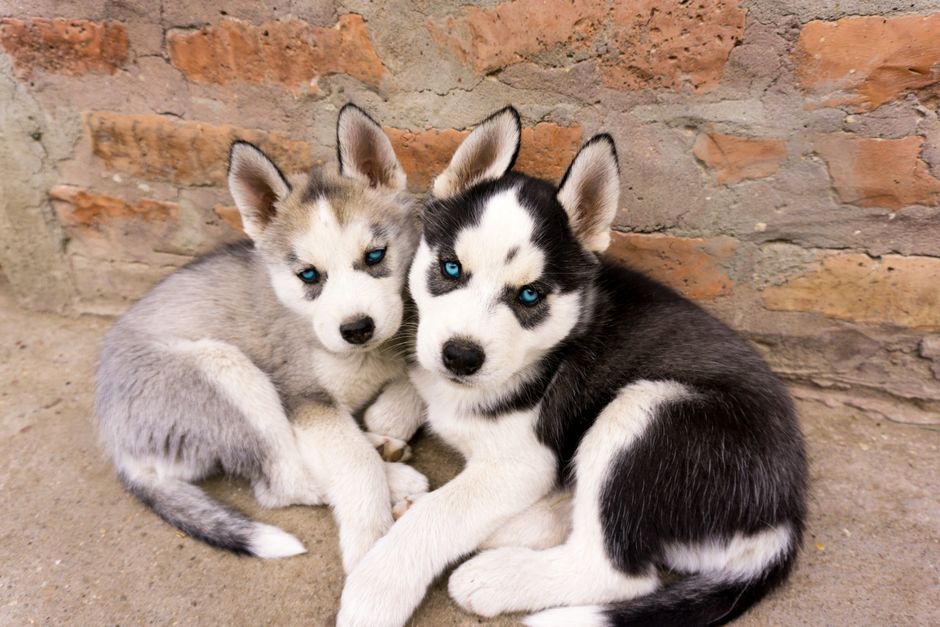
Understanding Why Huskies Bite
To address biting, it's crucial to understand its root causes:
- Play Biting (Mouthing): Puppies explore the world with their mouths and often mouth hands during play. This is normal but must be managed.
- Fear or Anxiety: A Husky that feels threatened may bite to defend itself. Early negative experiences with strangers can trigger this.
- Excitement: Some Huskies get so excited when meeting new people that they jump and nip.
- Lack of Socialization: Puppies not exposed to various people, places, and sounds may become fearful of strangers.
- Herding Instinct: While not strong in Huskies, some may nip at heels in an attempt to herd.
The Importance of Early Socialization
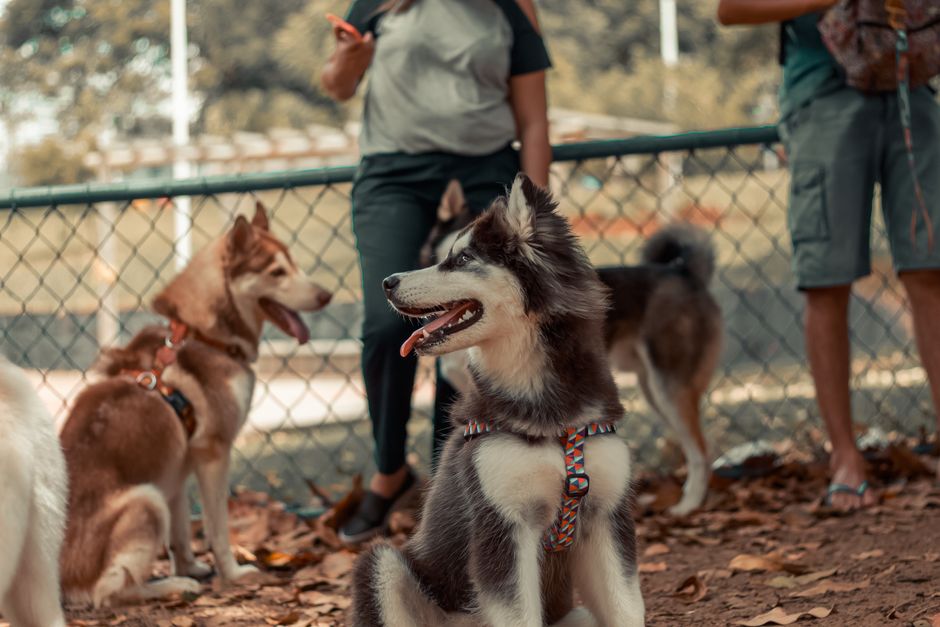
Socialization is the foundation of a well-behaved Husky. Introduce your puppy to a wide range of friendly strangers of different ages, appearances, and behaviors. Use positive reinforcement – offer treats and praise when your puppy remains calm. Attend puppy classes, visit parks, and invite guests home. The goal is for your Husky to associate strangers with good things, not fear.
Training Techniques to Stop Biting
Teach Bite Inhibition
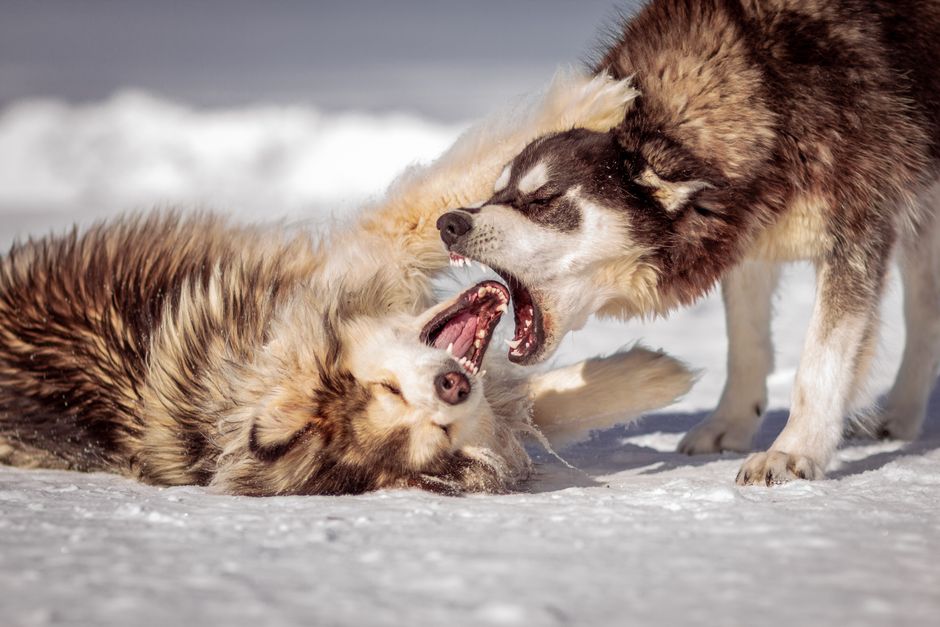
During play, if your Husky bites too hard, let out a high-pitched yelp and stop the interaction. This mimics what littermates would do. Resume play after a few seconds. Gradually, your Husky will learn to control the force of its mouth.
Redirect to Toys
When your Husky tries to mouth your hands or strangers' hands, immediately offer a toy or chew bone. This teaches an appropriate outlet for mouthing. Keep toys handy during greetings.
Use Commands like "Leave It" or "No Bite"
Teach "leave it" by holding a treat in your closed fist. Say "leave it" and wait until your dog stops sniffing/licking. Then open your hand and give the treat. Practice with distractions. Similarly, a firm "no bite" command followed by turning away can work.
Reward Calm Behavior
Reinforce calm greetings. When a stranger approaches, have your Husky sit and stay. Reward with treats if it remains calm. If it tries to jump or bite, ignore and ask the stranger to walk away. Consistency is key.
Step-by-Step Training Plan
- Desensitization to Strangers: Start with a friend your Husky doesn't know well. Have the friend stand at a distance where your Husky notices but doesn't react. Toss treats for calm behavior. Gradually decrease distance.
- Controlled Greetings: Use a leash and harness. Ask the stranger to approach slowly, offering treats. If your Husky stays calm, allow a gentle pet. If it shows signs of stress or tries to bite, increase distance.
- Muzzle Training (if needed): For safety, especially with adult dogs that have a biting history, introduce a basket muzzle. Pair it with positive experiences (treats, walks). Never leave it on unsupervised.
Common Mistakes to Avoid
- Punishment: Yelling, hitting, or alpha rolls increase fear and can escalate aggression.
- Ignoring the Underlying Issue: Biting often stems from anxiety. Address the root cause rather than just the symptom.
- Inconsistency: Every family member must follow the same rules. Mixed signals confuse the dog.
- Rushing: Training takes time. Progress may be slow; be patient.
When to Seek Professional Help
If your Husky shows signs of genuine aggression (growling, snapping, hard bites that break skin), consult a certified dog behaviorist or trainer. Puppy biting usually resolves with training, but adult aggression requires expert intervention. Also seek help if your Husky is fearful or has a history of trauma.
Conclusion
Training your Siberian Husky not to bite strangers is achievable with patience, consistency, and positive reinforcement. Focus on early socialization, teach bite inhibition, and reward calm behavior. Avoid punishment and address any underlying fears. With time and effort, your Husky will become a well-mannered companion who greets strangers with a wagging tail, not a biting mouth.