Why Huskies Struggle to Sleep Alone
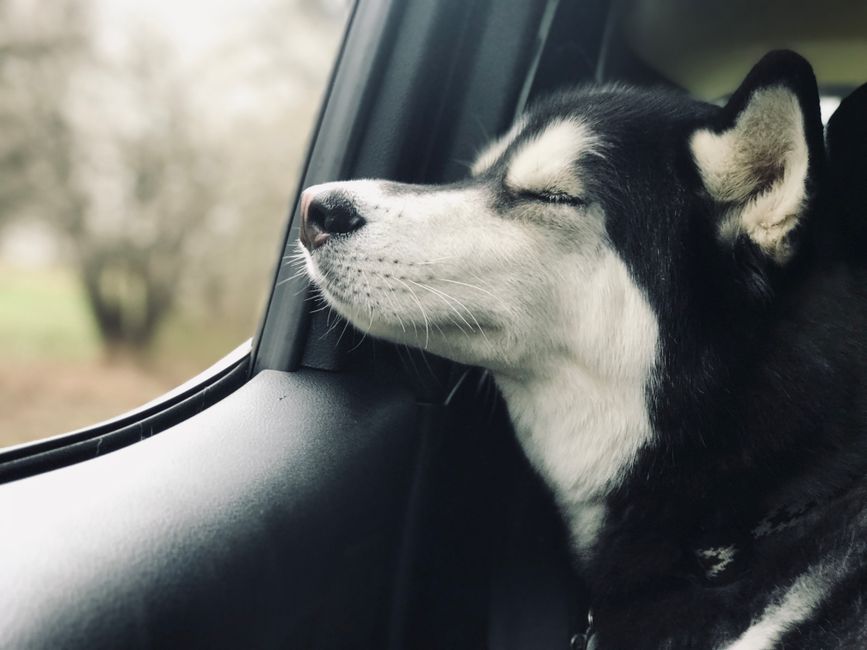
Siberian Huskies are pack animals by nature, bred to work and live closely with other dogs and humans. This deep-rooted pack mentality means they often experience separation anxiety when left alone, especially at night. Understanding this instinct is the first step in successfully training your Husky to sleep alone. Without addressing their emotional needs, any training method will fall short.
Step 1: Create a Safe and Comfortable Sleeping Space
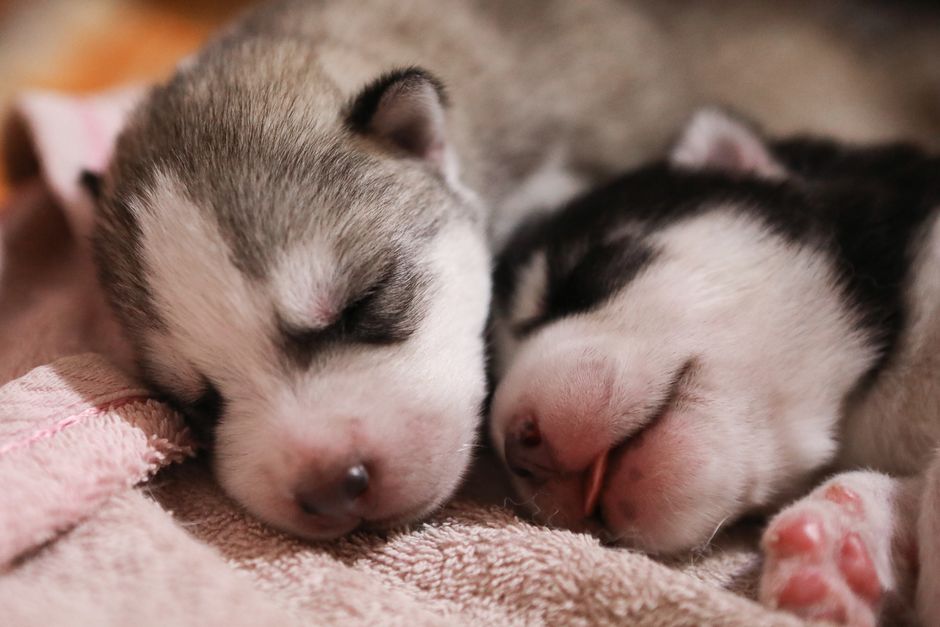
Your Husky needs a designated sleeping area that feels secure and cozy. A crate can be an excellent tool, as it mimics a den. Choose a crate large enough for your Husky to stand, turn around, and lie down comfortably. Line it with soft bedding and add a worn piece of your clothing to provide comfort through scent. Place the crate in a quiet, temperature-controlled room away from household traffic.
Crate Training Fundamentals
Introduce the crate gradually. Start by leaving the door open and tossing treats inside. Feed your Husky meals near the crate, then inside with the door open. Once your dog voluntarily enters, close the door for a few seconds while giving treats, then gradually increase the duration. Never use the crate as punishment.
Step 2: Establish a Consistent Bedtime Routine
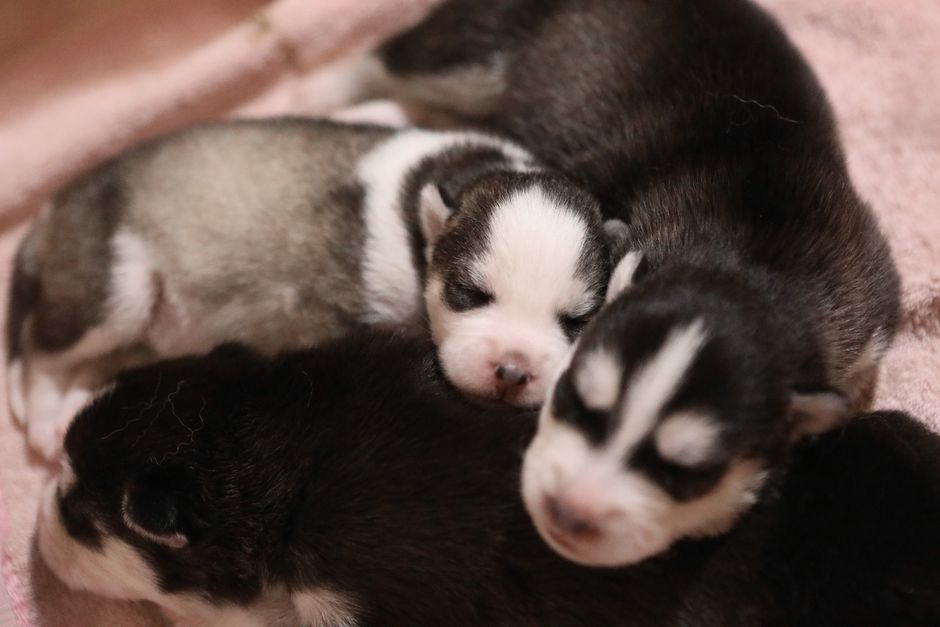
Huskies thrive on routine. A predictable sequence of events signals that it's time to wind down. A good bedtime routine might include a final potty break, a short walk or play session, a calming activity like gentle brushing, and then settling into the sleeping area. Keep interactions calm and quiet to avoid overstimulation.
The Power of Exercise
A tired Husky is more likely to sleep alone contentedly. Ensure your dog gets at least 60–90 minutes of vigorous exercise daily, split into at least two sessions. A long walk, run, or play session in the evening helps burn off excess energy that could otherwise fuel anxiety.
Step 3: Gradual Desensitization to Alone Time
Start by leaving your Husky alone in the sleeping area for very short periods while you are still home. Begin with 1–2 minutes, then gradually increase the time. Use interactive toys, like a frozen Kong stuffed with peanut butter or a puzzle feeder, to keep your dog occupied. Return before your Husky becomes anxious, and always reward calm behavior.
Practice During the Day
Incorporate short separation sessions during the day. Confine your Husky to the designated sleep area and leave the room for a few minutes. Return quietly and reward calmness. This builds your dog's confidence that you will come back.
Step 4: Address Separation Anxiety Head-On
If your Husky whines, howls, or destroys property when left alone at night, they may have separation anxiety. Counter-conditioning can help: associate your absence with positive experiences. For example, give a special treat only when you leave the room at night. Gradually increase the time you are away. For severe cases, consult a professional trainer or veterinary behaviorist. Never punish anxiety-related behavior – it only increases fear.
Calming Aids and Tools
Consider natural calming aids like pheromone diffusers (Adaptil), calming chews containing L-theanine or chamomile, or a thunder shirt that provides gentle pressure. White noise machines or classical music can mask household sounds and soothe your Husky. Always introduce new aids gradually and monitor your dog's response.
Step 5: Nighttime Training Protocol
Phase 1: Sleep in the same room but in separate beds. Place your Husky's crate or bed next to your bed. This provides closeness while establishing independent sleeping. Phase 2: Gradually move the bed further away each night, toward the desired location. Phase 3: Once your Husky sleeps calmly in the new spot, start leaving the room for brief periods during nighttime. Return before whining starts and reward calmness. Phase 4: Close the door and stay out of the room for increasing durations. Use a baby monitor to check on your dog.
Potential Challenges and Solutions
| Challenge | Solution |
|---|---|
| Whining or barking all night | Ensure needs are met (potty, exercise). Ignore attention-seeking whining; reward quiet moments. Use a white noise machine. |
| Destructive behavior while alone | Increase exercise and mental stimulation. Use durable chew toys. Consider a crate or blocked-off area. |
| Refusing to enter the sleeping area | Make the area more inviting with high-value treats and toys. Feed meals there. Never force entry. |
| Regression after progress | Reinforce routine and go back a step. Check for changes in health or environment. |
Conclusion
Training a Siberian Husky to sleep alone requires patience, consistency, and an understanding of their pack instincts. By creating a secure environment, establishing a calming routine, and gradually desensitizing your dog to alone time, you can help your Husky feel safe and content sleeping independently. Remember, every dog progresses at its own pace – celebrate small victories and seek professional help if needed. With time and positive reinforcement, peaceful nights are achievable for both you and your Husky.