Huskies are intelligent, independent, and energetic dogs that thrive on structure and routine. Without a proper training schedule, their stubborn streak can lead to behavioral issues. This comprehensive guide provides an optimal husky training schedule tailored to their unique temperament, ensuring success in obedience, socialization, and mental stimulation.
Understanding the Husky Mindset
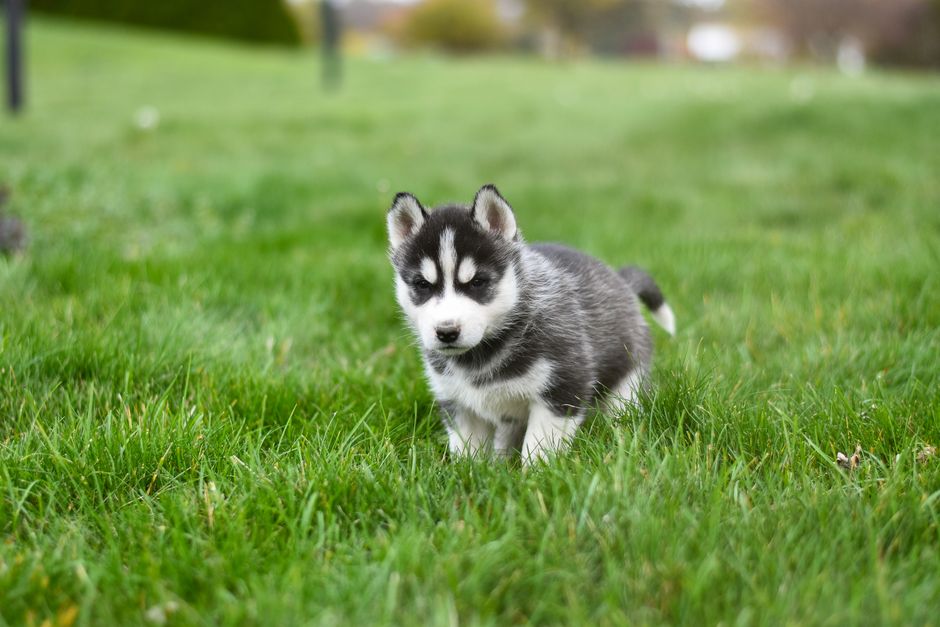
Before diving into a schedule, it's crucial to understand how a husky thinks. Bred for endurance and teamwork in harsh Arctic conditions, huskies are pack-oriented but also highly independent. They are not naturally eager to please like retrievers; instead, they respect leaders who are consistent, fair, and engaging. Training must be fun, varied, and reward-based to hold their attention.
Key Traits
- Intelligence: Huskies learn quickly but get bored easily.
- Stubbornness: They may ignore commands if they see no benefit.
- High Energy: Physical and mental exercise is non-negotiable.
- Social Nature: They love interaction and can suffer from separation anxiety.
The Core Principles of Husky Training
To build an effective schedule, adhere to these principles:
Consistency is Key
Use the same cues, rewards, and rules every time. If you allow jumping on the sofa sometimes but not others, your husky will be confused. Consistency across family members is equally important.
Positive Reinforcement
Huskies respond best to treats, praise, and play. Punishment or harsh corrections can damage trust and lead to defiance. Reward desired behaviors immediately.
Short and Engaging Sessions
Huskies have short attention spans. Keep training sessions to 5-10 minutes for puppies and 15-20 minutes for adults. End on a positive note with a command they know well.
Puppy Training Schedule (8-16 Weeks)
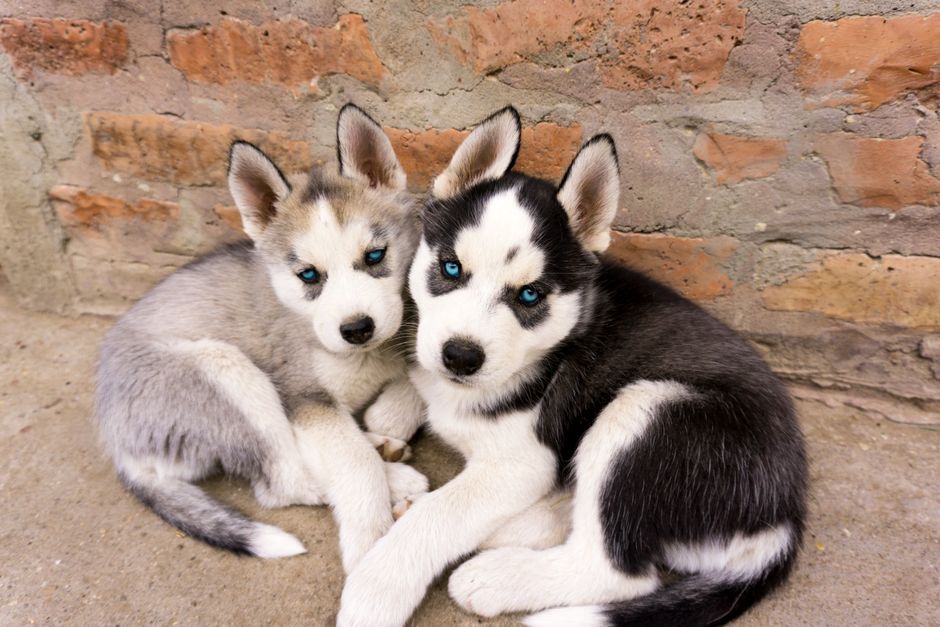
Early socialization and basic manners lay the foundation. Focus on bonding, house training, and simple commands.
| Age | Focus Area | Duration | Tips |
|---|---|---|---|
| 8-10 weeks | House training, name recognition | 5 min, 3-4x daily | Take outside every 2 hours; reward immediately after elimination. |
| 10-12 weeks | Sit, Down, Come (with lure) | 5-10 min, 3x daily | Use high-value treats; keep sessions fun. |
| 12-16 weeks | Loose leash walking, socialization | 10 min, 2-3x daily | Introduce different environments, people, and calm dogs. |
During this period, avoid over-exercising to protect growing joints. Mental stimulation through puzzle toys and gentle handling is excellent.
Adolescent Training (4-12 Months)
As your husky grows, their independence may increase. This is the time to solidify commands and introduce more structured activities.
Leash Training
Huskies love to pull. Teach loose-leash walking by stopping when the leash tightens and rewarding when it slackens. Use a front-clip harness for better control. Practice in low-distraction areas first.
Basic Commands
Reinforce Sit, Down, Stay, and Come. For Stay, gradually increase distance and duration. The 'Leave It' command is crucial for safety, as huskies may chase small animals.
Crate Training
Make the crate a safe haven. Feed meals inside, provide treats, and never use it for punishment. A well-crated husky is less anxious when home alone.
Advanced Training for Adult Huskies (1+ Year)
Once basic obedience is solid, challenge your husky with advanced skills.
Off-Leash Recall
This is difficult for huskies due to their prey drive. Build a rock-solid 'Come' using a long line and high-value rewards. Practice in fenced areas only.
Mental Stimulation Games
Huskies excel at problem-solving. Try nose work, hide-and-seek with toys, or interactive puzzles. This tires them mentally more than physical exercise.
Agility or Sledding
For active huskies, agility courses or dryland sledding (bikejoring, canicross) provide an outlet for their natural pulling instincts. Join local clubs for guided training.
Common Training Challenges and Solutions
Stubbornness
If your husky ignores a command, they may be bored or overstimulated. Change the environment, lower expectations, or use higher-value treats. Never repeat a command more than three times; instead, go back a step.
Escape Artists
Huskies are notorious diggers and jumpers. Ensure fences are at least 6 feet high and buried a foot underground. Provide plenty of exercise to reduce escape attempts.
Excessive Barking or Howling
Huskies are vocal. To curb excessive noise, teach 'Quiet' by rewarding silence. Address underlying boredom or anxiety with more enrichment.
Sample Weekly Training Schedule
Below is a sample schedule for an adult husky (adjust duration for puppies). Balance obedience, exercise, and play.
| Day | Morning | Afternoon | Evening |
|---|---|---|---|
| Monday | 15 min obedience (Sit, Stay, Come) | 30 min walk + 10 min fetch | 10 min loose leash walking |
| Tuesday | 10 min crate training + puzzle toy | 45 min hike / jog | 15 min trick training (spin, shake) |
| Wednesday | 20 min nose work (hide treats) | 30 min playdate with calm dog | 10 min recall practice |
| Thursday | 15 min agility drills (tunnels, jumps) | 30 min walk + 10 min tug | Review Leave It and Drop It |
| Friday | 10 min socialization at park | 45 min bikejoring or power walking | 15 min loose leash in new location |
| Saturday | 20 min advanced command (heel, stand) | 1 hour off-leash in safe area (long line) | Mental game: 3-cup shuffle |
| Sunday | Rest / light walk + grooming | 15 min training review + massage | Play session with favorite toy |
Final Tips for Long-Term Success
Training a husky is a lifelong journey. Keep sessions positive, adapt to your dog's changing needs, and never stop learning. Join husky-specific training groups, attend workshops, and celebrate small victories. With patience and consistency, your husky will become a well-mannered, joyful companion.