Understanding the Husky Prey Drive
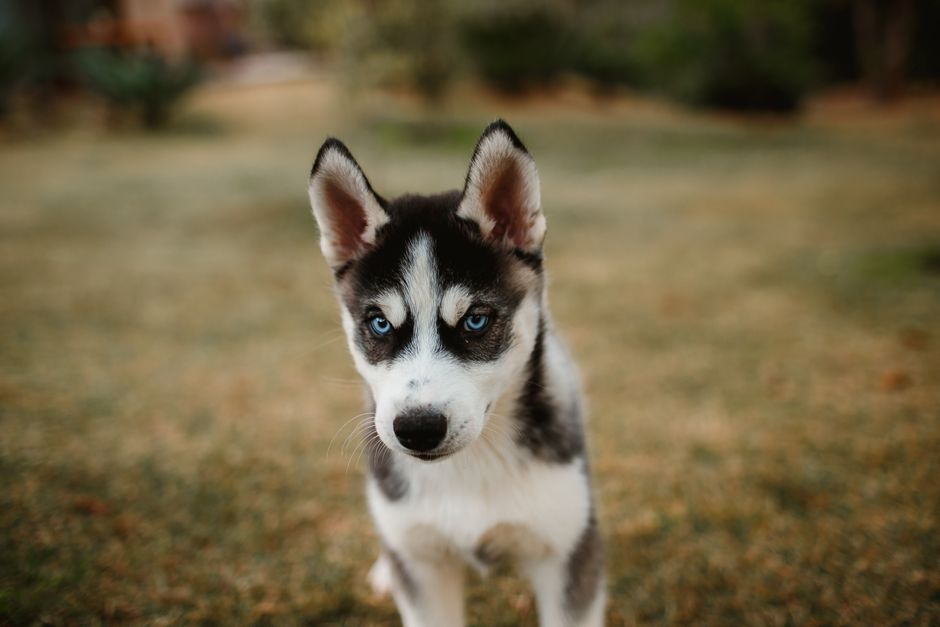
Huskies were bred to pull sleds and work in packs, but they also retain a strong prey drive from their wolf ancestors. This instinct to chase small, fast-moving animals can make living with cats challenging. However, with patient and consistent training, many huskies can learn to coexist peacefully with felines. The key is understanding that you are working against an innate behavior, not a lack of obedience.
Preparation Before Introducing Your Husky to a Cat
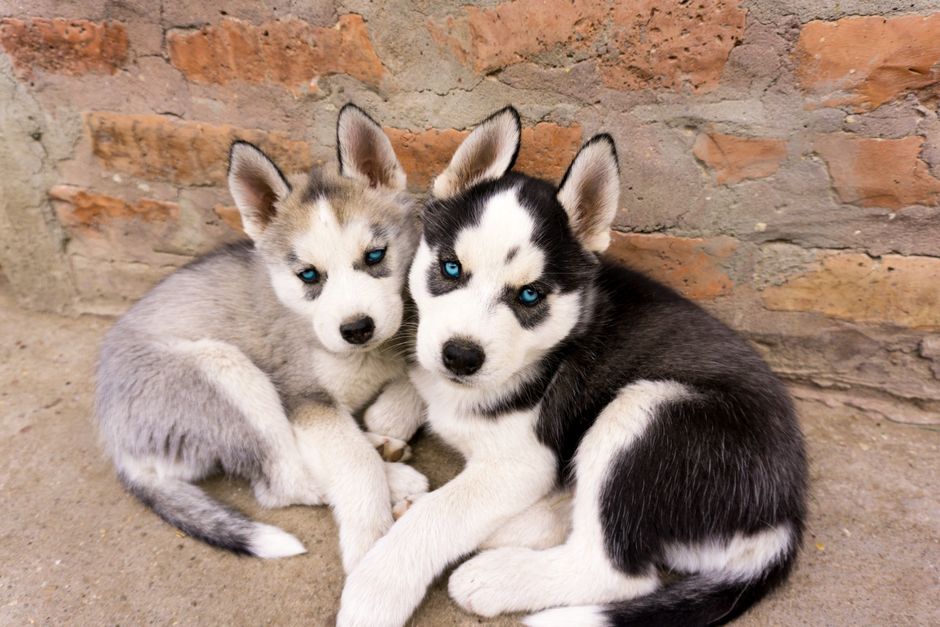
Before any face-to-face meetings, set up your environment for success. Create safe zones for your cat: tall cat trees, shelves, or rooms with baby gates that the cat can access but the husky cannot. Ensure your cat has escape routes and places to hide. Also, make sure your husky is well-exercised and mentally stimulated before introductions—a tired husky is easier to train. Basic obedience commands like “sit,” “stay,” “leave it,” and “come” should be solid before progressing.
Step-by-Step Introduction Process
Phase 1: Scent Exchange
Start by swapping scents. Use a towel to rub your cat, then place it near the husky’s bedding. Do the same with the cat, exposing it to the husky’s scent. Feed both animals near the scent items so they associate the other’s smell with positive experiences.
Phase 2: Visual Contact Through Barrier
Use a baby gate or a crack in a door for initial visual contact. Keep the husky on a leash and reward calm behavior. If the husky fixates or lunges, increase distance until he can relax. Short sessions (5-10 minutes) several times a day are better than long ones.
Phase 3: Controlled Face-to-Face Meetings
Keep the husky on a loose leash and have high-value treats ready. Allow them to see each other at a distance where the husky remains calm. Gradually decrease the distance over days or weeks. Always reward neutral or relaxed behavior. If the husky shows intense interest, redirect with a command and treat. Never punish growling or barking, as that can suppress warning signals and lead to sudden aggression.
Training Techniques to Reinforce Good Behavior
“Leave It” Cue: Practice “leave it” with high-value items like toys or food, then generalize to the cat. Start with the cat far away and reward disengagement.
“Look at Me” Cue: Teach your husky to make eye contact with you when you say “look” or “watch me.” Use this to redirect attention from the cat.
Desensitization and Counterconditioning: Pair the cat’s presence with something the husky loves, like cheese or playtime. Over time, the husky will associate the cat with positive outcomes.
Management Strategies for Ongoing Harmony
Even after successful introductions, never leave your husky unsupervised with the cat until you are 100% certain of safety. Use gates, crates, or separate rooms when you are away. Provide plenty of exercise and mental stimulation for the husky to reduce pent-up energy. Feed them separately to avoid resource guarding. Ensure the cat has high perches and retreats.
Troubleshooting Common Issues
Chasing: If your husky chases the cat, immediately interrupt with a loud noise (e.g., clap) and call him away. Leash him and re-settle. Practice impulse control games like “wait” at doorways.
Barking or Whining: This often indicates frustration or excitement. Increase distance and work on calming exercises. Use a “quiet” command if needed.
Aggression: Growling, snapping, or stiff body language requires professional help. Consult a certified dog behaviorist immediately. Do not attempt to fix this on your own.
When to Seek Professional Help
If your husky shows persistent aggression or extreme prey drive, or if the cat seems stressed (hiding, not eating, over-grooming), contact a force-free trainer experienced with huskies and cats. Some huskies may never be safe around cats, and it’s responsible to keep them separated permanently.
Conclusion
Training a husky to live with cats requires patience, consistency, and respect for both animals’ instincts. While it’s not always possible, many huskies learn to accept feline housemates. Focus on management, positive reinforcement, and safety. Every small step forward is a victory.
Quick Reference Table: Training Steps at a Glance
| Step | Action | Duration |
|---|---|---|
| Scent exchange | Swap bedding or toys | 2-3 days |
| Visual through barrier | Baby gate or door crack | 1-2 weeks |
| Controlled meetings | Leashed, distance, treats | Ongoing |
| Unsupervised time | Only after months of calm behavior | Gradual |
Remember, each husky and cat pair is unique. Track progress and adjust your approach as needed. Good luck!