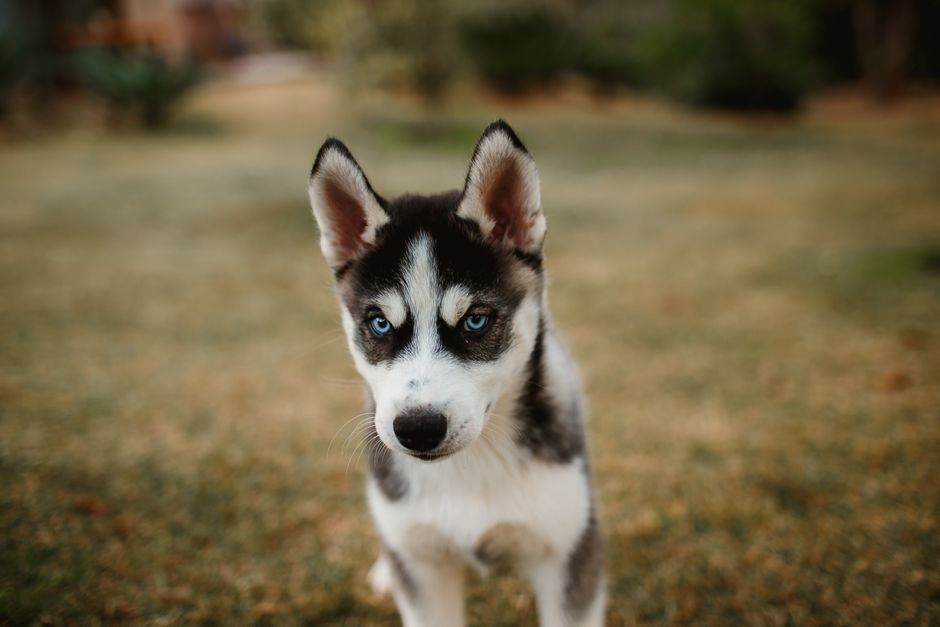
Understanding Aggression in Siberian Huskies
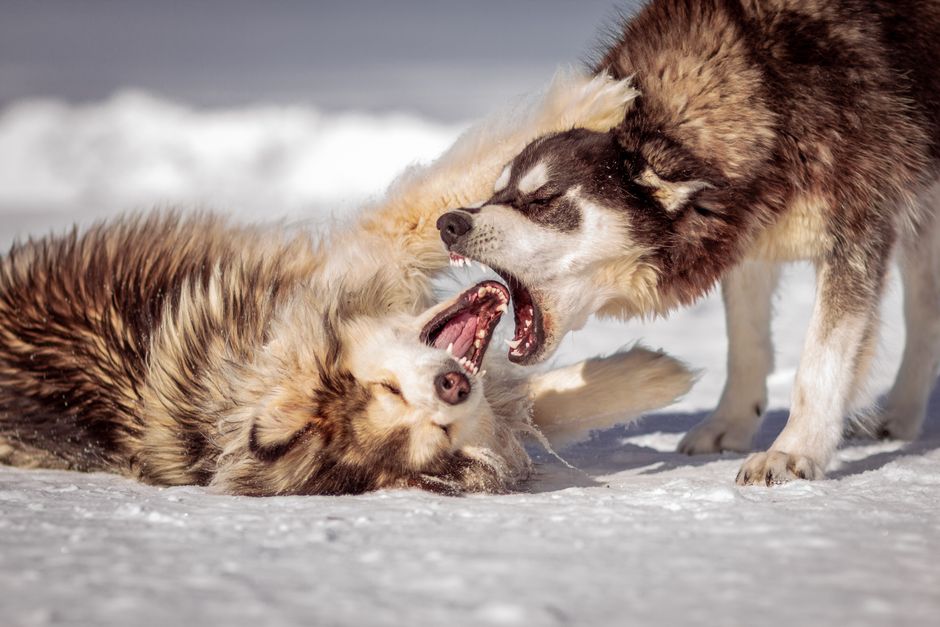
Aggression in Huskies can be alarming, but it's often a symptom of underlying issues like fear, resource guarding, or lack of socialization. Huskies are intelligent, independent dogs with a strong prey drive, and they may become aggressive if they feel threatened or frustrated. It's crucial to differentiate between true aggression and normal Husky behaviors like mouthing or playful roughhousing. True aggression includes growling, snapping, biting, or raised hackles that signal a serious intent to harm.
Common Causes of Aggression in Huskies
1. Fear and Anxiety
A Husky that hasn't been properly socialized may react aggressively out of fear. New environments, strangers, or loud noises can trigger a defensive response. Early, positive exposure to various stimuli is key to preventing fear-based aggression.
2. Resource Guarding
Huskies may guard food, toys, or even their favorite sleeping spot. This is a natural instinct but can become problematic if not addressed. Signs include stiffening, growling, or snapping when someone approaches their valued item.
3. Territorial Aggression
Huskies can be territorial over their home or yard. They may bark, lunge, or bite at people or animals entering their space. Proper boundaries and controlled introductions help manage this.
4. Leash Reactivity
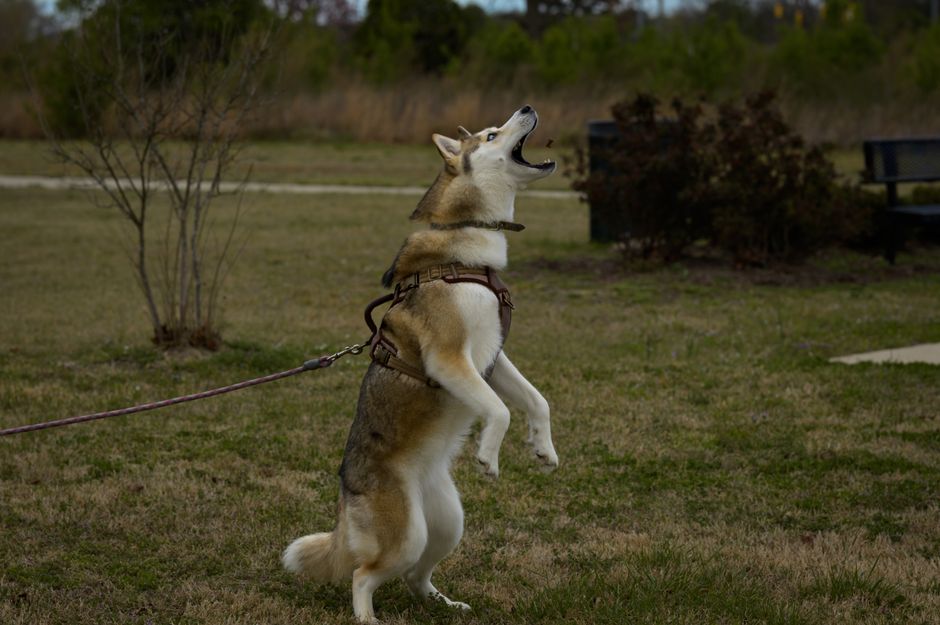
Many Huskies become frustrated on leash, leading to pulling, barking, and snapping at other dogs. This is often due to the restriction of their natural desire to run and explore. Leash training and counter-conditioning can reduce reactivity.
5. Pain or Medical Issues
A sudden onset of aggression may indicate pain, such as from hip dysplasia, dental issues, or ear infections. Always consult a vet to rule out medical causes before starting behavior modification.
Safety First: Handling an Aggressive Husky
Before any training, ensure safety for you, your Husky, and others. Use a muzzle when necessary, especially during initial assessments or in high-stress situations. Basket muzzles allow panting and drinking while preventing bites. Never punish growling—it's a warning that should be respected. Instead, remove the trigger and address the underlying emotion.
Professional Help: When to Call a Trainer or Behaviorist
Severe aggression requires professional guidance. Look for a certified professional dog trainer (CPDT) or a veterinary behaviorist (DACVB). They can create a tailored behavior modification plan and rule out medical issues. Avoid trainers who use aversive methods like prong collars or shock collars, as these can worsen aggression. A force-free approach is important for Huskies.
Training Techniques to Reduce Aggression
Positive Reinforcement
Reward your Husky for calm, non-aggressive behaviors. Use high-value treats, praise, or play. For example, if your dog is reactive on leash, reward them for looking at a trigger without reacting. This builds positive associations and teaches alternative behaviors.
Counter Conditioning
Change your dog's emotional response to a trigger. If your Husky growls when someone approaches their food bowl, start by tossing a treat from a distance while saying a cue like 'friend coming.' Gradually move closer, always pairing the trigger with something good. The goal is to replace fear with anticipation.
Desensitization
Expose your Husky to the trigger at a low intensity that doesn't provoke aggression. For a dog fearful of strangers, practice with a calm friend standing far away, gradually decreasing the distance over multiple sessions. Never push your dog to the point of reacting—this can undo progress.
Management and Prevention
Set your dog up for success. If your Husky guards the couch, prevent access when you can't supervise. Use baby gates or crates to create safe zones. Management prevents reinforcement of aggressive behavior while you work on training.
Exercise and Mental Stimulation: The Foundation for a Calm Husky
A tired Husky is less likely to be aggressive. Huskies need at least 1-2 hours of vigorous exercise daily—running, hiking, or swimming. Provide mental enrichment: puzzle toys, nose work, trick training, or pulling games (like a weighted sled). Boredom and pent-up energy can fuel aggression. Structured activities like canicross or bikejoring can channel their drive positively.
Consistency and Routine
Huskies thrive on routine. Feed, walk, and train at the same times each day. Use consistent cues and rules across all family members. Inconsistency can confuse your dog and increase anxiety, leading to aggression. Keep training sessions short (5-10 minutes) but frequent.
Case Study: Rehabilitating an Aggressive Husky
Consider 'Luna,' a 2-year-old Husky who snapped at visitors. Her owners used a combination of crate training for management, counter-conditioning (treats when guests arrived), and desensitization (gradual introductions). Over 3 months, Luna became comfortable and even greeted guests calmly. The key was patience and avoiding punishment.
| Stage | Action | Duration |
|---|---|---|
| Week 1-2 | Create a safe space (crate), use muzzle during walks, identify triggers | 14 days |
| Week 3-4 | Start counter-conditioning with high-value treats, keep distance from triggers | 14 days |
| Week 5-8 | Gradual desensitization, reward calm behavior, increase difficulty slowly | 4 weeks |
| Week 9-12 | Practice real-world scenarios, maintain management, continue enrichment | 4 weeks |
What Not to Do
- Never punish aggression. Punishment increases fear and can escalate aggression.
- Avoid alpha rolling or dominance theory. This causes stress and can lead to bites.
- Don't force interactions. Let your Husky approach at their own pace.
- Skip the 'correction' collars. They can cause pain and worsen aggression.
Final Thoughts
Training an aggressive Husky requires time, patience, and a commitment to positive methods. Understand that aggression is a symptom, not a character flaw. With proper management, professional help if needed, and consistent training, most Huskies can learn to manage their emotions and live peacefully. Always prioritize safety and seek guidance from a qualified professional for serious cases.