Understanding Prey Drive in Siberian Huskies
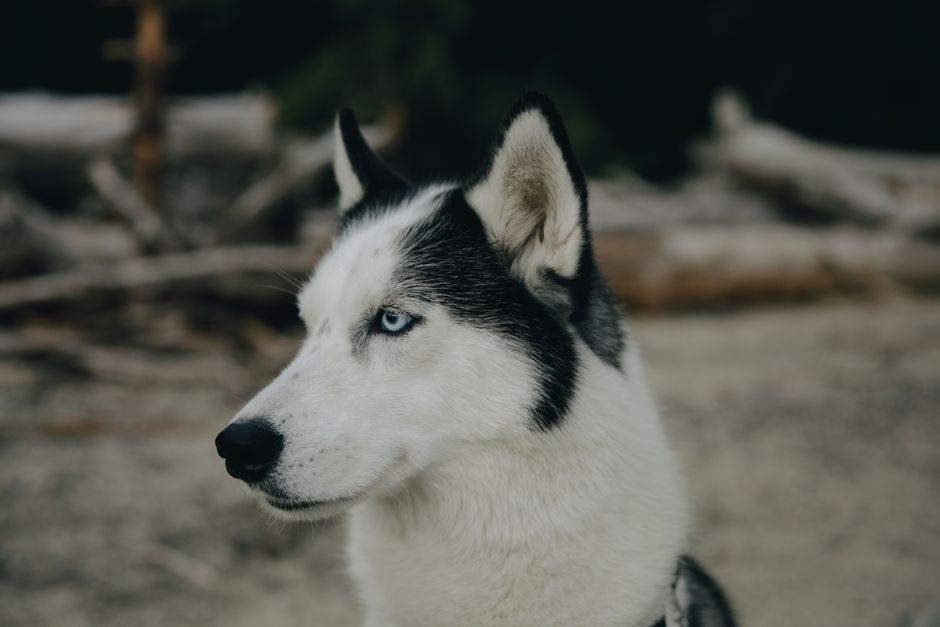
Siberian Huskies are renowned for their high prey drive—a natural instinct to chase, stalk, and capture small animals. This behavior originates from their history as sled dogs in the harsh Siberian tundra, where they had to hunt for survival. Prey drive is an innate, deeply ingrained trait in the breed, making it challenging to suppress entirely. However, with consistent training, you can manage and redirect this instinct to ensure your Husky's safety and your peace of mind.
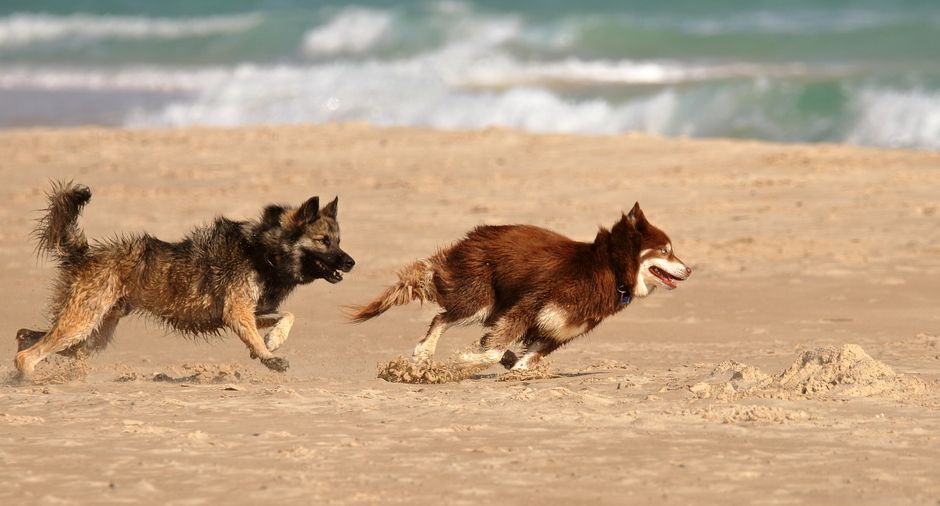
Prey drive manifests in various ways: chasing squirrels, cats, or even cars; digging under fences; bolting out of doors; and fixating on moving objects. Recognizing these behaviors early is key to effective training. It's important to note that prey drive is not disobedience—it's a biological imperative. Thus, training should focus on channeling the energy into acceptable outlets rather than punishing the instinct.
Why Training Prey Drive is Crucial
Unmanaged prey drive can lead to dangerous situations: your Husky may escape through a loose gate to chase an animal, run into traffic, or harm another pet. Additionally, constant frustration from unfulfilled chasing urges can cause destructive behaviors at home. Training helps:
- Prevent running away and potential injury or loss.
- Foster a calm, controlled demeanor during walks.
- Strengthen the bond between you and your dog through trust and communication.
- Allow for safe interactions with other animals (with supervision).
By investing time in prey drive training, you'll increase your Husky's safety and your enjoyment of outdoor activities together.
Step-by-Step Prey Drive Training Methods
1. Build a Strong Foundation with Obedience
Before tackling prey drive, ensure your Husky has solid basic obedience skills—sit, stay, come, and leave it. These commands form the backbone of controlling impulsive behavior. Practice in low-distraction areas first, then gradually add distractions.
2. Use the 'Leave It' Command
'Leave it' is important for redirect attention from prey. Start with a treat in your closed fist. Say 'leave it' and wait for your dog to stop sniffing or pawing. The moment they back away, mark (say 'yes' or click) and reward with a treat from your other hand. Once reliable with a stationary object, progress to moving objects (like a toy on a string). Eventually, use real prey stimuli like a neighbor's cat (at a distance).
3. Practice Controlled Chasing with a Flirt Pole
A flirt pole—a long pole with a toy attached to a rope—mimics the movement of fleeing prey. Use it to channel your Husky's chase instinct in a controlled manner. Teach cues for 'out' (release the toy) and 'drop it'. This gratifies the chase desire while reinforcing your control. Always end the session while your dog still wants more to avoid over-arousal.
4. Train a Rock-Solid Recall
Recall is your ultimate safety net. Practice come commands in increasingly stimulating environments. Use high-value rewards like cheese or boiled chicken. Play recall games with a partner: call your dog back and forth. Attach a long line for safety when practicing in open areas.
5. Desensitization and Counter-Conditioning
Expose your Husky to trigger stimuli (e.g., cats, squirrels) at a distance where they remain calm. Pair the sight with treats to change their emotional response. Gradually decrease distance. This reduces the intensity of the reaction over time.
Common Challenges and Solutions
| Challenge | Solution |
|---|---|
| Husky ignores commands when prey is present | Increase distance; use higher-value rewards; practice 'look at me' as a redirect. |
| Pulling on leash towards prey | Use a front-clip harness; stop walking when pulling; reward loose leash. |
| Escaping from yard | Reinforce fence with underground wire or concrete footer; provide more exercise; create a 'dig pit' so they can dig legally. |
| Aggression towards smaller pets | Strict supervision; manage environment; use muzzles if necessary; seek professional help. |
Tools and Aids for Prey Drive Training
- Long Line (20-50 feet): Allows freedom while maintaining control. Use for recall practice.
- Front-Clip Harness: Gives you more steering power and reduces pulling.
- Flirt Pole: Excellent outlet for prey drive in a controlled manner.
- High-Value Treats: Freeze-dried liver, unseasoned meat, cheese (in moderation).
- Clicker: Marks desired behavior instantly.
- Basket Muzzle (if needed): For safety during training with triggers.
Putting It All Together: A Sample Training Session
Start in a quiet area with few distractions. Warm up with basic obedience. Then, use the flirt pole to engage prey drive. Say 'take it' to allow chase, then after a few seconds say 'out' and reward. Follow with a 'leave it' exercise with a stationary toy. End with a recall drill on a long line. Keep sessions under 10 minutes to maintain focus.
Conclusion: Consistency and Patience
Training your Husky's prey drive requires patience, consistency, and understanding. You cannot eliminate the instinct, but you can manage it. Regular exercise, mental stimulation, and structured training will reduce unwanted chasing. Every dog progresses at their own pace—celebrate small victories. If you struggle, consider working with a professional trainer experienced in high-drive breeds. Remember, a well-trained Husky is a happy Husky, and your efforts will result in a safer, more enjoyable relationship with your canine companion.