As a devoted Siberian Husky owner, you want nothing but the best for your furry friend. However, many common human foods can be dangerous—even deadly—for your husky. This comprehensive guide covers everything your husky should never eat, from obvious toxins like chocolate to surprising culprits like grapes and garlic. Read on to protect your dog and ensure a long, healthy life.

Why Some Foods Are Toxic to Huskies
Huskies have a unique metabolism and digestive system that differs from humans. Some foods contain compounds that dogs cannot metabolize, leading to poisoning, organ damage, or digestive upset. Additionally, huskies are known for their curious nature and strong food drive, making them prone to eating things they shouldn't. Understanding these dangers is the first step to prevention.
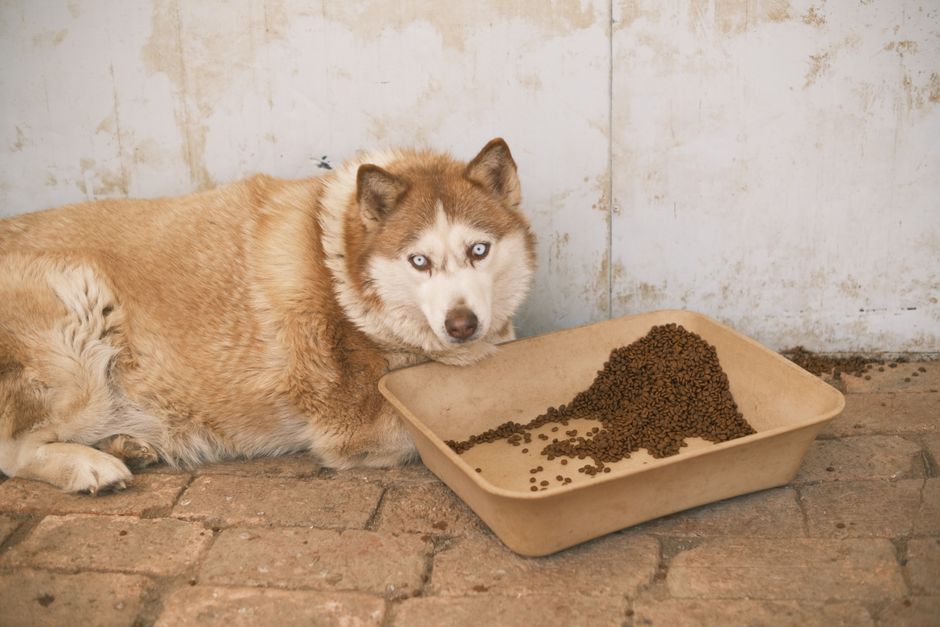
Deadly Toxins: Foods That Can Kill Your Husky
Chocolate and Caffeine
Chocolate contains theobromine and caffeine, both methylxanthines that dogs cannot break down. Even small amounts can cause vomiting, diarrhea, hyperactivity, seizures, and heart failure. Dark chocolate, baking chocolate, and cocoa powder are the most dangerous. If your husky ingests any chocolate, contact your vet immediately.
Grapes and Raisins
Grapes and raisins are notoriously toxic to dogs, including huskies. They can cause acute kidney failure, even in small quantities. Symptoms include lethargy, vomiting, dehydration, and loss of appetite. The exact toxic compound is unknown, but the risk is real. Never let your husky near grapes or raisins.
Xylitol (Artificial Sweetener)
Xylitol is a sugar substitute found in sugar-free gum, candy, baked goods, and toothpaste. In dogs, it causes a rapid release of insulin, leading to severe hypoglycemia (low blood sugar) within 30 minutes. Symptoms include weakness, collapse, seizures, and liver failure. Even small amounts are dangerous—one piece of gum can be toxic to a husky.
Onions, Garlic, and Other Allium Plants
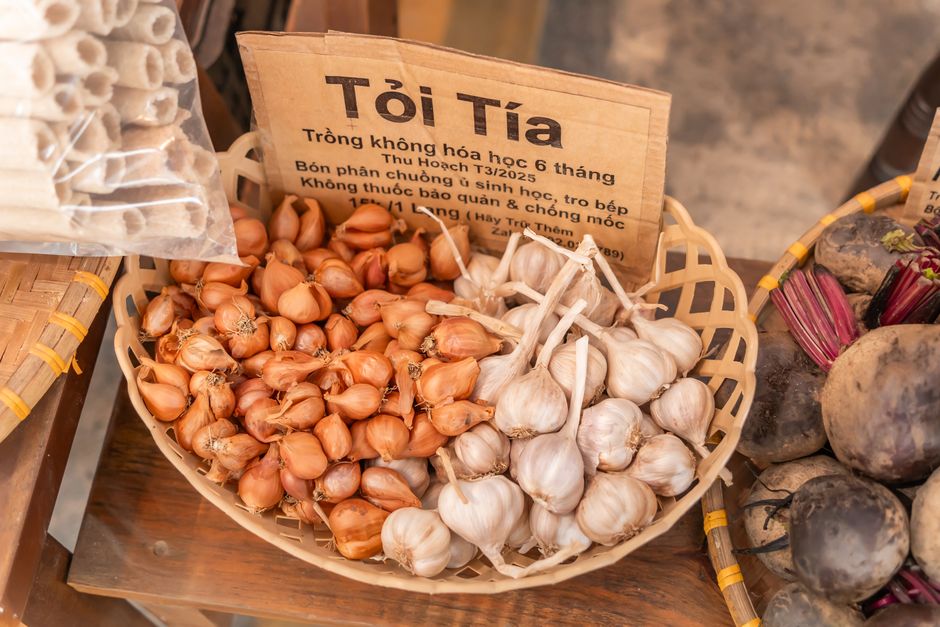
Onions, garlic, leeks, chives, and shallots contain compounds that damage red blood cells and cause hemolytic anemia in dogs. Huskies are particularly sensitive. Symptoms may not appear for a few days and include pale gums, lethargy, weakness, and dark urine. Avoid feeding any form of these vegetables, including powders and cooked forms.
High-Fat Foods and Pancreatitis Risk
Huskies can develop pancreatitis, a painful inflammation of the pancreas, from eating high-fat foods. Common culprits include fatty meats, fried foods, butter, oils, and rich table scraps. Pancreatitis can be life-threatening and requires veterinary treatment. Stick to lean proteins and avoid feeding your husky greasy leftovers.
Dangerous Treats: Bones, Raw Meat, and More
Cooked Bones
Cooked bones, especially poultry bones, can splinter and cause choking, intestinal blockages, or perforations. Never give your husky cooked bones. Raw bones (like raw beef or lamb) may be safer but still carry risks of bacterial contamination and tooth fractures. Always supervise if you offer any bones.
Raw Meat and Eggs
While some owners feed raw diets, raw meat and eggs can contain Salmonella, E. coli, and other pathogens that harm huskies and humans. Raw egg whites also contain avidin, which can interfere with biotin absorption. If you choose raw feeding, handle ingredients safely and consult a vet.
Common Allergens and Digestive Upset
Some foods may not be toxic but can cause allergies or digestive issues in huskies. Common triggers include dairy (lactose intolerance), wheat, soy, corn, and certain proteins like chicken or beef. Symptoms include itching, ear infections, diarrhea, and gas. If you suspect allergies, work with your vet to identify the culprit.
Quick Reference: Foods to Avoid at a Glance
| Food | Risk Level | Potential Effects |
|---|---|---|
| Chocolate | High | Vomiting, seizures, heart failure |
| Grapes/Raisins | High | Kidney failure |
| Xylitol | High | Hypoglycemia, liver failure |
| Onions/Garlic | Moderate | Anemia |
| Fatty foods | Moderate | Pancreatitis |
| Cooked bones | High | Choking, perforation |
| Macadamia nuts | Moderate | Weakness, vomiting |
| Alcohol | High | Coma, death |
What to Do If Your Husky Eats Something Dangerous
If you suspect your husky has ingested a toxic food, act quickly. Remove any remaining food, note the amount and time of ingestion, and call your veterinarian or a pet poison helpline (e.g., ASPCA Animal Poison Control: 888-426-4435). Do not induce vomiting unless instructed by a professional—some toxins cause more damage when vomited. Bring any packaging or food sample to the vet. Immediate treatment can save your husky's life.
Safe Alternatives and Healthy Treats
Instead of dangerous foods, offer your husky safe, nutritious treats. Good options include plain cooked chicken (no bones), carrots, blueberries, apple slices (no seeds), green beans, and commercial dog treats made with simple ingredients. Always introduce new foods slowly and in moderation. treats should make up no more than 10% of your husky's daily calories.
By being aware of what your husky should not eat, you can prevent many health emergencies. Keep these foods out of reach, educate family members and guests, and always check ingredient labels before sharing anything with your dog. Your husky depends on you—make safe choices every day.
Recommended Products for Your Husky
As an Amazon Associate, we earn from qualifying purchases. Learn more.
- Premium Husky Food — Check price on Amazon
- Grain-Free Kibble — Check price on Amazon
- High-Protein Food — Check price on Amazon
Frequently Asked Questions
Why is my Husky not eating?
A Husky skipping one meal is often fine — the breed is famously picky. Refusal beyond 24–48 hours, with lethargy, needs a vet check.
Should I feed grain-free food?
Grain-free is not inherently better and has been linked to heart concerns in some dogs. Whole grains are safe for most Huskies.
How do I switch dog foods safely?
Mix the new food in over 7–10 days, increasing the ratio gradually. A sudden switch causes vomiting or diarrhea.
Editor's Note
Our team weighs every new husky client's food for the first two weeks. Almost all were overfeeding by 20-30% based on the bag's optimistic chart. Body condition beats the printed label every single time.
Sources & Further Reading
HuskySpot researches each topic against recognized breed and veterinary authorities. The following organizations inform our content: