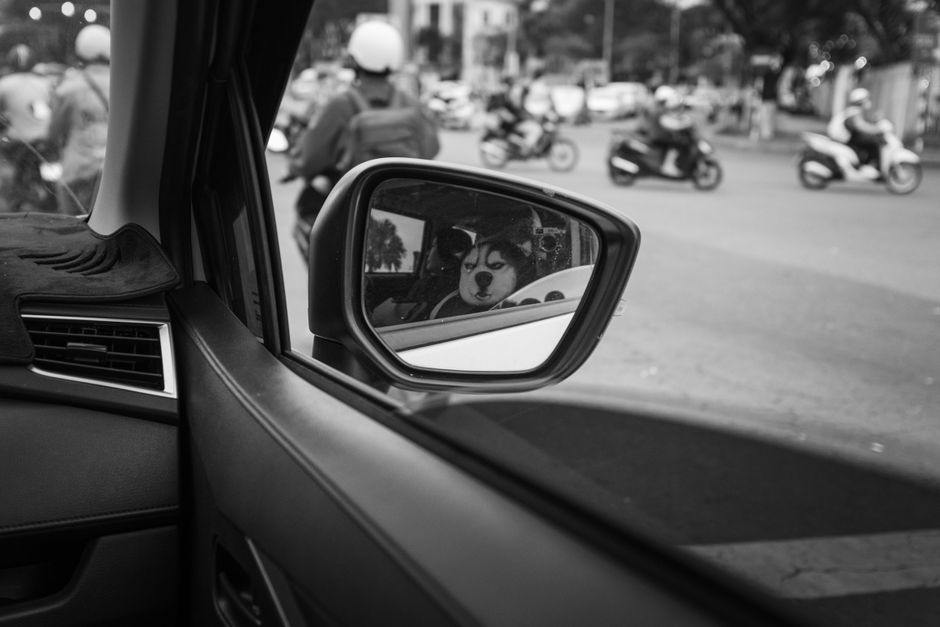
Introduction to Husky Car Ride Training
Huskies are known for their adventurous spirit and love of running, which can make car rides a challenge. Whether it's excitement, anxiety, or motion sickness, training your Husky to enjoy car rides is important for safe travel. This guide covers everything from preparation to advanced training techniques.
Why Your Husky Needs Car Ride Training
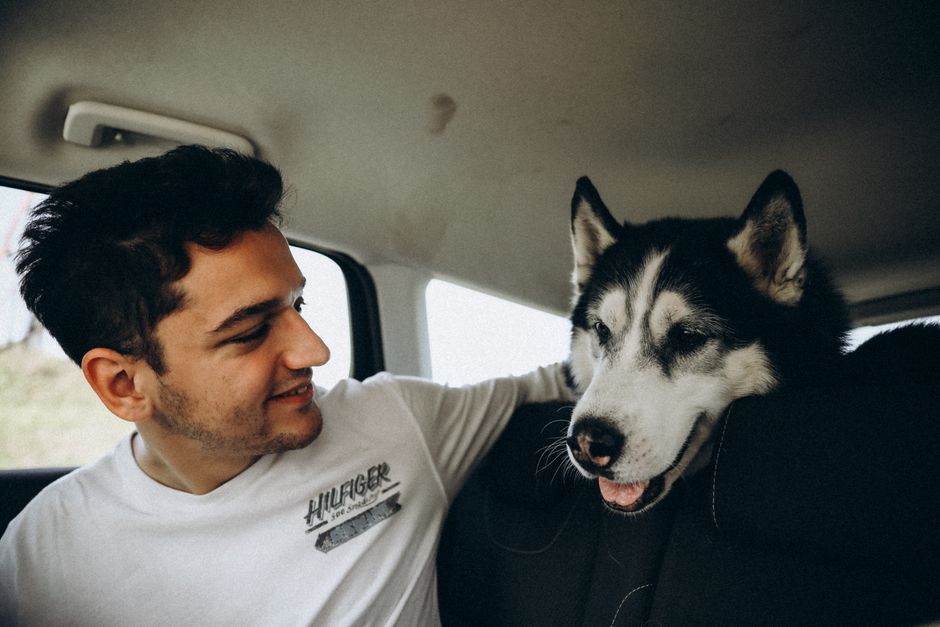
Many Huskies struggle with car rides due to their pack mentality and high energy. Without proper training, they may whine, pace, or even try to escape. Car training ensures safety for both you and your dog, reduces stress, and makes trips to the vet or park enjoyable.
Preparing Your Husky for Car Rides
Start with Short, Positive Sessions
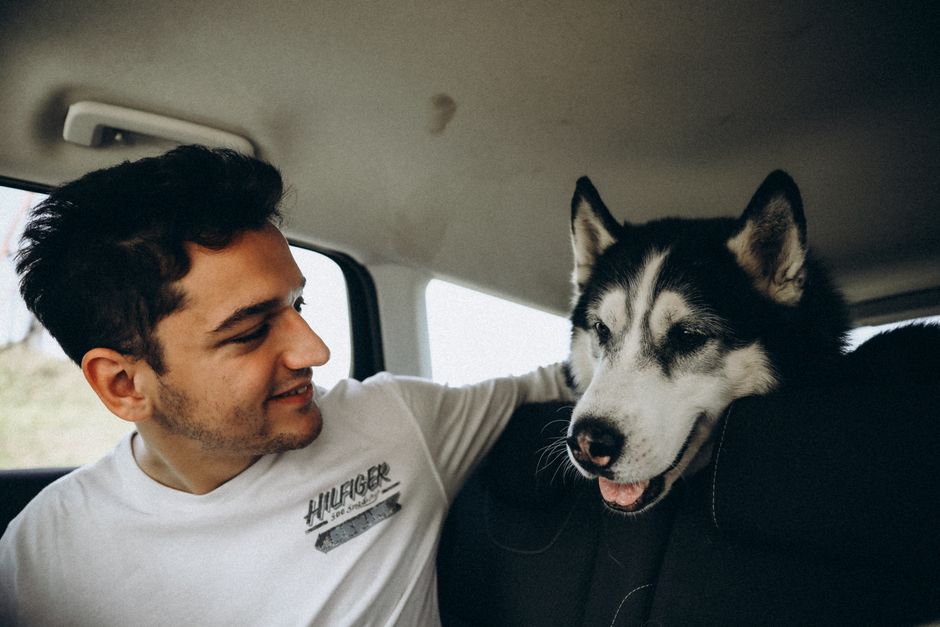
Begin by letting your Husky explore the parked car. Use treats and praise to create positive associations. Open doors, let them sniff seats, and reward calm behavior. Repeat this for several days before starting the engine.
Use Proper Restraint Systems
Safety first. Invest in a crash-tested harness or a secure crate. Never let your Husky roam free in the car. A restraint prevents injury and distractions. Introduce the harness at home before using it in the car.
Desensitize to Car Sounds and Movements
Play recordings of car sounds while your Husky is relaxed. Gradually increase volume. Then, sit in the car with the engine off, later with engine on but not moving. Reward calmness.
Step-by-Step Car Ride Training
Phase 1: Engine Off and Stationary
With your Husky in the car (restrained), give treats and calm praise. Keep sessions short (5-10 minutes). Exit and end on a positive note.
Phase 2: Short Drives Around the Block
Drive a few hundred feet, then stop and reward. Gradually increase distance. If your Husky shows anxiety, go back to the previous step. Consistency is key.
Phase 3: Longer Trips with Destinations
Drive to fun places like a park or hiking trail. Associate the car with good experiences. Always end on a positive note.
Common Issues and Solutions
Motion Sickness
Signs: drooling, vomiting, whining. Solutions: Feed a light meal 3 hours before, crack windows for fresh air, use calming pheromones or vet-approved medication. Gradually acclimate over weeks.
Excessive Barking or Whining
Often due to excitement or anxiety. Ignore the behavior while driving?—?reward quiet moments. Use a firm "quiet" command. If persistent, consult a trainer.
Jumping or Trying to Escape
Ensure secure restraint. If your Husky tries to climb into the front seat, use a barrier or crate. Practice staying calm in a stationary car first.
Safety Tips for Car Travel with Huskies
- Never leave your Husky alone in a parked car?—?heatstroke can occur in minutes.
- Use a crate or harness that meets safety standards (e.g., crash-tested).
- Keep the car well-ventilated and at a comfortable temperature.
- Bring water, a bowl, and a travel first-aid kit for longer trips.
- Stop every 2-3 hours for bathroom breaks and stretching.
Recommended Training Tools
| Tool | Purpose | Tips |
|---|---|---|
| Crate | Safe containment | Choose a size where Husky can stand and turn around |
| Harness | Restraint during rides | Attach to seatbelt or use a tether |
| Car seat cover | Protects upholstery and provides grip | Waterproof options are best for drool and mud |
| Treats | Positive reinforcement | Use high-value treats like chicken or cheese |
Conclusion
Patience, consistency, and positive reinforcement are the pillars of successful Husky car ride training. Start early, go slow, and always prioritize safety. Soon, your Husky will be a calm, happy travel companion. For more tips on Husky care and training, explore our other guides.