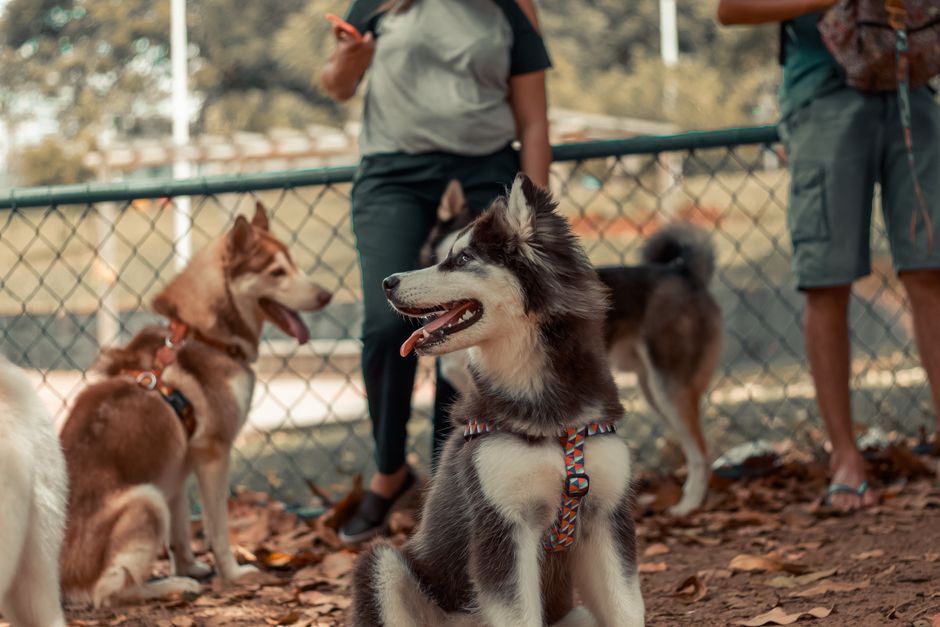
Why Your Husky Needs a Specialized Training Harness
Siberian Huskies are intelligent, energetic, and notoriously independent. Their pulling instinct, bred for sledding, makes loose-leash walking a challenge. A standard collar can cause tracheal damage and give you little control. A well-chosen training harness distributes pressure safely, discourages pulling, and gives you better communication with your dog. This guide covers everything from harness types to top product recommendations, fitting tips, and training techniques to make walks enjoyable for both of you.
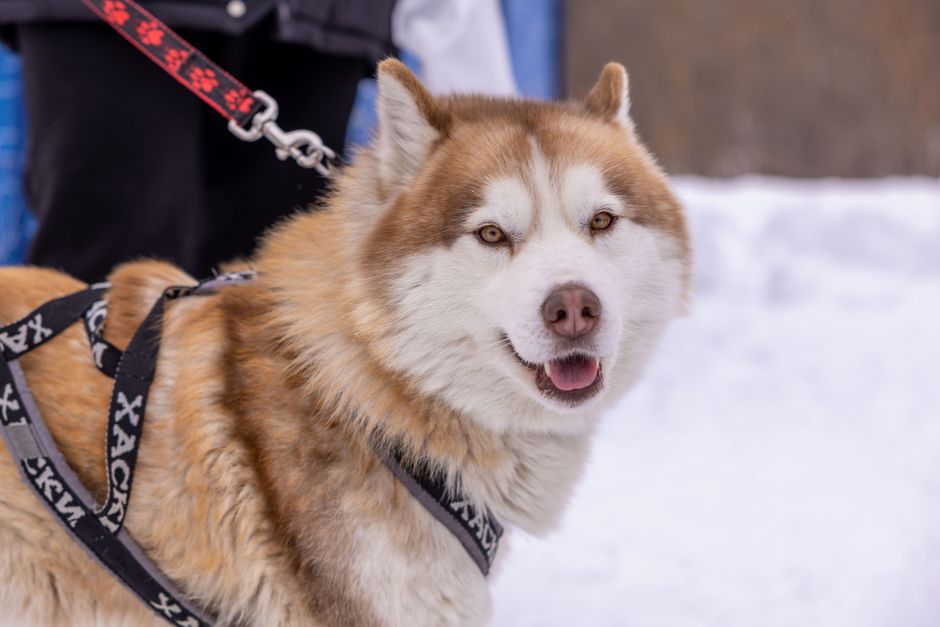
Key Features of a Husky Training Harness
When shopping for a harness, look for these essential features:
- Front Clip Attachment: A ring on the chest helps redirect your Husky when they pull, turning them toward you. This is a gentle, effective no-pull mechanism.
- Back Clip Option: Useful for calm walks or when you want to attach a seatbelt in the car. A dual-clip harness offers versatility.
- Adjustable Straps: Huskies have deep chests and narrow waists. Multiple adjustment points (chest, belly, neck) ensure a snug, comfortable fit.
- Breathable Padding: Look for mesh or neoprene padding to prevent chafing, especially in warm weather. Avoid thick, hot materials.
- Reflective Elements: important for early morning or evening walks to keep you both visible.
- Sturdy Hardware: Durable buckles and D-rings that can withstand strong pulls. Avoid plastic clips if your Husky is a power puller.
Types of Harnesses for Husky Training
Front-Clip Harnesses
These have a leash attachment at the chest. When your Husky pulls, the harness rotates their body sideways, disrupting their forward momentum. This is the most recommended type for training because it’s gentle and teaches the dog to walk without tension. Best for dogs that pull moderately.
Back-Clip Harnesses
These attach above the shoulders. While comfortable for the dog, they do little to deter pulling; they actually encourage it by giving the dog leverage. They are better for calm walks or for dogs that already walk nicely on a loose leash.
Dual-Clip Harnesses
The best of both worlds: a front and back clip. You can use the front for training walks and the back for relaxed outings. Many top-rated husky harnesses fall into this category.
Head Halters vs. Harnesses
Some owners consider head halters (like Gentle Leader) for control, but they can be aversive and many huskies dislike them. A good front-clip harness is usually more accepted and equally effective when combined with training.
Top 5 Best Harnesses for Husky Training (In-Depth Reviews)
Based on durability, comfort, no-pull effectiveness, and owner reviews, here are our top picks:
1. Ruffwear Front Range Dog Harness
A favorite among active dog owners. Features two leash attachment points (front and back), padded chest and belly, reflective trim, and a handle on top for added control. The four adjustment points ensure a custom fit for deep-chested huskies. It’s durable, machine-washable, and comes in various colors. Ideal for hiking, running, and training.
2. PetSafe EasyWalk No-Pull Harness
Designed specifically for no-pull training. The front clip is positioned low on the chest to steer the dog sideways. It has a martingale loop that tightens slightly when the dog pulls, applying gentle pressure. The four adjustment points prevent rubbing. Note: Some huskies are sensitive to the under-leg strap; ensure proper fit to avoid chafing.
3. Kurgo Tru-Fit Smart Harness
Versatile harness with front and back D-rings. Features a crash-tested seatbelt tether (sold separately). The padded chest plate protects the sternum. Five adjustment points allow a snug fit. It’s rugged and weather-resistant. A good option for car travel and daily walks.
4. Balance Harness by Blue-9
Highly recommended by professional trainers. It has a unique Y-shaped front that avoids restricting shoulder movement. Front and back clips. The straps are thinner but very strong; the lack of heavy padding reduces heat buildup. Excellent for active training and can be worn for long periods.
5. Julius-K9 IDC Powerharness
Originally designed for working dogs, this harness is extremely durable with a large handle on the back. It has a back clip only, but you can attach a front clip accessory (sold separately). The chest strap is wide and heavily padded. Good for strong pullers, but it does not have a no-pull function by itself. Best paired with training.
Harness Sizing and Fitting Guide for Huskies
A poorly fitted harness can cause chafing, escape, or discomfort. Follow these steps:
- Measure your Husky: Use a flexible tape measure. Measure the neck circumference (just behind the ears), chest circumference (widest part behind the front legs), and back length (from between shoulder blades to base of tail).
- Check the manufacturer’s size chart: Most harnesses size by chest girth. For a typical adult male Husky (45-60 lbs), size Large often fits. Females (35-50 lbs) may fit Medium. Always verify.
- Adjust for a snug fit: You should be able to slip two fingers under any strap. The chest strap should sit about an inch behind the front legs. The harness should not shift more than an inch when the dog pulls.
- Test movement: Ensure the harness doesn’t restrict shoulder movement. The Y-shaped front design is best for freedom of motion.
- Monitor for rubbing: After wearing, check for red marks or sore spots. Remove the harness when not in use to give skin breaks.
How to Train Your Husky to Walk with a Harness
The harness is a tool, not a miracle cure. Combine it with positive reinforcement training:
- Introduce the harness gradually: Let your Husky sniff and investigate. Reward with treats. Practice putting the harness on and off several times before the first walk.
- Use the front clip: Attach the leash to the chest ring. This gives you leverage when your dog pulls.
- Stop and stand still: When your Husky pulls, stop moving. Don’t pull back. Wait for them to turn or step back toward you. Then praise and continue. This teaches that pulling ends the walk.
- Change direction frequently: When your Husky forges ahead, turn around and walk the other way. This keeps them focused on you.
- Reward loose leash: Carry high-value treats. Reward your Husky when the leash is slack and they are walking beside you.
- Be consistent: Every family member must use the same commands and techniques. Sessions should be short (10-15 minutes) but frequent.
Comparison Table: Top Harnesses at a Glance
| Harness | Clip Type | Padding | Best For | Price Range |
|---|---|---|---|---|
| Ruffwear Front Range | Front & Back | High | All-around training & hiking | $$ |
| PetSafe EasyWalk | Front only | Medium | No-pull training | $ |
| Kurgo Tru-Fit | Front & Back | Medium | Training & car safety | $$ |
| Blue-9 Balance | Front & Back | Minimal | Active training & agility | $$ |
| Julius-K9 Powerharness | Back (front add-on) | High | Strong pullers & working dogs | $$$ |
Common Mistakes to Avoid
- Using a back-clip harness alone for a puller: It actually encourages pulling. Always use front clip or dual-clip.
- Buying a harness that is too large: It can slip off or cause rubbing. Follow sizing guides precisely.
- Skipping the training: A harness won’t fix pulling overnight. Consistent training is essential.
- Leaving the harness on all day: It can cause skin irritation and matting. Remove when indoors.
- Neglecting to check fit regularly: Growing puppies or weight changes require adjustments. Recheck every few months.
Conclusion
Choosing the best harness for husky training depends on your dog’s size, pulling intensity, and your training goals. A front-clip or dual-clip harness with proper padding and adjustability is ideal. Combine the harness with positive reinforcement training to teach your Husky to walk politely on a loose leash. Remember: patience and consistency are key. With the right equipment and techniques, you’ll transform walks from a tug-of-war into a bonding experience. Invest in a quality harness today and start enjoying peaceful walks with your energetic Husky!