Training a Siberian Husky to coexist peacefully with children requires patience, consistency, and an understanding of the breed's unique traits. Huskies are intelligent, energetic, and sometimes stubborn, but with proper guidance, they can become wonderful family companions. This guide provides a step-by-step approach to training your Husky around kids, ensuring safety and mutual respect for everyone.
Understanding the Husky Temperament
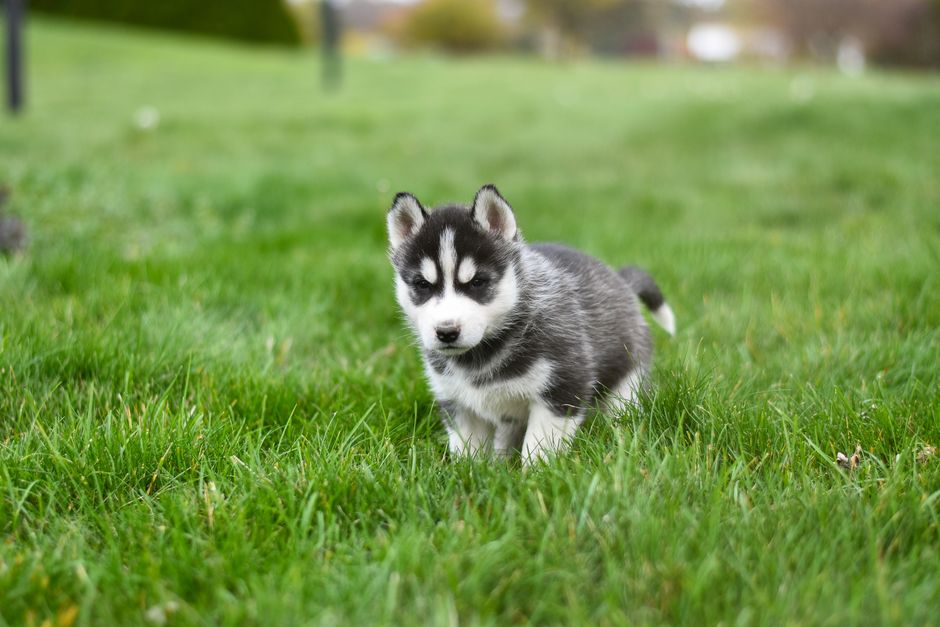
Siberian Huskies were bred to work in packs and have a strong prey drive, which can sometimes lead to chasing behavior. They are also highly social and thrive on attention, but they can be independent thinkers. Understanding these traits helps you tailor your training methods.
- Energy levels: Huskies need plenty of exercise; a tired Husky is less likely to engage in unwanted behaviors around kids.
- Gentle nature: Despite their size, Huskies are generally gentle with children, but they may accidentally knock over a toddler due to their exuberance.
- Prey drive: Small children running or squealing may trigger a chase instinct. Training to control this is crucial.
Preparing Your Home and Family
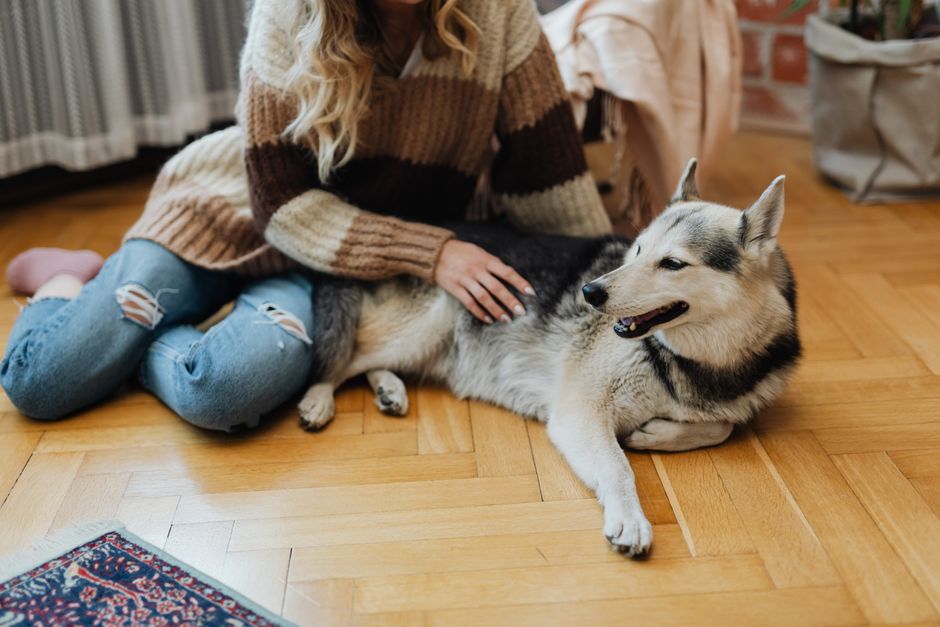
Before bringing a Husky into a home with kids, set up rules and a safe environment.
Create Safe Zones
Designate a quiet area for your Husky (e.g., a crate or bed) where kids are not allowed to disturb him during rest or meals.
Establish House Rules
- No food from the table (prevents resource guarding).
- No rough play that might escalate.
- Kids should always ask before approaching the dog.
Basic Obedience Training
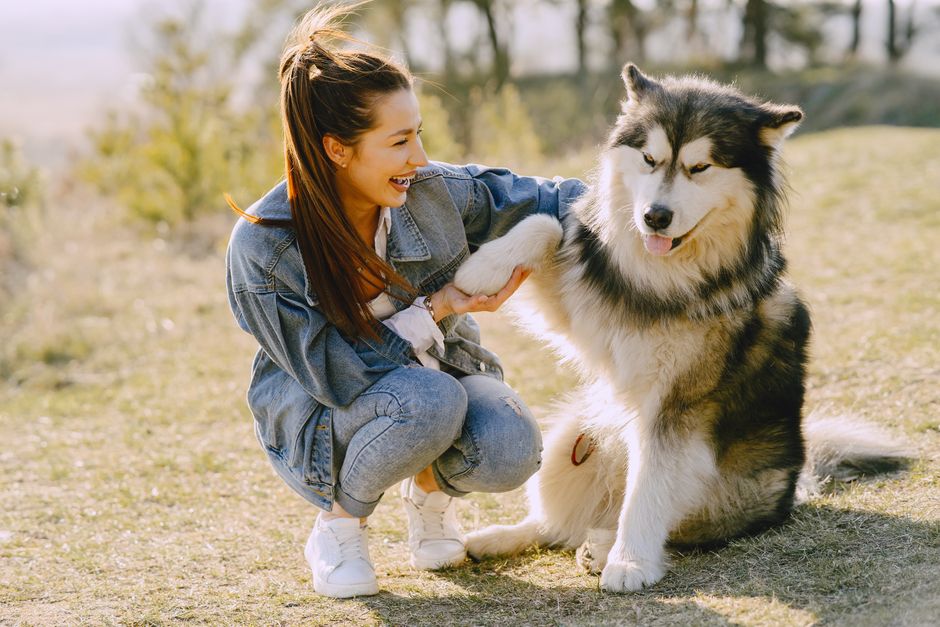
A well-trained Husky is easier to manage around children. Focus on these commands:
| Command | Purpose | Training Tips |
|---|---|---|
| "Sit" | Calms the dog before interactions. | Hold a treat above nose; say "sit" as rear touches ground. |
| "Down" | Prevents jumping on kids. | Use a treat to lure into lying down; reward. |
| "Leave it" | Prevents grabbing toys or food from children. | Place a treat on floor, cover with hand, say "leave it," reward when they look away. |
| "Stay" | Keeps dog in place when kids are active. | Ask dog to sit, step back, say "stay," return and reward. |
Practice daily in short sessions, using positive reinforcement (treats, praise).
Socialization with Kids
Expose your Husky to children of different ages in controlled settings. Start with calm, older kids who can follow instructions.
- Allow the dog to sniff children from a distance while on leash.
- Gradually decrease distance as the dog remains relaxed.
- Invite friends' children over for supervised play sessions.
- Never force interactions; let the dog approach at his own pace.
Socialization builds confidence and reduces fear-based reactions.
Supervision and Boundaries
Until your Husky is reliably trained, always supervise interactions between your dog and young children. Use barriers like baby gates when you cannot actively monitor.
Signs of Stress in Your Husky
Learn to read body language: lip licking, yawning, tucked tail, or whale eye (showing the whites of eyes). If you see these, separate the dog from the children immediately.
Teaching Kids How to Interact
Educate your children on respectful behavior around the Husky.
- Approach slowly and speak softly.
- Pet gently on the chest or back, not the head or tail.
- Don't disturb the dog while eating, sleeping, or chewing a toy.
- Never pull ears or fur.
- If the dog walks away, let him go.
Role-play scenarios so kids practice safely.
Common Challenges and Solutions
Jumping Up
Huskies may jump to greet kids. Teach the "off" command or ignore jumping until all four paws are on the ground, then reward.
Nipping or Mouthing
Puppies explore with their mouths. Yelp like a puppy and stop play to discourage biting. Provide chew toys instead.
Resource Guarding
some Huskies guard food or toys. Practice trades: exchange a high-value treat for the guarded item. Never take items forcefully.
Positive Reinforcement Techniques
Huskies respond best to rewards-based training. Use treats, praise, and play to motivate. Avoid harsh corrections, which can damage trust.
- Clicker training can mark desired behaviors precisely.
- Keep sessions fun and short (5-10 minutes).
- Involve kids in training under your guidance—let them give treats for simple commands.
Building a Lifelong Bond
A well-trained Husky and well-behaved kids can enjoy a beautiful relationship. Include your Husky in family activities like walks, playtime, and even gentle grooming sessions. Consistency and love will create a harmonious home.
Remember, training is an ongoing process. Stay patient and celebrate small victories. With time, your Husky will learn to be a calm, loving companion for your children.