If you're a Siberian Husky owner, you've probably noticed that your dog seems to lick everything in sight—your hands, the couch, the floor, even the walls. While occasional licking is normal canine behavior, huskies are known for being particularly enthusiastic lickers. This comprehensive guide explores the reasons behind this behavior, when it becomes a concern, and how to manage it effectively.
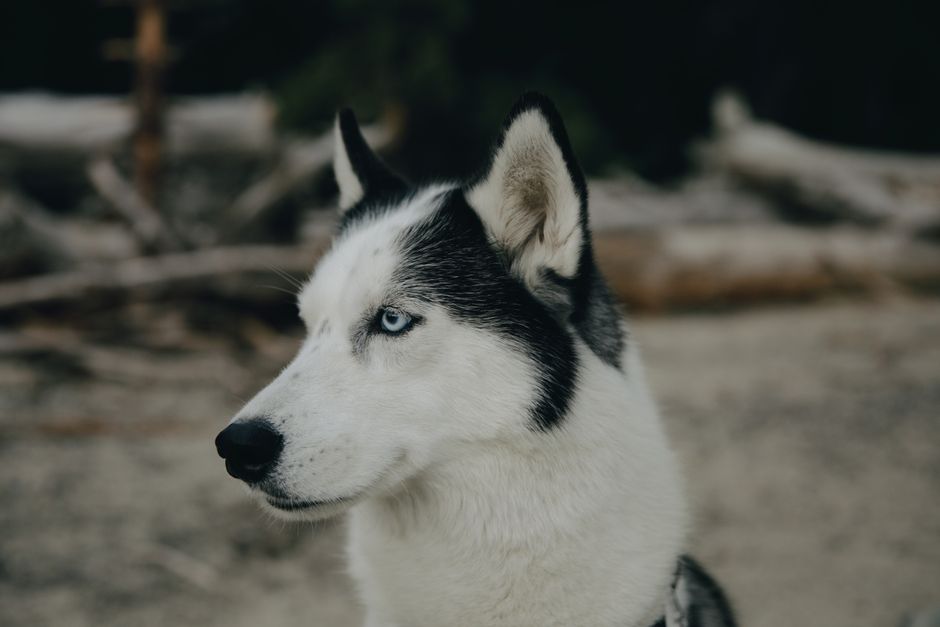
The Natural Instincts Behind Husky Licking
Licking is a deeply ingrained behavior in dogs, rooted in their ancestry. For huskies, who were bred to work closely with humans in harsh Arctic conditions, licking served several purposes:
- Communication: Puppies lick their mother's mouth to beg for food, and adults use licking to signal submission or affection.
- Grooming: Licking helps keep themselves and pack members clean.
- Exploration: A dog's tongue is like a second pair of hands—it gathers information about taste, texture, and scent.
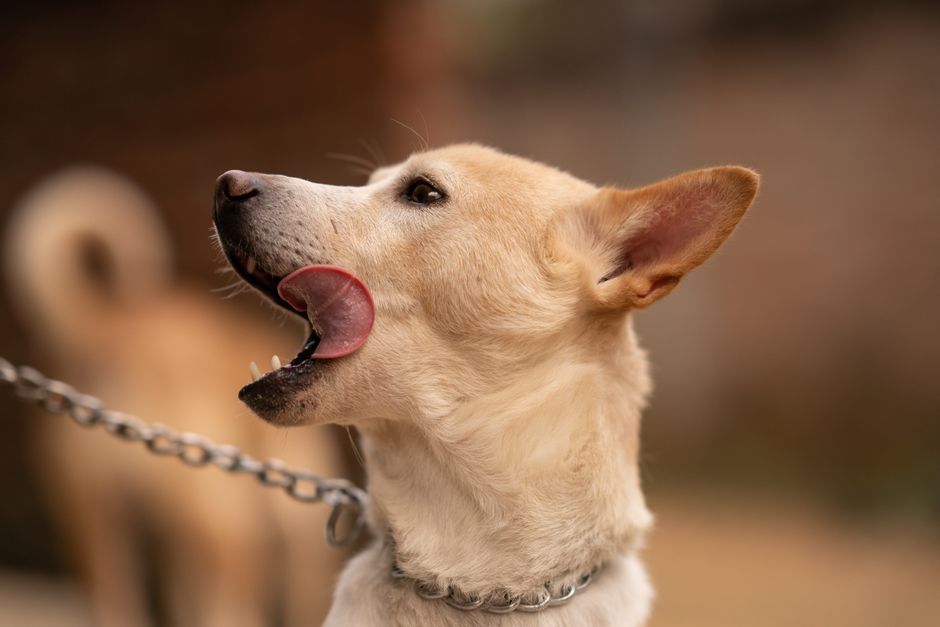
Common Reasons for Excessive Licking
While all dogs lick, huskies may take it to an extreme. Here are the most common triggers:
Affection and Bonding
Huskies are incredibly social and affectionate dogs. Licking releases endorphins and strengthens the bond with their owners. If your husky licks your face or hands, it's often a sign of love and trust. They may also lick other pets in the household as a way of reinforcing pack bonds.
Exploration and Taste
Huskies are curious by nature. They explore the world with their mouths, and licking allows them to taste and sniff simultaneously. You might notice your husky licking the floor after you've dropped food, or licking new objects like furniture or shoes to understand their composition.
Boredom or Anxiety
A bored husky is a destructive husky—and sometimes a compulsive licker. These intelligent, high-energy dogs need plenty of mental and physical stimulation. When left alone for long periods without enrichment, they may resort to licking as a self-soothing behavior. Similarly, anxious huskies (due to separation anxiety, loud noises, or changes in routine) may lick excessively to calm themselves.
Medical Issues
Sometimes excessive licking signals an underlying health problem:
- Allergies: Food or environmental allergies can cause itchy skin, leading to constant licking of paws or legs.
- Gastrointestinal upset: Nausea or acid reflux may cause a dog to lick surfaces or air.
- Oral discomfort: Dental issues, gum disease, or a foreign object stuck in the mouth can trigger licking.
- Neurological disorders: In rare cases, compulsive licking can be a sign of a neurological condition.
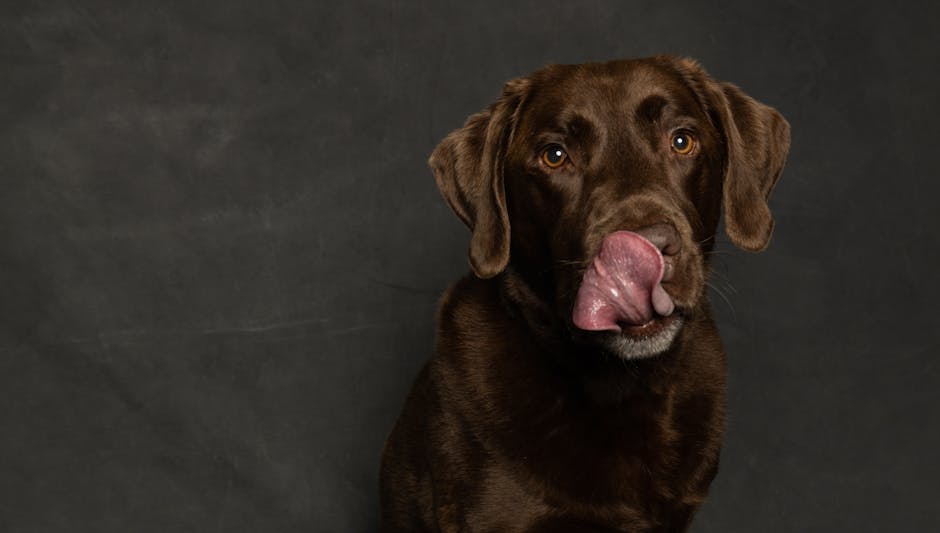
When Licking Becomes a Problem
While occasional licking is normal, you should be concerned if:
- The licking is constant and interferes with normal activities (eating, sleeping, playing).
- Your husky develops hot spots, rashes, or hair loss from licking the same spot.
- They lick inanimate objects like walls or floors for hours.
- It seems compulsive—your dog cannot be distracted or redirected.
In these cases, consult a veterinarian or a professional dog behaviorist to rule out medical causes and address behavioral issues.
How to Manage and Reduce Excessive Licking
Here are practical steps to curb unwanted licking while respecting your husky's natural instincts:
Provide Alternatives and Enrichment
- Interactive toys: Offer puzzle toys, treat-dispensing balls, or frozen Kongs to keep your husky mentally engaged.
- Chew toys: Huskies love to chew; providing safe rubber or nylon chews can redirect licking.
- Exercise: Ensure your husky gets at least 1–2 hours of vigorous exercise daily—running, hiking, or pulling a sled or bike.
- Training sessions: Short, positive reinforcement sessions can tire out their brain and reduce boredom.
Training and Redirecting
- Teach a “leave it” command to stop licking on cue. Reward your husky when they stop and look at you.
- Use a target stick or hand cue to redirect licking onto an acceptable object (like a lick mat).
- Ignore attention-seeking licking—if your husky licks you for pets, stand up and turn away. Reward calm behavior instead.
- For compulsive licking, increase environmental enrichment and consider a compression shirt or calming supplements (consult your vet).
Veterinary Check-Up
If you suspect a medical cause, schedule a vet appointment. They may recommend:
- Allergy testing and dietary changes.
- Medications for anxiety or gastrointestinal issues.
- Dental examination and cleaning.
- Blood work to rule out systemic diseases.
Your vet can also help you differentiate between normal and compulsive licking.
Final Thoughts
licking is a natural behavior for Siberian Huskies, and most of the time it's harmless—even endearing. The key is to understand the underlying cause and address it appropriately. By providing ample exercise, mental stimulation, and positive training, you can keep your husky happy and reduce excessive licking. If in doubt, always consult your veterinarian to ensure your dog's health and well-being.