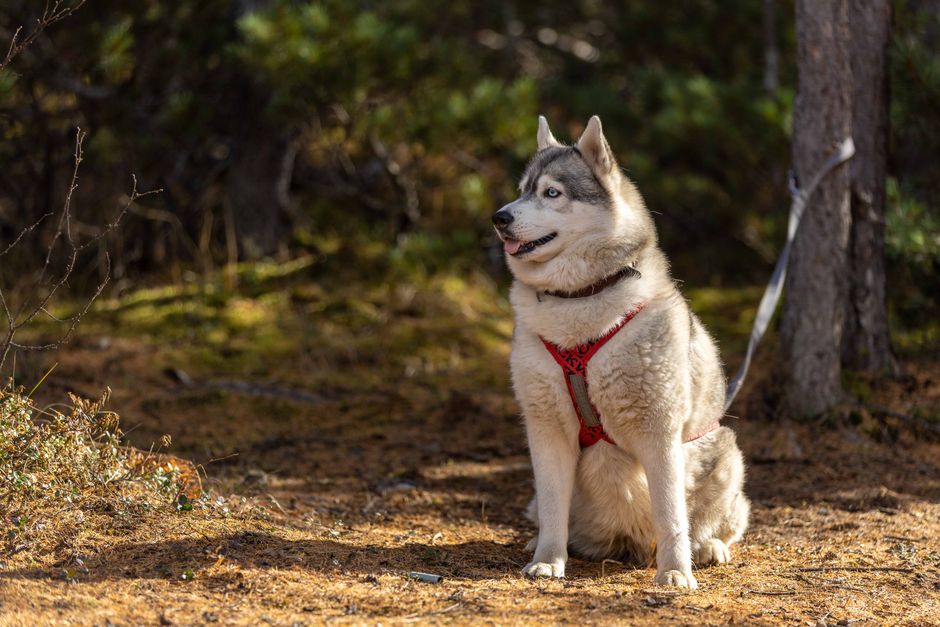
Why Off-Leash Training a Husky Is Challenging
The Siberian Husky is a breed known for its independent spirit, high prey drive, and strong desire to run. Unlike Labrador Retrievers or Border Collies, Huskies were bred to pull sleds over long distances, not to follow their owner’s every command. Their instinct to roam and chase can turn a peaceful walk into a dangerous sprint. Off-leash training requires patience, consistency, and a deep understanding of your dog’s natural behaviors. This guide will walk you through a step-by-step process to achieve reliable off-leash control while keeping your Husky safe.
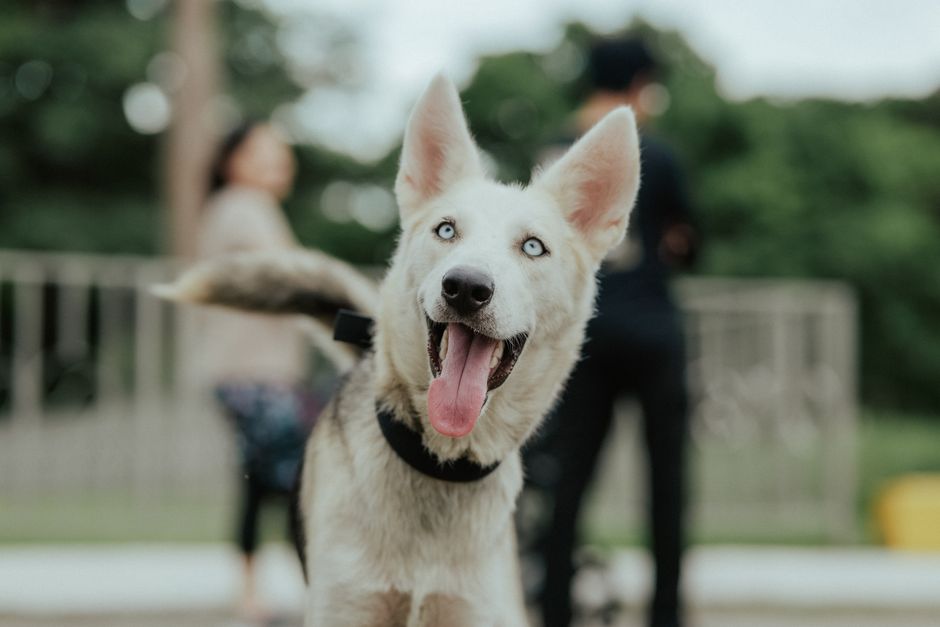
Prerequisites: Before You Start Off-Leash Training
Solid Basic Obedience
Your Husky must have a strong foundation in basic commands: sit, stay, come, heel, and leave it. Practice these in low-distraction environments until your dog responds reliably 90% of the time. Use positive reinforcement—treats, toys, praise—to make the behaviors rewarding.
High-Value Rewards
Huskies are often food-motivated, but their interests can vary. Experiment with treats like boiled chicken, cheese, or freeze-dried liver. For some, a favorite toy or a game of chase can be more motivating. Always have the highest-value reward on hand during off-leash sessions.
Safe Environment
Start in a securely fenced area such as a backyard, tennis court, or dog park. Avoid open fields near roads until recall is bombproof. A long line (30-50 feet) is important for intermediate training—it gives your Husky freedom while you maintain control.
Step-by-Step Off-Leash Training
1. Master the Recall Command
The “come” command is the cornerstone of off-leash training. Begin indoors or in a small fenced area. Say your dog’s name followed by “come!” in an excited tone, and run backward. When your Husky reaches you, give a high-value treat and enthusiastic praise. Repeat until the response is automatic. Gradually increase distance and add distractions.
2. Use a Long Line for Transition
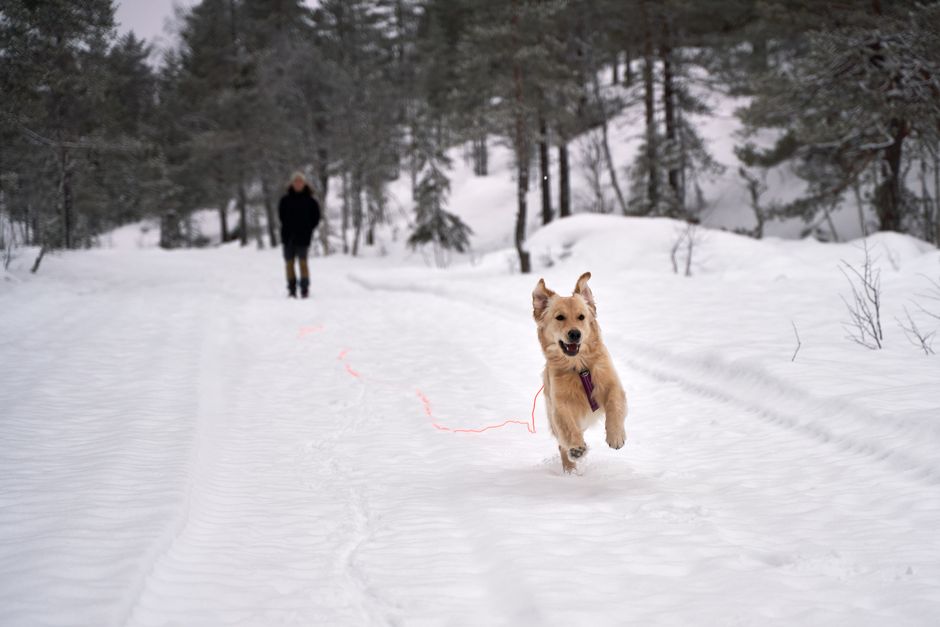
Attach a 30-foot long line to your Husky’s harness. Let them wander while you practice recall. If they don’t respond, give a gentle tug on the line and repeat the command. Never yank—the goal is to guide, not punish. Once they come consistently on the long line, you can begin to drop the line during supervised practice.
3. Introduce Distractions
Huskies are easily distracted by squirrels, birds, or other dogs. Start by having a helper create mild distractions (like a person walking at a distance) while you practice recall. Gradually increase the level of distraction. Use the “leave it” command if your Husky fixates on something. Reward heavily for choosing you over the distraction.
4. Proofing and Generalization
Practice in various environments: different parks, trails, and times of day. Change the reward schedule—sometimes give treats, sometimes praise, sometimes a game of tug. This keeps your Husky guessing and reinforces that coming to you is always worthwhile. Aim for 100% reliability before considering off-leash freedom.
5. Gradual Freedom in Safe Areas
Once recall is solid, try off-leash in a secure fenced area like a large dog park. Let your Husky explore while you move around. Call them randomly and reward. If you notice any sign of ignoring the command (ears going forward, body tensing), immediately leash up and return to long-line practice. Never punish for a slow response; instead, reinforce heavily for fast recalls.
Essential Equipment for Off-Leash Husky
| Item | Purpose | Notes |
|---|---|---|
| Harness | Even weight distribution, prevents neck strain | Choose a well-fitted, escape-proof harness (e.g., with a front clip for pulling) |
| Long training line | Controlled freedom | 30-50 feet, lightweight biothane or nylon |
| High-value treats | Motivation and reinforcement | Soft, smelly, easy to carry (e.g., Zuke’s, freeze-dried liver) |
| Whistle | Distinct recall signal | Use a consistent pattern (e.g., two short blasts) that you never use otherwise |
| GPS tracker (optional) | Peace of mind in case of escape | Attach to harness collar; consider Fi or Whistle |
Common Mistakes and How to Avoid Them
Letting Your Husky Off Too Soon
Many owners are eager to let their dog run free after a few good recalls. Huskies are clever—they will learn that ignoring you leads to more fun. Wait until you have at least 80% recall success even with high distractions. This may take months.
Using Punishment
Never call your Husky to you and then scold them (e.g., for running away earlier). The recall cue must always predict positive outcomes. If you need to discipline, do it in the moment, but never after the recall.
Inconsistent Rewards
Huskies are independent—they need a reason to come back. If you stop rewarding with high-value treats or play, they may decide other activities are more interesting. Keep rewards unpredictable but frequent.
Ignoring the Prey Drive
If your Husky spots a squirrel, their training may temporarily vanish. Teach a strong “leave it” and “look at me” command. Also, consider using an emergency recall word (e.g., “cookies!”) that you use only for the highest-value reward to override instinct.
When to Seek Professional Help
If your Husky consistently ignores recalls, bolts out doors, or is aggressive toward other dogs, consider working with a certified dog trainer who specializes in working breeds or off-leash reliability. They can assess your specific issues and create a tailored plan. Live near open water or busy roads? A professional can help you manage risk while building a solid foundation.
Conclusion
Training a Siberian Husky to be reliable off-leash is a marathon, not a sprint. Their independent nature, combined with a high prey drive, demands patience, consistency, and a positive approach. Focus on building an unbreakable bond, use the right equipment, and never rush the process. With time and effort, you can enjoy the freedom of hiking, running, or exploring off-leash with your Husky—safely and happily.