Why Huskies Need a Special Leash
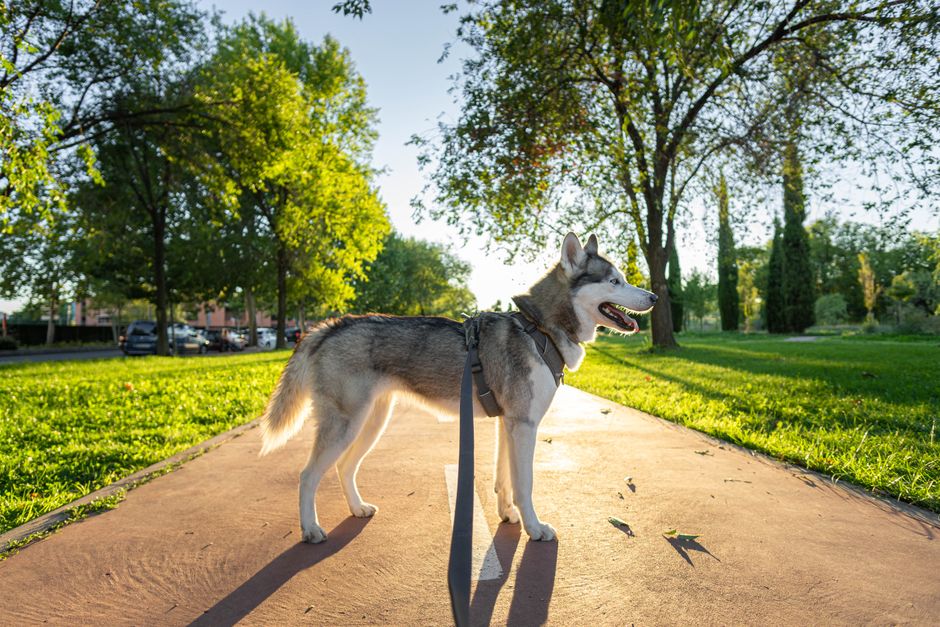
Siberian Huskies are intelligent, energetic, and notoriously strong pullers. Their genetic history as sled dogs means they have an innate drive to pull, making a standard leash ineffective—and sometimes dangerous—for training. A specialized leash not only gives you better control but also helps communicate expectations clearly during walks. Without the right equipment, you risk injury to your dog or yourself, and your training progress can stall. This guide explores the best leashes for husky training, focusing on features that address their unique behaviors like pulling, escaping, and excitement.
Types of Leashes for Husky Training
Flat Standard Leashes
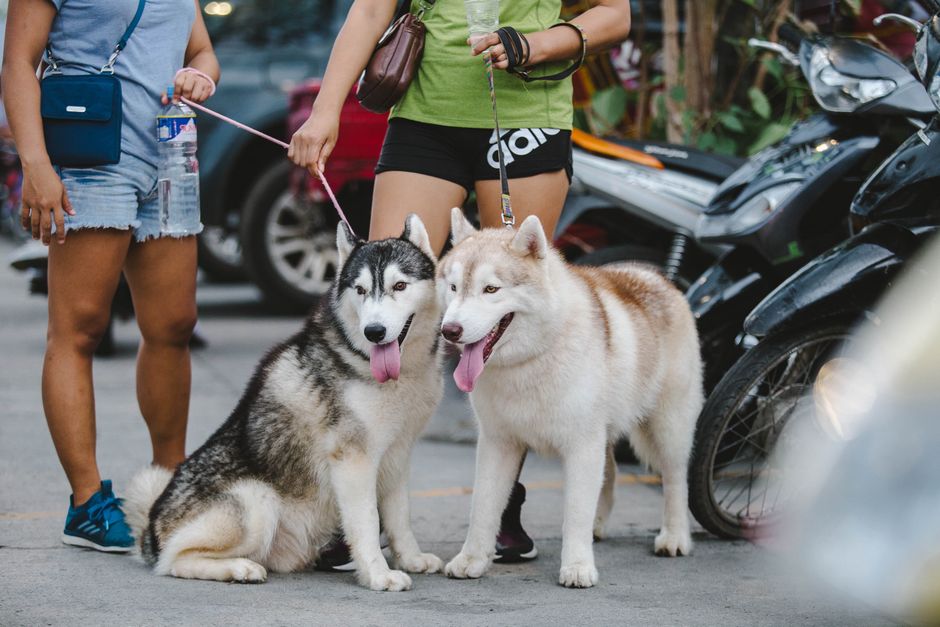
The classic nylon or leather leash works for well-mannered dogs, but for a husky in training, it may not provide enough grip or control. If you choose a flat leash, opt for one with a padded handle to reduce strain and a length of 4–6 feet for urban walks.
Martingale Leashes
Martingale leashes combine a collar and leash into one piece. They tighten slightly when the dog pulls, providing gentle correction without choking. Ideal for huskies with thick necks that can slip out of regular collars. Many trainers recommend martingale leashes for focus work and loose-leash walking.
No-Pull Leashes (Front-Clip Harness Compatible)
While a leash itself cannot stop pulling, pairing a front-clip harness with a no-pull leash design (like having a second handle on the back) can help redirect your husky’s momentum. Look for leashes with a traffic handle near the collar for quick corrections.
Hands-Free Leashes (Wearable or Belt)
For active owners who jog or hike with their husky, hands-free leashes attach around your waist. These allow you to use both hands while keeping your dog close. Bungee options absorb shock, reducing jerking on your spine.
Retractable Leashes: A Warning
Most trainers advise against retractable leashes for husky training. The thin cord can cause burns, the lock mechanism often fails under sudden pulls, and the constant tension encourages pulling. Stick to fixed-length leashes.
Key Features to Consider
- Material: Nylon is durable and affordable; leather lasts longer but may become slippery when wet; biothane is waterproof and easy to clean.
- Length: 4–6 feet for training, 8–10 feet for recall practice, but avoid longer lines for safety near roads.
- Handle: Padded or neoprene handles reduce friction. Some leashes have a secondary handle near the clip for close control.
- Hardware: Strong, rust-proof metal clips (carabiner or bolt snap) rated for at least 50 lbs. Check for rotating clasps to prevent tangling.
- Reflectivity: Reflective stitching or strips are important for evening walks, as huskies can be hard to see in low light.
- Multiple Attachment Points: Some leashes allow you to clip to collar or harness, giving versatility during training stages.
Top Leash Recommendations for Huskies
| Product | Type | Pros | Cons |
|---|---|---|---|
| Kong Comfort Control Leash | Padded flat leash | Soft grip, durable, good for everyday use | May not deter strong pullers alone |
| LupinePet Martingale Leash | Martingale | Adjustable, prevents escaping, lifetime guarantee | Not ideal for heavy pulling training |
| Rabbitgoo No-Pull Harness with Leash | Front-clip compatible set | Two handles, reflective, budget-friendly | Harness may need separate sizing |
| Ruffwear Flatout Leash | Standard, multiple sizes | Ergonomic handle, strong hardware, reflective | Pricier than basic leashes |
| Tuff Mutt Hands-Free Leash | Hands-free bungee | Shock absorption, comfortable waist belt, dual handles | Bungee can bounce if dog darts |
| PetSafe CozyUp Leash | Padded martingale-combo | Nontoxic, soft fabric, good for sensitive necks | Not for very strong pullers |
Training Tips Using the Right Leash
Even with the best leash, you need consistent training methods. Here are practical tips:
- Always pair the leash with positive reinforcement. Reward your husky for walking with a loose leash, not for pulling. The leash is a tool, not a correction device.
- Use the traffic handle for close control. In crowded areas, hold the secondary handle to keep your dog beside you. Release when in open space.
- Practice “change of direction” games. When your husky pulls, turn abruptly and walk the other way. Let the leash go slack only when your dog follows.
- Gradually increase distractions. Start in a quiet yard, then move to a familiar sidewalk, and finally to busy parks. If your husky regresses, lower criteria.
- Never yank or choke. Husky harnesses (especially front-clip) are safer than tight collars. Use a martingale as a training aid, not a tool for punishment.
- Consider a dual-leash setup. Some trainers attach one leash to a harness and another to a collar for optimal control during advanced training.
Conclusion
Choosing the best leash for husky training depends on your dog’s age, strength, and training stage. For most owners, a martingale leash combined with a front-clip harness offers the best control and safety. Avoid retractable leashes, and prioritize padded handles, strong hardware, and reflectivity. no leash replaces consistent training—bonding with your husky through daily practice will make every walk a pleasure. Invest in quality gear, and your stubborn but loving companion will learn to walk politely by your side.