Bringing a Siberian Husky into your life is an exciting decision, but finding the right breeder is the most critical step. With so many breeders and puppy mills out there, knowing how to identify the best husky breeders can save you from heartache and ensure you bring home a healthy, well-tempered puppy. This comprehensive guide will walk you through everything you need to know—from recognizing ethical practices to asking the right questions.
Why Choosing the Best Husky Breeder Matters
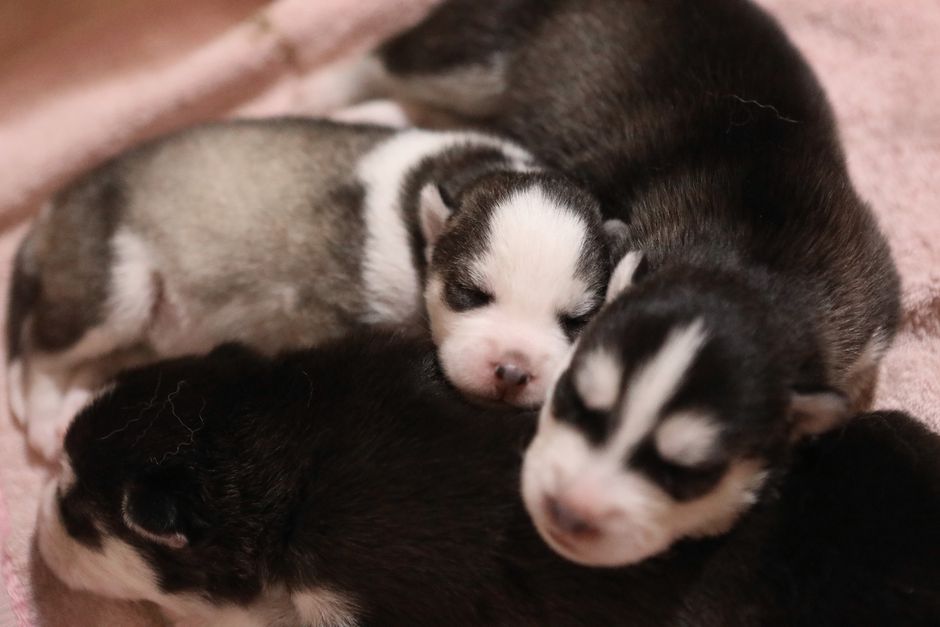
A responsible breeder prioritizes the health, temperament, and genetic soundness of their dogs over profit. The best husky breeders invest time in health testing, socialization, and proper care from birth. Choosing a reputable breeder reduces the risk of hereditary diseases, behavioral issues, and costly vet bills. It also supports ethical breeding practices that preserve the integrity of the breed.
Traits of a Responsible Husky Breeder
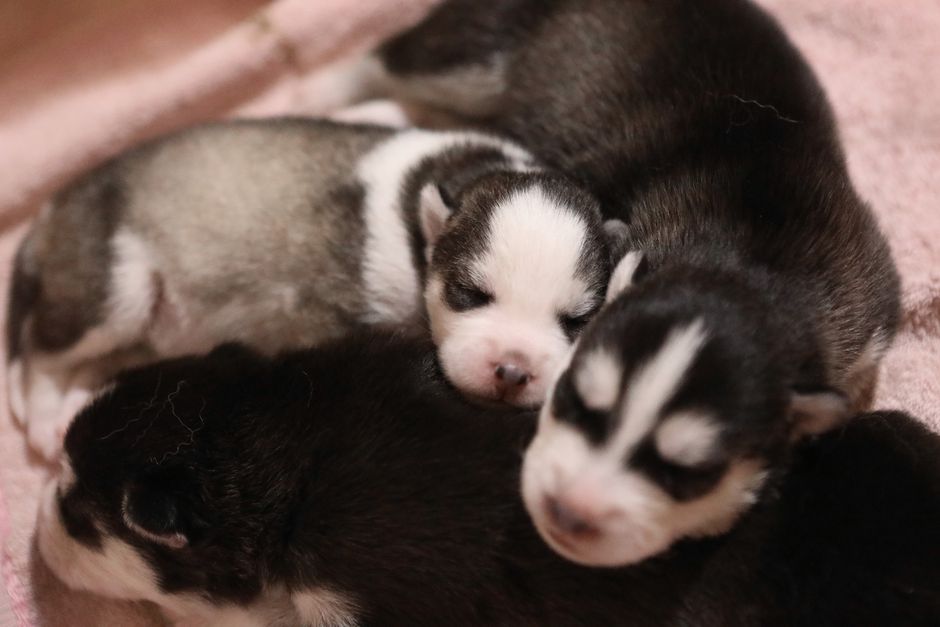
Ethical husky breeders share several key characteristics. Look for someone who:
- Health tests their breeding dogs for conditions common in huskies, such as hip dysplasia, eye disorders (PRA, cataracts), and thyroid issues.
- Provides a clean, spacious environment where puppies are raised indoors with family interaction.
- Asks you questions about your lifestyle, experience with dogs, and plans for the puppy.
- Shows you the parents or at least the mother, and provides documentation of health clearances.
- Offers a health guarantee and takes back the puppy if you can't keep it.
- Is knowledgeable about the breed and freely shares information about husky care, training, and common health issues.
- Belongs to breed clubs like the Siberian Husky Club of America (SHCA) or regional clubs.
Red Flags to Avoid When Looking for Husky Breeders
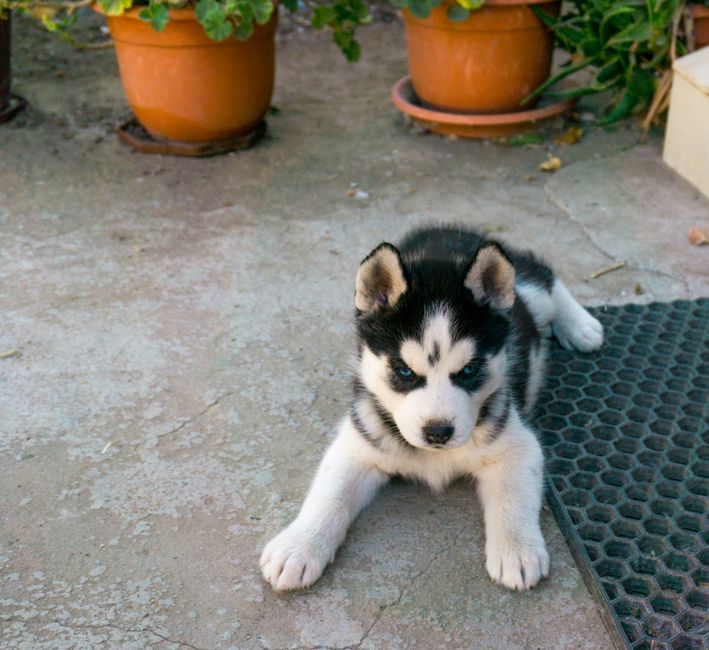
Avoid breeders who display any of these warning signs:
- Always have puppies available or multiple litters at once.
- Refuse to let you visit their facility or see the mother.
- Don’t ask you any questions about your home or lifestyle.
- Pressure you to make a deposit or buy quickly.
- Cannot provide health test results or refer to vet records.
- Sell puppies through pet stores or online marketplaces without meeting you.
- Have puppies that appear lethargic, unkempt, or show signs of illness.
Questions to Ask a Potential Husky Breeder
When you contact a breeder, come prepared with these questions:
- How long have you been breeding Siberian Huskies?
- What health tests do you perform on your breeding dogs? Can I see the results?
- Can I meet the puppy’s parents? If not, why?
- How do you socialize your puppies? What kind of early stimulation do they receive?
- What is your process for matching puppies to families?
- Do you provide a health guarantee? What does it cover?
- Will you take the puppy back at any time if needed?
- Do you provide ongoing support after the sale?
Health Testing and Certifications for Husky Puppies
Reputable breeders perform specific health tests before breeding. The following table outlines the most important certifications for Siberian Huskies.
| Health Test | What It Screens For | Recommended Certification |
|---|---|---|
| Hip Dysplasia | Abnormal hip joint development leading to arthritis | OFA (Orthopedic Foundation for Animals) or PennHIP |
| Progressive Retinal Atrophy (PRA) | Degenerative eye disease causing blindness | OFA eye clearance or CERF (annual) |
| Cataracts | Opacity of the lens affecting vision | OFA eye clearance |
| Hypothyroidism | Underactive thyroid gland | OFA thyroid test |
| Zinc-Responsive Dermatosis | Skin condition due to zinc malabsorption | Not a routine test, but good breeders are aware |
Always ask to see the OFA numbers or certificates. You can verify them online at the OFA website.
The Importance of Early Socialization and Environment
The best husky breeders start socialization from day one. Puppies raised in a home environment with exposure to household noises, different people, and gentle handling are more confident and adaptable. Ask the breeder about their socialization routine—do they introduce puppies to crates, car rides, various surfaces, and basic sounds? A well-socialized puppy will be easier to train and less prone to fear-based behaviors.
Also, observe the condition of the puppies. They should be active, playful, with clear eyes and clean ears. The area should be clean and smell fresh. If the breeder uses a kennel run solely outdoors, that may indicate less human interaction which can affect temperament.
How to Verify a Breeder’s Reputation
Do your homework beyond the initial meeting. Here’s how:
- Check breed club affiliations. Breeders listed with the Siberian Husky Club of America (SHCA) adhere to a code of ethics.
- Ask for references from previous puppy buyers. Contact them to hear about their experience.
- Search online reviews on Google, Facebook, and breed-specific forums. Be wary of all great reviews—scammers can fake them.
- Visit the breeder’s website—it should have detailed information about their program, health testing, and dogs.
- Look for transparency. A good breeder will openly discuss health issues that have occurred in their lines.
Final Tips for Selecting Your Husky Puppy
Once you’ve found a great breeder, consider these tips when choosing your puppy:
- Ask about the puppy’s temperament: is it bold, shy, playful, or laid-back? Match it to your lifestyle.
- Observe the puppy interact with its littermates and with people.
- If possible, meet the mother—her temperament can indicate what your puppy may be like.
- Don’t be in a rush; a good breeder will likely have a waiting list. Patience pays off.
- Ensure the puppy has been vet-checked, dewormed, and received age-appropriate vaccinations.
- Get all paperwork: pedigree, health records, and a written contract.
Remember, a reputable breeder offers a lifetime commitment to their dogs and will support you long after you take your puppy home. By taking the time to find the best husky breeder, you’re not just getting a puppy—you’re gaining a trusted resource for many years to come.
Recommended Products for Your Husky
As an Amazon Associate, we earn from qualifying purchases. Learn more.
- Husky Care Essentials — Check price on Amazon
- Best-Selling Dog Gear — Check price on Amazon
- Newest Husky Products — Check price on Amazon
Frequently Asked Questions
What should I feed a Husky puppy?
A large-breed puppy formula with controlled calcium supports steady growth and lowers dysplasia risk.
When should I spay or neuter?
Many vets suggest 6–12 months for Huskies to protect joint and hormone development. Discuss timing with your vet.
What should I buy before a Husky puppy?
A crate, chew toys, a harness (not a collar for pulling), a groomer-grade brush, and puppy food. Skip the tiny water bowl — they grow fast.
Editor's Note
One pattern we track: adolescent regression around the first birthday. Training that was solid at eleven months falls apart at thirteen. We warn owners to hold the line, not relax it, and the rough patch passes faster.
Sources & Further Reading
HuskySpot researches each topic against recognized breed and veterinary authorities. The following organizations inform our content: