
Why Choosing the Right Source Matters
Bringing a Siberian Husky into your life is an exciting decision, but where you find your new companion has lifelong consequences. The source determines the puppy's health, temperament, and your experience as an owner. Unethical breeders and puppy mills prioritize profit over welfare, leading to genetic disorders, behavioral issues, and heartbreak. Responsible sources, on the other hand, ensure proper socialization, health testing, and lifelong support. This guide will walk you through the best options—reputable breeders, rescues, and shelters—while warning against dangerous shortcuts.
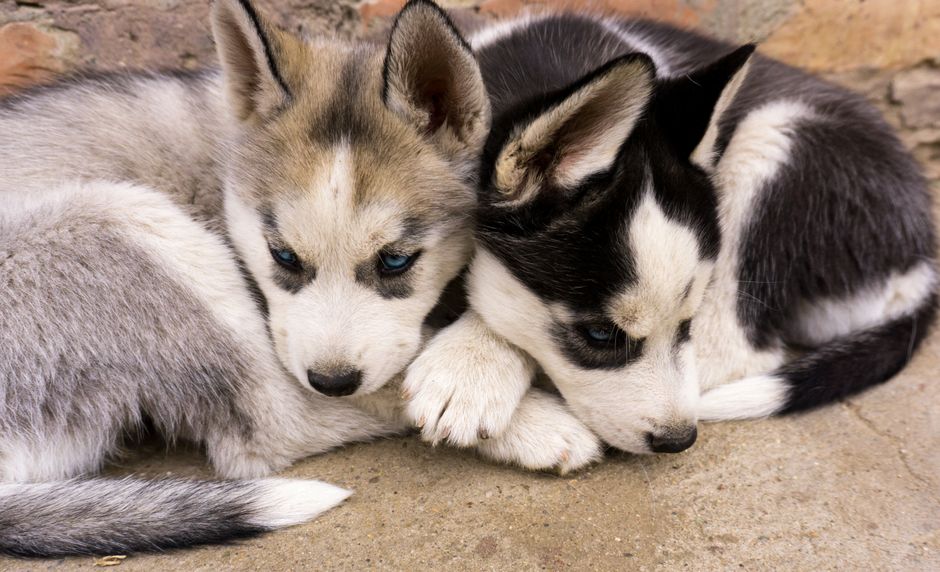
Option 1: Reputable Breeders
A responsible breeder is dedicated to preserving the breed standard and producing healthy, well-tempered puppies. They conduct health screenings for common Husky issues: hip dysplasia (OFA or PennHIP), eye disorders (CERF), and thyroid problems. They also socialize puppies from birth, exposing them to various stimuli. Expect to be interviewed as thoroughly as you interview them. A good breeder will have a contract requiring you to return the dog if you can't keep it.
How to Find a Reputable Breeder
Start with the Siberian Husky Club of America (SHCA) breeder referral list. Attend dog shows or contact local breed clubs. Avoid any breeder who has puppies available immediately or offers to ship without meeting you. Responsible breeders often have waiting lists.
Red Flags to Avoid
- Breeders who always have multiple litters available
- Reluctance to show you the facility or allow visits
- No health testing records or vague answers about genetic diseases
- Puppies are sold through pet stores or online classifieds
- Pushy sales tactics or pressure to buy quickly
- No contract or health guarantee
Questions to Ask a Breeder
- Can I see the puppy's parents? (At least the mother)
- What health tests have been done on both parents? Request OFA or CHIC numbers.
- How are puppies socialized? (Crate, car, different surfaces, people)
- What is your policy if I cannot keep the dog?
- Do you provide health records, pedigree, and registration papers?

Option 2: Rescue Organizations and Shelters
Adopting a Husky from a rescue gives a second chance to a dog in need. Many Huskies end up in shelters due to owners underestimating their exercise needs or independent nature. Breed-specific rescues (like SHCA Rescue) specialize in Huskies and often provide foster-based care, so you get to know the dog's personality before adoption. General shelters also have purebred Huskies and mixes.
Benefits of Adoption
- Lower cost ($200-$500 typically)
- Many dogs are already house-trained and basic obedience trained
- Health clearances often available from the rescue
- You save a life and reduce demand for puppy mills
How to Adopt
Search online databases like Petfinder or Adopt-a-Pet. Contact local Husky rescues and fill out an application. Expect a home visit or interview. Be specific about your lifestyle to get the best match. Some rescues have puppies occasionally, but most have adult dogs.
Option 3: Pet Stores and Online Marketplaces – A Warning
We strongly advise against buying a Husky from a pet store, online retail site, or classifieds like Craigslist. These almost always source from puppy mills where dogs are kept in deplorable conditions, overbred, and not health tested. The result: puppies with hidden illnesses, severe behavioral problems, and high vet costs. AKC Marketplace can be a mixed bag—always verify with the breeder directly and visit in person.
How to Prepare for a Husky Puppy Before You Buy
Huskies are not beginner dogs. They require daily exercise (1-2 hours of vigorous activity), mental stimulation (puzzle toys, training), and a secure fence as they are escape artists. Grooming: weekly brushing, heavy shedding twice a year. Climate: they thrive in cooler weather but can adapt with proper care. Training: start early with positive reinforcement. Socialization is critical to prevent reactivity.
Checklist for New Owners
- High-quality puppy food (large breed formula appropriately sized)
- Crate, bed, collars, leash, ID tags
- Grooming tools: slicker brush, undercoat rake, nail clippers
- Puppy-proofed home: secure trash, electrical cords, toxic plants
- Vet appointment within first week
- Enroll in puppy kindergarten classes
Costs Involved in Buying a Husky
| Source | Price Range (USD) | Additional First-Year Costs |
|---|---|---|
| Reputable Breeder | $1,500 - $3,000 | $2,000 - $4,000 |
| Rescue/Adoption | $200 - $500 | $2,000 - $4,000 |
| Puppy Mill (via pet store) | $500 - $1,500 | $3,000 - $10,000 (medical issues) |
Initial costs include spay/neuter, vaccinations, microchip, supplies, and training. Ongoing annual costs (food, vet, grooming, insurance) can be $1,000 - $2,000.
Steps to Follow When You Find a Potential Source
- Visit in person – Never buy sight unseen or via shipped puppy. See the environment, meet the mother, and observe the litter's behavior.
- Request health documents – Ask for OFA/PennHIP certification for hips, CERF for eyes, and vaccination records.
- Ask for references – Contact previous puppy buyers to learn about their experience and the dog's health.
- Trust your instincts – If something feels off (dirty conditions, reluctant breeder, pressure), walk away.
- Review the contract – Ensure it includes spay/neuter requirement, health guarantee, and a clause for return.
Taking these steps minimizes risk and sets the foundation for a healthy, happy relationship.
Conclusion
Your decision on where to buy a Husky directly impacts the dog's future and your experience. Prioritize ethical sources: a reputable breeder who health tests and socializes, or a rescue that vets its dogs. Avoid pet stores and online marketplaces. Prepare thoroughly for the breed's needs. By investing time upfront, you'll enjoy a loyal, beautiful companion for years to come.
Recommended Products for Your Husky
As an Amazon Associate, we earn from qualifying purchases. Learn more.
- Husky Care Essentials — Check price on Amazon
- Best-Selling Dog Gear — Check price on Amazon
- Newest Husky Products — Check price on Amazon
Frequently Asked Questions
When should I spay or neuter?
Many vets suggest 6–12 months for Huskies to protect joint and hormone development. Discuss timing with your vet.
What should I buy before a Husky puppy?
A crate, chew toys, a harness (not a collar for pulling), a groomer-grade brush, and puppy food. Skip the tiny water bowl — they grow fast.
How do I housebreak a Husky puppy?
Take them out every hour, after meals, and on waking; reward immediately. Crate overnight so they won't soil their den.
Editor's Note
We've recommended early socialization classes to every husky puppy owner we work with. The pack-oriented ones who learned dog language young handle the dog park calmly; the isolated ones arrive reactive and stressed.
Sources & Further Reading
HuskySpot researches each topic against recognized breed and veterinary authorities. The following organizations inform our content: