Why Do Husky Puppies Shed So Much?
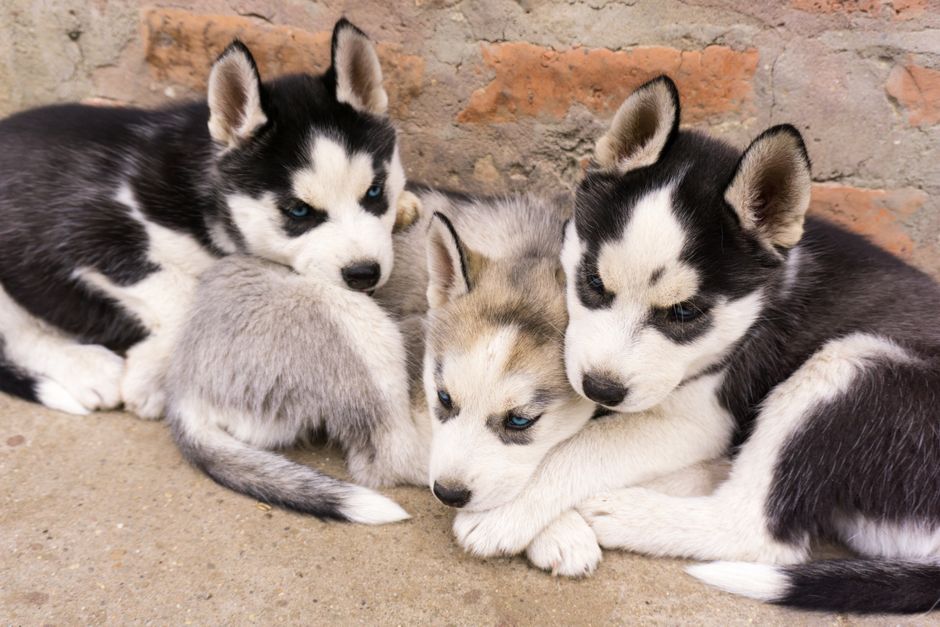
Siberian Huskies are renowned for their thick double coats, and shedding is a fact of life for any husky owner. But when you bring home a fluffy husky puppy, you might be surprised by how much hair a little creature can produce. Understanding why your husky puppy sheds is the first step to managing it. Unlike many breeds, huskies have a double coat: a dense undercoat for insulation and a longer guard coat for protection. From a young age, their coat goes through developmental changes. Puppy fur is softer and less dense, but as they grow, they lose that baby fluff to make way for the adult coat. This process, known as 'blowing coat,' happens twice a year, but puppies may shed more frequently as their coat matures. Additionally, stress, diet, and health can affect shedding. So, if you’re finding tiny fur tumbleweeds around your home, rest assured it’s normal—but there are ways to keep it under control.
When Does Shedding Start in Husky Puppies?
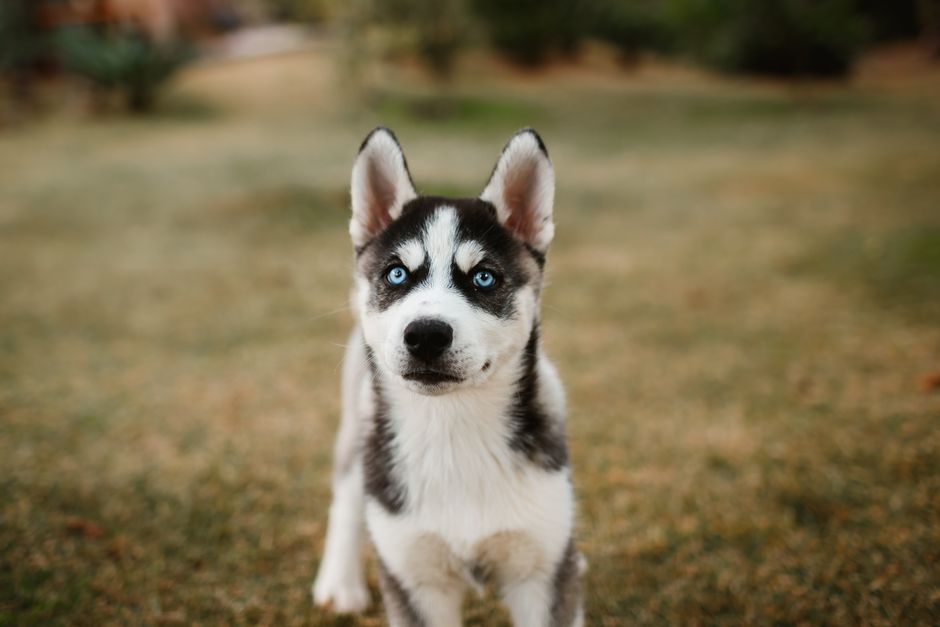
Typically, shedding begins around 3 to 4 months of age when the puppy loses its soft puppy coat. This is a gradual process that can last until the puppy is about 10 to 12 months old. During this transition, you may notice patches of loose fur or an overall increase in hair loss. It’s also common for the coat color to change slightly. However, every puppy is different—some may shed heavily early on, while others have a slower transition. Keep your grooming routine consistent from day one to help manage the shedding.
The 'Puppy Coat' vs. Adult Coat
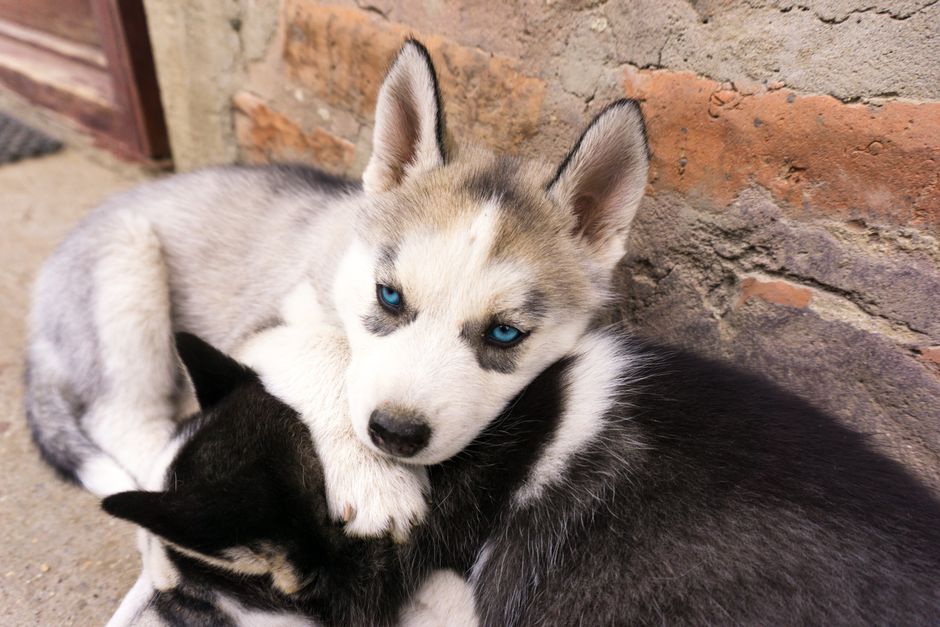
Your husky puppy is born with a single layer of soft, fluffy fur—the puppy coat. This coat is designed to keep the pup warm but isn’t as dense as an adult’s. As the puppy matures, the adult double coat starts to grow in underneath. The puppy coat must be shed to make room. This phase can be messy! The new adult coat is thicker and has two layers: a soft, insulating undercoat and a longer, waterproof guard coat. Once the adult coat is fully in (usually by 12-15 months), shedding becomes more predictable—heavy twice a year during seasonal changes, and lighter shedding year-round.
How to Manage Husky Puppy Shedding
Effective shedding management requires a multi-pronged approach: grooming, nutrition, and environment control. Here are detailed strategies:
Brushing: Your Best Friend
Brush your husky puppy at least 3-4 times a week, and daily during heavy shedding periods. Use the right tools:
| Tool | Best For | Frequency |
|---|---|---|
| Undercoat rake | Removing loose undercoat | 2-3 times a week |
| Slicker brush | Detangling and smoothing guard hairs | Daily |
| Deshedding tool (e.g., Furminator) | Heavy shedding seasons | Once a week (use gently) |
| Grooming glove | Bonding and quick touch-ups | As needed |
Always brush in the direction of hair growth and be gentle, as puppy skin is sensitive. Start with short sessions and reward with treats to create a positive association.
Bathing
Bathing can help loosen dead fur, but don’t overdo it—once every 6-8 weeks is sufficient. Use a high-quality dog shampoo and conditioner formulated for double coats. After bathing, dry thoroughly with a towel and a low-heat blow dryer. The air flow will blow out loose hair. Avoid human shampoos as they strip natural oils.
Diet: You Are What You Eat
A balanced diet rich in omega-3 and omega-6 fatty acids promotes healthy skin and a shiny coat, reducing excessive shedding. Look for dog foods with fish oil, flaxseed, or chicken fat. Good protein sources (chicken, lamb, fish) are also essential. You can supplement with fish oil or coconut oil, but consult your vet first. Keep your puppy hydrated; dehydration can worsen shedding.
Home Environment
Use washable furniture covers and area rugs. Vacuum frequently with a pet-hair attachment. Lint rollers and sticky tape are lifesavers for clothing. Consider air purifiers with HEPA filters to catch airborne dander and fur.
Seasonal Shedding: The 'Blowing Coat' Phenomenon
Huskies 'blow' their undercoat twice a year—spring and fall—as they adapt to temperature changes. During these periods (lasting 2-4 weeks), shedding becomes extremely heavy. You’ll see clumps of fur coming out in handfuls. For puppies, the first blow can be shocking because it’s so sudden. Increase brushing to daily, use a deshedding tool, and be prepared for a lot of hair. It’s a natural process—do not shave your husky (shaving damages coat regulation). Grooming during blow helps remove the dead undercoat, allowing the new coat to grow properly.
Health Concerns Related to Shedding
Excessive or abnormal shedding may signal health issues:
- Allergies: Food or environmental allergies can cause increased shedding and skin irritation.
- Parasites: Fleas, mites, or lice lead to scratching and hair loss.
- Hormonal imbalances: Thyroid problems can affect coat quality.
- Stress: Moving, new pets, or changes in routine can trigger shedding.
- Nutritional deficiencies: Lack of essential fatty acids or protein.
Monitor your puppy for bald patches, redness, odor, or constant scratching. A healthy puppy sheds evenly.
When to See a Vet
Consult your veterinarian if:
- Shedding is patchy or leaves bald spots
- Skin appears inflamed, crusty, or infected
- Your puppy seems lethargic or has appetite changes
- Shedding continues heavily beyond the normal seasonal periods
- You notice fleas or other parasites
Early detection of skin issues can prevent discomfort and more serious problems.
Conclusion
Husky puppy shedding is a natural part of owning this magnificent breed. Embrace it as a sign of a healthy, growing dog. With regular grooming, proper nutrition, and a proactive approach, you can keep the fur situation manageable and even bond with your puppy during brushing sessions. Remember, you can’t stop shedding—but you can control it. Your husky will thank you with love and loyalty (and a little fur on your clothes).
Recommended Products for Your Husky
As an Amazon Associate, we earn from qualifying purchases. Learn more.
- Puppy Starter Kit — Check price on Amazon
- Puppy Crate — Check price on Amazon
- Puppy Toys — Check price on Amazon
Frequently Asked Questions
How do I housebreak a Husky puppy?
Take them out every hour, after meals, and on waking; reward immediately. Crate overnight so they won't soil their den.
When can Husky puppies leave their mother?
Not before 8 weeks — earlier weaning harms socialization. Many breeders hold to 10–12 weeks for stability.
How much sleep does a Husky puppy need?
Up to 18–20 hours a day. Over-tired puppies bite and crash; enforce naps in the crate.
Editor's Note
Our team's teething survival tip is low-tech: frozen washcloths. We've handed them to dozens of owners and the puppies chew the cloth, not the furniture. Redirect, don't scold—they're not being bad, they're in pain.
Sources & Further Reading
HuskySpot researches each topic against recognized breed and veterinary authorities. The following organizations inform our content: