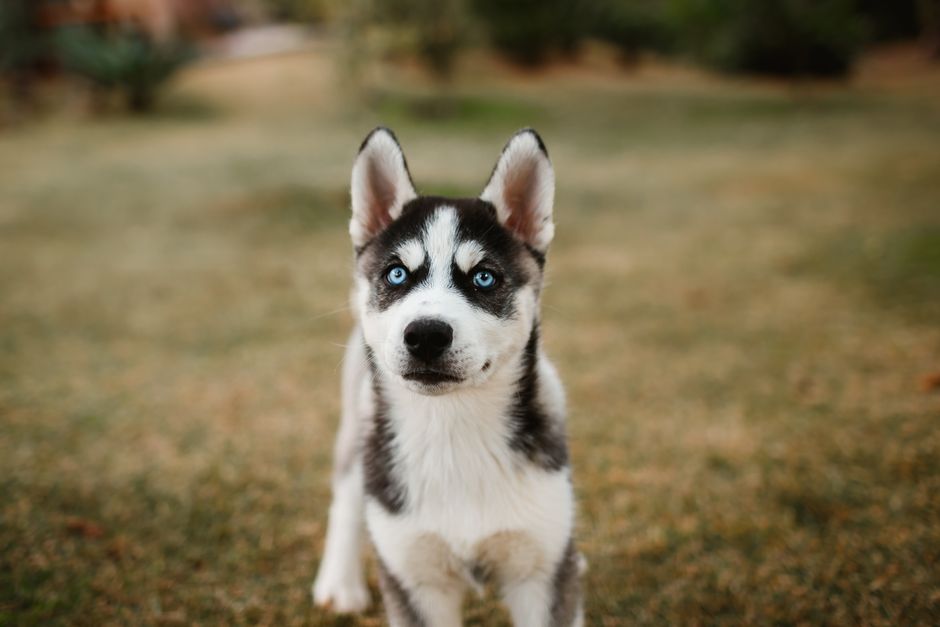
One of the most charming features of a Siberian Husky is their erect, triangular ears. As a puppy owner, you may be anxiously waiting for those floppy ears to stand up. This comprehensive guide will walk you through everything you need to know about husky puppy ear development, from typical timelines to tips for supporting healthy ear carriage.
Understanding the Husky Ear
Siberian Huskies are known for their erect ears, which are a breed standard. The ear cartilage in puppies is soft and flexible at birth, gradually hardening over the first few months. The process of ears standing up is a natural part of growth and varies from puppy to puppy.
When Do Husky Puppy Ears Stand Up?
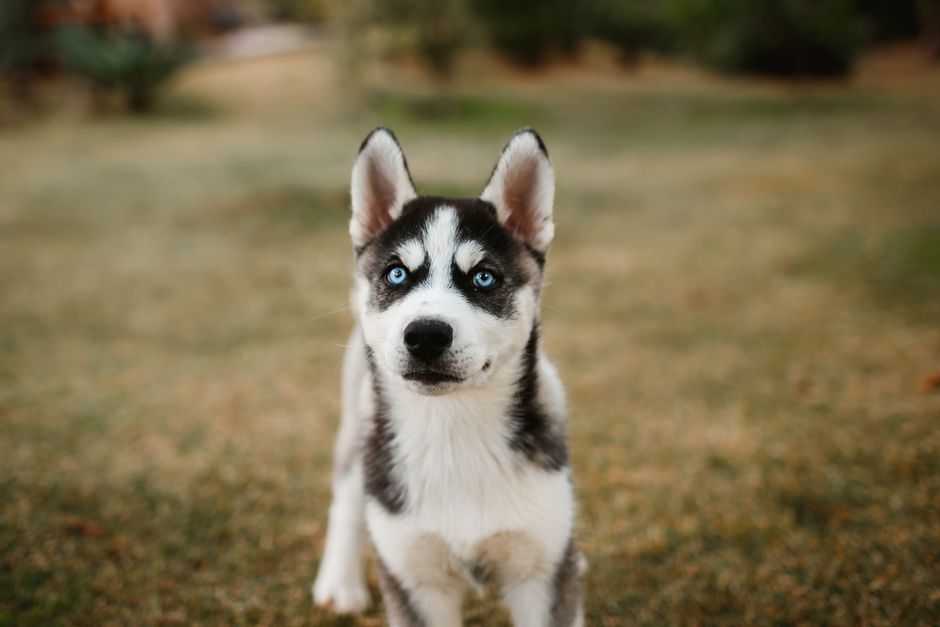
Most husky puppies will have their ears fully erect by 8 to 12 weeks of age. However, it's not uncommon for ears to take up to 5 or 6 months to stand up permanently. The timeline includes:
- Birth to 4 weeks: Ears are completely floppy and soft.
- 4 to 8 weeks: Ears may start to lift at the base, often one ear before the other. They may go up and down during teething.
- 2 to 4 months: Most puppies have both ears at least partially up. Some may have one ear up and one down (often called "airplane ears" or "one up, one down").
- 4 to 6 months: The ears should be fully erect and strong. If not, environmental or nutritional factors may be at play.
Factors Affecting Ear Development
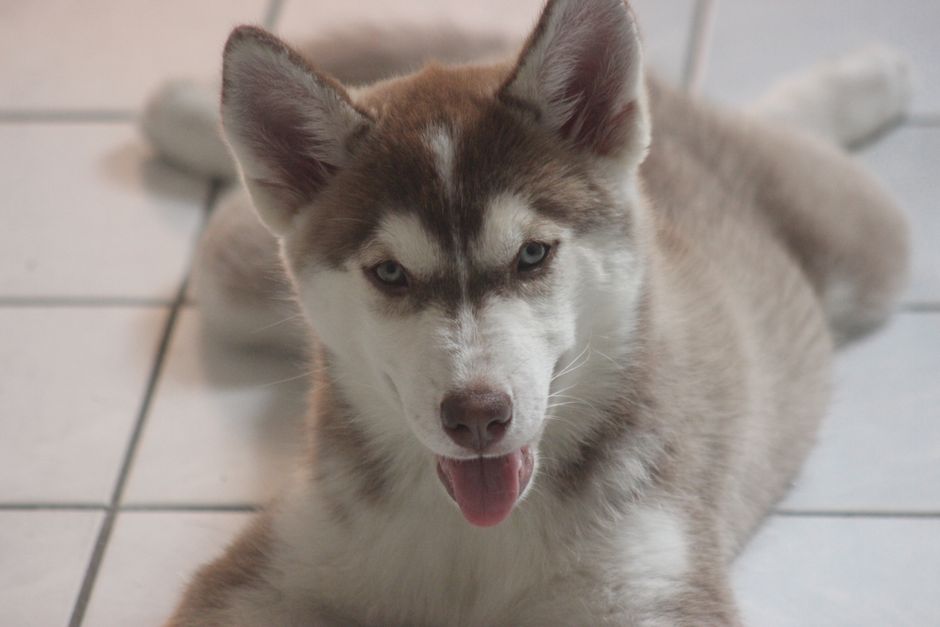
Several factors influence when and if a husky puppy's ears stand up:
- Genetics: Bloodlines with strong ear carriage typically produce puppies with erect ears earlier.
- Nutrition: Proper levels of protein, calcium, phosphorus, and other minerals are important for cartilage health.
- Teething: During teething (4-6 months), the ear muscles and cartilage are under stress as the puppy grows new teeth, sometimes causing temporary drooping.
- Rough play: Excessive ear pulling or rough handling can damage the cartilage.
How to Help Your Husky Puppy's Ears Stand Up
Provide a Balanced Diet
Feed high-quality puppy food with adequate protein (22-32%) and balanced minerals. Consult your vet for specific recommendations. Avoid over-supplementing calcium as it can cause skeletal issues.
Encourage Chewing
Chew toys like bully sticks, rubber toys, or frozen carrots help strengthen the jaw and ear muscles. The chewing motion works the muscles at the base of the ears, promoting blood flow and strong cartilage.
Gentle Massage
Massaging the base of the ears gently for a few minutes daily can stimulate blood flow. Be careful not to bend or force the ears up.
Be Patient
Rushing the process can cause damage. Avoid taping or gluing ears unless advised by a vet or breeder. In most cases, ears will stand up with time.
Common Ear Problems in Husky Puppies
- Ear infections: Droopy ears can trap moisture and debris. Keep ears clean and dry.
- Hematomas: A blood blister from trauma; requires vet attention.
- Allergies: Food or environmental allergies can cause ear inflammation and drooping.
When to Consult a Vet
If your husky puppy is over 6 months old and both ears remain floppy, or if you notice swelling, discharge, or pain, see a veterinarian. A vet can rule out underlying issues like ear infections, cartilage malformations, or nutritional deficiencies.
| Age | Expected Ear Status | Action |
|---|---|---|
| 2-3 months | One or both ears lifting | Monitor, provide good nutrition |
| 4-5 months | Ears may go up/down during teething | Encourage chewing, be patient |
| 6 months+ | Should be fully erect | Consult vet if not |
Conclusion
Watching your husky puppy’s ears transition from floppy to erect is an exciting journey. While most ears stand up by 3 months, delays are common and often resolve naturally. Focus on a healthy diet, appropriate chew toys, and gentle care. If concerns persist beyond 6 months, seek veterinary advice. Remember, every puppy develops at their own pace—patience is key.
Recommended Products for Your Husky
As an Amazon Associate, we earn from qualifying purchases. Learn more.
- Puppy Starter Kit — Check price on Amazon
- Puppy Crate — Check price on Amazon
- Puppy Toys — Check price on Amazon
Frequently Asked Questions
How do I socialize a Husky puppy?
Expose them to sounds, surfaces, people, and calm dogs before 16 weeks. Positive experiences now prevent fear later.
What should I feed a Husky puppy?
A large-breed puppy formula with controlled calcium supports steady growth and lowers dysplasia risk.
When should I spay or neuter?
Many vets suggest 6–12 months for Huskies to protect joint and hormone development. Discuss timing with your vet.
Editor's Note
We've found puppy-proofing saves more than shoes—it saves vet bills. Locked cabinets, cord covers, sago palm removed. The households we set up right in week one never had the ingestion scares the others did.
Sources & Further Reading
HuskySpot researches each topic against recognized breed and veterinary authorities. The following organizations inform our content: