Siberian Husky puppies are famous for their striking blue eyes, but many owners are surprised when those baby blues start to change. Understanding the husky puppy eye color change process is key to knowing what to expect as your pup grows. This guide covers everything from the timeline and genetics to practical tips for monitoring eye color development.
When Do Husky Puppy Eye Colors Change?
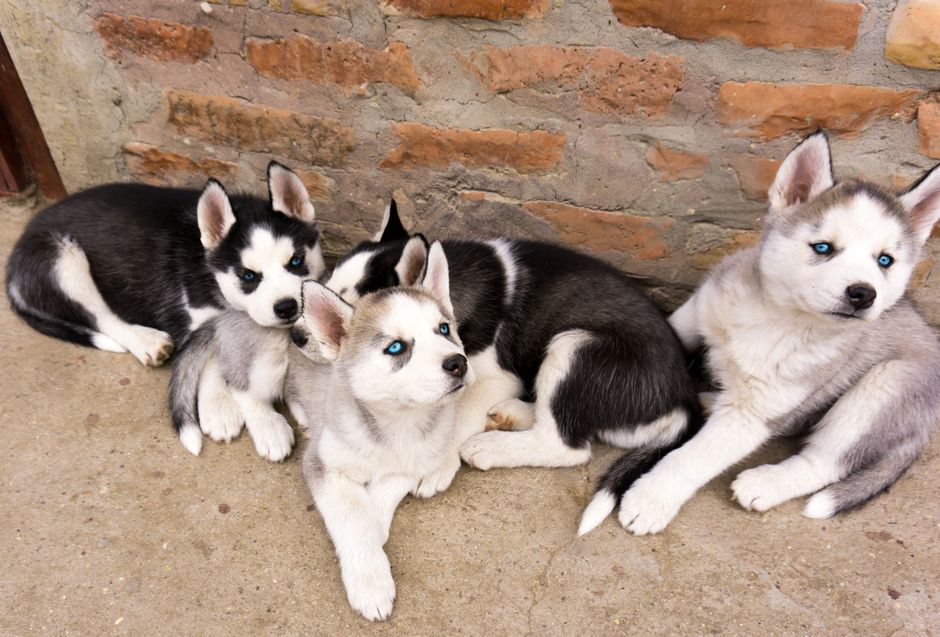
Husky puppies are born with their eyes closed. At around 10–14 days old, they open their eyes, which initially appear a hazy, milky blue. True eye color development begins later. The most significant changes happen between 3 and 8 weeks of age. By the time a puppy is 8 weeks old, you may start to see hints of brown, green, or amber. However, the final eye color may not be fully set until 12–16 weeks, sometimes even longer.
Timeline of Eye Color Change
| Age | Eye Color Stage |
|---|---|
| Birth–2 weeks | Eyes closed; no visible color |
| 2–4 weeks | Eyes open; hazy blue-gray |
| 4–8 weeks | Color begins to shift; brown flecks may appear |
| 8–12 weeks | Dramatic changes; final color becoming evident |
| 12–16 weeks | Most colors stabilize; minor shifts possible until 6 months |
The Genetics Behind Husky Eye Color
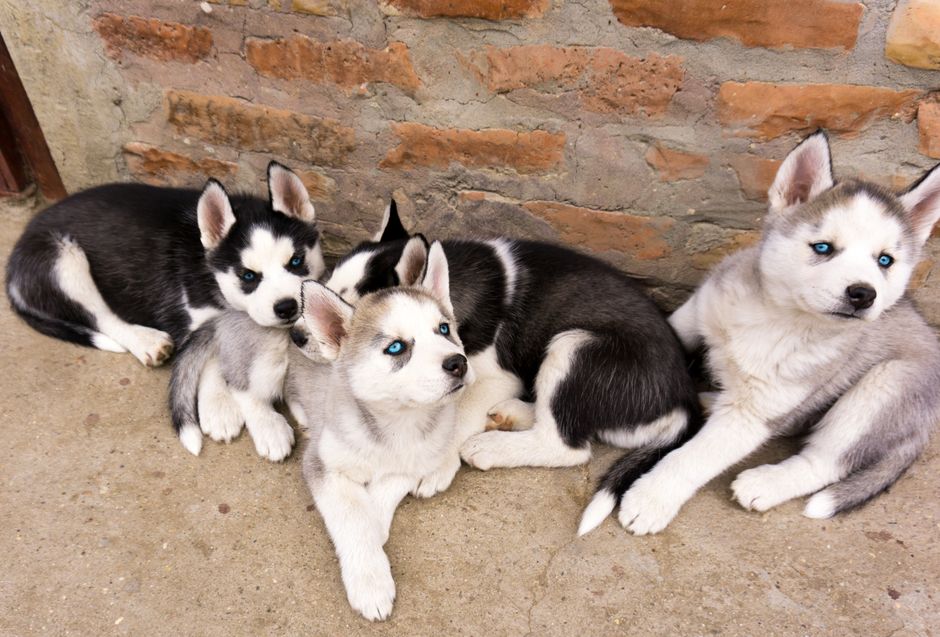
Siberian Huskies have a unique genetic makeup that allows for a wide range of eye colors. The primary gene involved is the ALX4 gene, which influences pigmentation. Unlike many breeds, huskies can have blue eyes, brown eyes, green eyes, amber, or even bi-colored or parti-colored eyes.
- Blue eyes: Caused by a lack of pigment in the iris; the blue color is due to light scattering (similar to the sky).
- Brown eyes: Result from melanin production; the more melanin, the darker the brown.
- Heterochromia: Two different colored eyes; common in huskies and not a defect.
- Parti-colored eyes: A single eye with two colors (e.g., half blue, half brown).
Eye color change in husky puppies is driven by the gradual activation of melanocytes (pigment-producing cells). If these cells produce melanin in the iris, the eyes will darken. If not, the blue color remains.
Common Eye Color Changes in Siberian Huskies
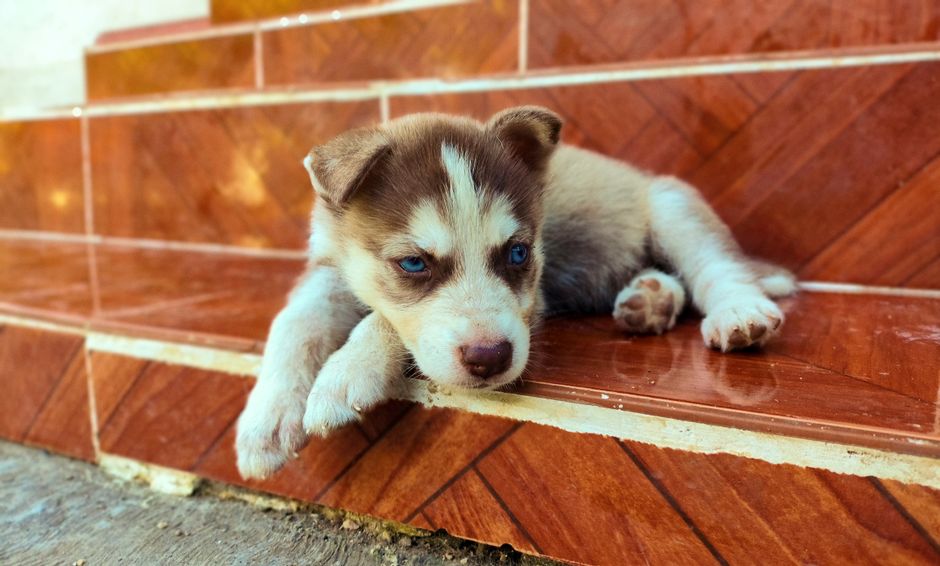
Many husky puppies start with blue eyes that turn to brown, amber, or green. Others keep their blue eyes for life. Some common patterns include:
- Blue to Brown: The most frequent change; eyes darken from the inside out or in patches.
- Blue to Green: Less common; eyes take on a greenish hue as melanin increases slightly.
- Blue to Amber: A golden or honey color, often seen in dogs with liver (chocolate) coats.
- Permanent Blue: Some huskies retain their blue eyes, especially those with a white or gray coat.
- Bi-colored Eyes: One eye blue, the other brown (heterochromia).
- Parti-colored Eyes: A single eye with a mix of blue and brown.
How to Predict Your Husky Puppy's Adult Eye Color
While not foolproof, these tips can help you guess what color your husky's eyes will end up:
- Look at the parents: If both parents have brown eyes, the puppy is likely to have brown eyes. If one or both have blue, the puppy may keep blue.
- Observe early signs at 4–6 weeks: Brown flecks or a golden ring around the pupil often indicate darkening.
- Check coat color: Red or copper huskies often have amber eyes; black and white huskies may have brown or blue.
- Take weekly photos: Compare eye color over time to spot subtle changes.
Remember: eye color can continue to shift slightly until the puppy is 4–6 months old, so be patient.
Are Eye Color Changes a Sign of Health Problems?
In most cases, eye color change is completely normal. However, sudden changes after 6 months or accompanied by discharge, redness, or squinting could indicate an issue. Conditions like uveitis, corneal ulcers, or glaucoma can alter eye appearance. Always consult a veterinarian if you notice any of these signs.
- Cloudiness or white film over the eye (cataracts or nuclear sclerosis).
- Uneven pupil size or sudden onset of heterochromia.
- Excessive tearing or squinting.
Tips for Monitoring Eye Color Development
To track your husky puppy's eye color change, follow these practical tips:
- Use natural light: Photograph your puppy in the same lighting each week to avoid color distortion.
- Ask the breeder: They may have observed eye color patterns in previous litters.
- Don't panic: Temporary asymmetry is normal; final color often evens out.
- Keep a journal: Note any flecks, rings, or shifts in hue.
Frequently Asked Questions
Can a husky's eye color change after they are an adult?
Once a husky is over 6 months old, permanent eye color change is rare. However, aging can cause slight lightening or cloudiness.
Do huskies with blue eyes have more health problems?
No. Blue eyes are not linked to health issues in Siberian Huskies, unlike in some other breeds (e.g., merle dogs).
What is the rarest eye color in huskies?
Green is the rarest. Many huskies described as 'green' actually have a light amber or hazel hue.
Are all husky puppies born with blue eyes?
Yes, all puppies are born with blue-gray eyes because melanin hasn't developed yet. The color may change or stay.
Conclusion
The husky puppy eye color change is a fascinating journey that reflects your dog's unique genetics. Whether your pup ends up with piercing blue, warm brown, or striking heterochromatic eyes, each eye color is beautiful in its own way. Enjoy watching the transformation, and a healthy, happy husky is what matters most.
Recommended Products for Your Husky
As an Amazon Associate, we earn from qualifying purchases. Learn more.
- Puppy Starter Kit — Check price on Amazon
- Puppy Crate — Check price on Amazon
- Puppy Toys — Check price on Amazon
Editor's Note
We've found puppy-proofing saves more than shoes—it saves vet bills. Locked cabinets, cord covers, sago palm removed. The households we set up right in week one never had the ingestion scares the others did.
Sources & Further Reading
HuskySpot researches each topic against recognized breed and veterinary authorities. The following organizations inform our content: