Why Adopt a Husky Puppy?
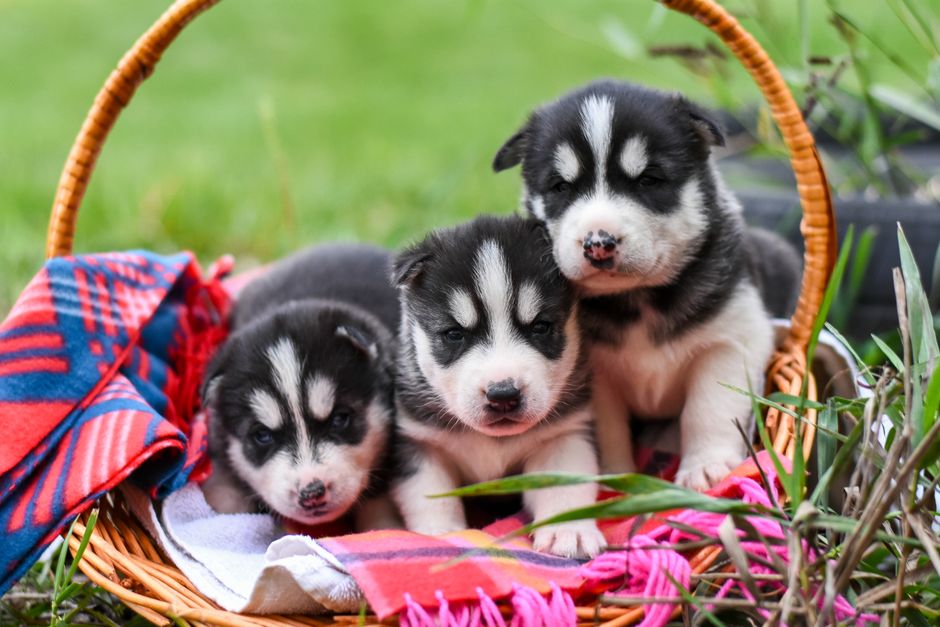
Adopting a Siberian Husky puppy is an exciting journey, but it requires careful consideration. Huskies are intelligent, energetic, and loyal dogs, but they also come with specific needs. Whether you choose a rescue or a reputable breeder, adoption gives a puppy a loving home. This guide covers everything you need to know before bringing a Husky puppy into your life.
Finding a Reputable Source
Rescue Organizations
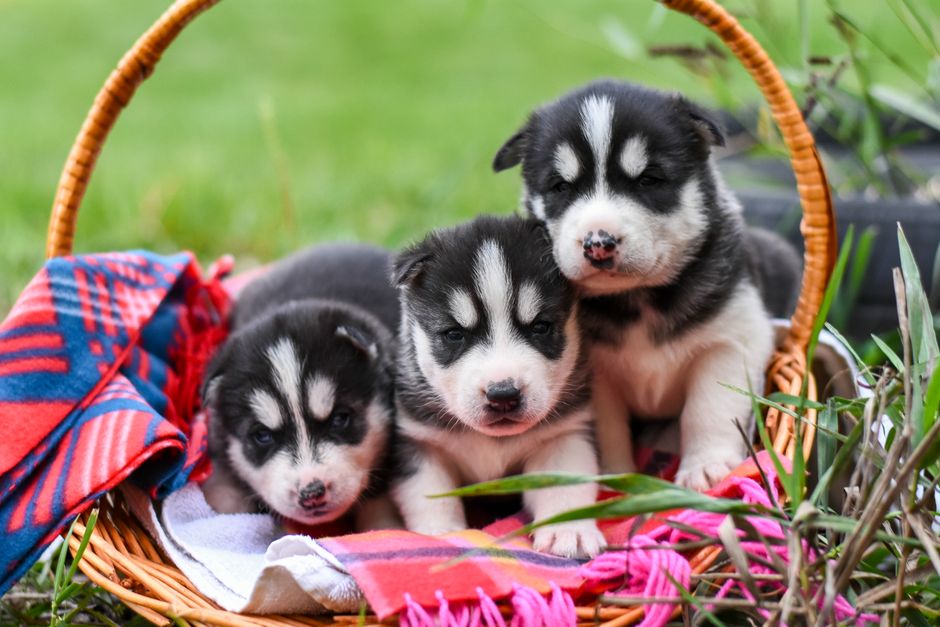
Many Huskies end up in shelters due to owner misunderstanding of their needs. Adopting from a rescue saves a life and often includes initial vet care. Look for breed-specific rescues like Siberian Husky Rescue groups.
Responsible Breeders
If you choose a breeder, ensure they perform health tests (hip dysplasia, eye disorders), allow visits, and prioritize puppy temperament. Avoid pet stores and online sellers with no transparency.
Preparing Your Home
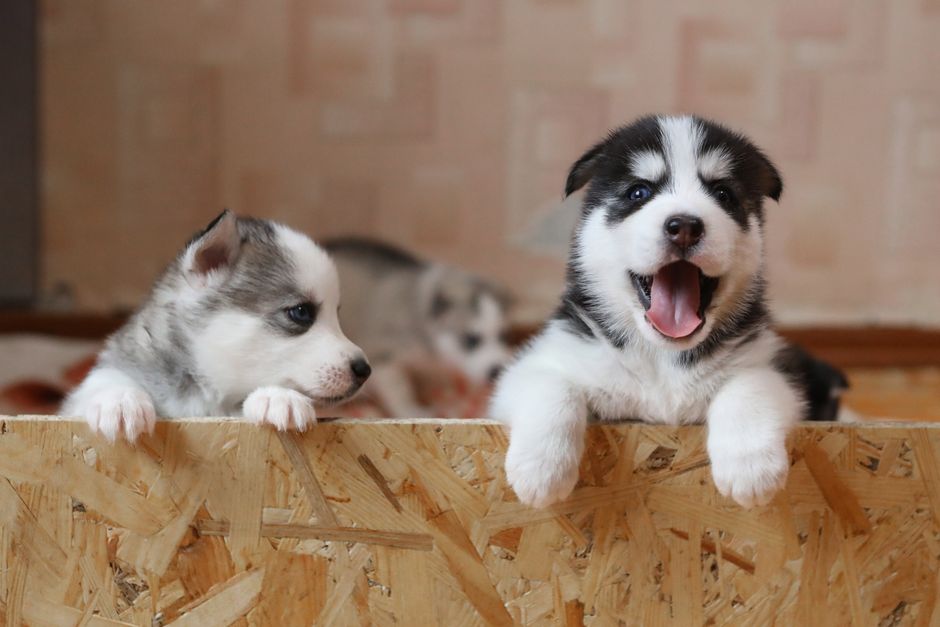
Huskies are escape artists! Secure your yard with 6-foot fences buried underground to prevent digging. Puppy-proof electrical cords, shoes, and small objects. Set up a designated space with a crate, bed, and toys.
| Item | Purpose |
|---|---|
| Crate | Safe den for sleep and training |
| Chew toys | Satisfy teething needs |
| Puppy pads | Indoor potty training |
| Food/water bowls | Stainless steel preferred |
The Cost of Adoption
Adoption fees range from $50–$500 from shelters, while breeders charge $1,000–$3,000. Monthly expenses include high-quality food ($50–$100), vet checkups, grooming, and training classes. Prepare for unexpected medical costs.
First Weeks with Your Husky Puppy
Bonding and Routine
Establish a consistent schedule for feeding, potty breaks, and sleep. Use positive reinforcement for good behavior. Gradually introduce your puppy to new people and environments.
Potty Training
Take your puppy out every 2–3 hours, after meals, and naps. Reward immediately when they eliminate outside. Crate training helps prevent accidents indoors.
Training and Socialization
Huskies are intelligent but stubborn. Enroll in a puppy class for basic commands (sit, stay, come). Expose your puppy to various sounds, surfaces, and friendly dogs. Avoid harsh corrections; use treats and praise.
- Start training at 8 weeks old
- Use short sessions (5–10 minutes)
- Socialize with at least 100 people and dogs before 16 weeks
Feeding Your Husky Puppy
Feed a high-quality puppy food with 22–32% protein. Divide daily portions into 3–4 meals. Avoid overfeeding; Huskies are prone to obesity. Provide fresh water always.
Health Considerations
Common issues include hip dysplasia, eye problems (cataracts, PRA), and allergies. Schedule vet visits for vaccinations, preventatives, and a spay/neuter discussion. Keep an eye on weight and joint health.
Exercise Needs
Huskies require at least 1 hour of vigorous exercise daily. Boredom leads to destructive behavior. Provide interactive toys, puzzle feeders, and supervised off-leash time in secure areas. Never trust a Husky off-leash near roads.
Grooming Tips
Brush your Husky 2–3 times weekly; daily during shedding seasons. Use an undercoat rake. Bathe every 6–8 weeks with deshedding shampoo. Trim nails monthly and clean ears.
Common Mistakes to Avoid
- Underestimating their need for exercise
- Skipping obedience training
- Leaving them alone for long hours
- Neglecting mental stimulation
Is a Husky Right for You?
Assess your lifestyle: Do you have time for daily runs? A secure yard? Patience for training? If yes, a Husky puppy will bring joy and companionship. If not, consider a lower-energy breed.
Recommended Products for Your Husky
As an Amazon Associate, we earn from qualifying purchases. Learn more.
- Puppy Starter Kit — Check price on Amazon
- Puppy Crate — Check price on Amazon
- Puppy Toys — Check price on Amazon
Final Thoughts
Adopting a Husky puppy is a long-term commitment (12–15 years). With proper preparation, training, and love, your Husky will become a loyal family member. Start your journey today by contacting local rescues or breeders.