Understanding Your Husky Puppy's Exercise Needs
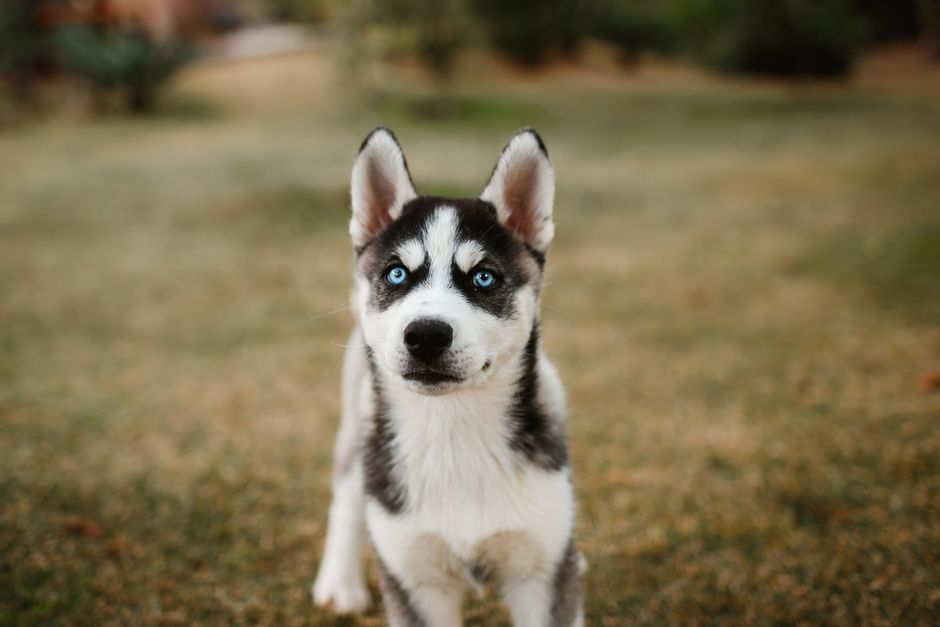
Husky puppies are bundles of energy wrapped in fluffy fur. Bred to pull sleds across vast frozen landscapes, the Siberian Husky is a working breed that requires substantial physical and mental stimulation from an early age. Under-exercising a husky puppy can lead to destructive behaviors, obesity, and a frustrated dog. However, over-exercising can damage developing joints. This guide provides a balanced approach to meeting your husky puppy's exercise needs safely.
Why Exercise Is Crucial for Husky Puppies
Exercise does more than tire out your puppy. It builds strong muscles and bones, supports healthy weight management, improves cardiovascular health, and provides essential mental stimulation. A well-exercised husky puppy is calmer, more trainable, and less likely to develop behavioral issues like chewing, digging, or excessive barking. Regular exercise also strengthens the bond between you and your puppy.
Physical Development Considerations
Husky puppies grow rapidly during the first year. Their growth plates – soft areas at the ends of long bones – don't fully close until 12-18 months of age. High-impact activities like running on hard surfaces, jumping, or forced exercise (e.g., running alongside a bicycle) can damage these plates, leading to lifelong joint problems. Therefore, exercise should be low-impact and puppy-appropriate.
How Much Exercise Does a Husky Puppy Need?
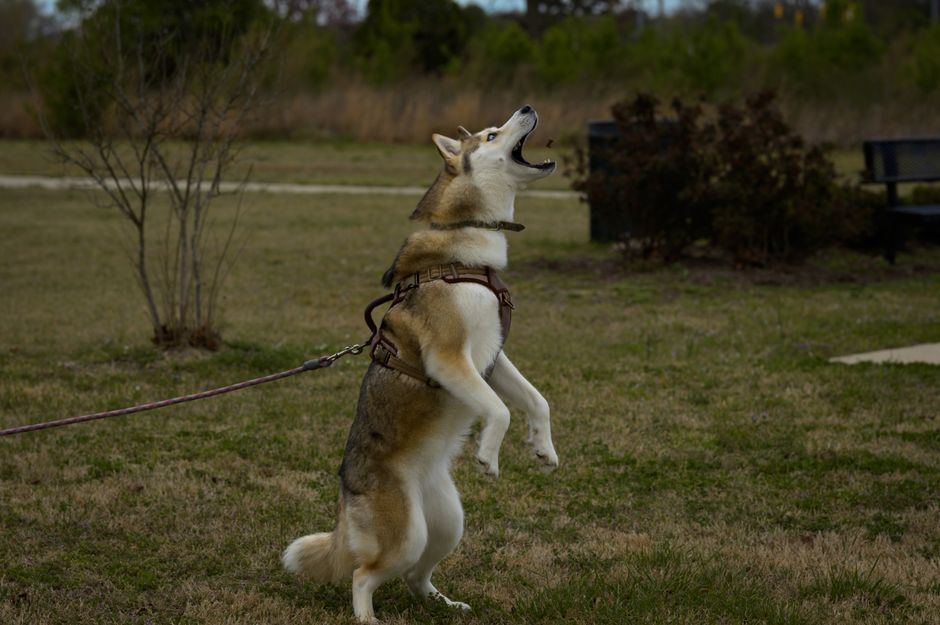
A general rule of thumb is 5 minutes of structured exercise per month of age, twice a day. For example, a 3-month-old husky puppy needs about 15 minutes of structured exercise twice daily. This does not include free play or potty breaks. As your puppy grows, gradually increase the duration. By 6 months, aim for 30 minutes per session twice daily. At 12 months, your young adult husky can handle 45-60 minutes of exercise twice daily.
| Age | Structured Exercise per Session | Daily Sessions | Total Daily Exercise |
|---|---|---|---|
| 2 months | 10 minutes | 2 | 20 minutes |
| 3 months | 15 minutes | 2 | 30 minutes |
| 4 months | 20 minutes | 2 | 40 minutes |
| 6 months | 30 minutes | 2 | 60 minutes |
| 9 months | 40 minutes | 2 | 80 minutes |
| 12 months | 45-60 minutes | 2 | 90-120 minutes |
Remember: every puppy is individual. Adjust based on your puppy's energy level, breed lines, and health. Watch for signs of fatigue like lagging behind, lying down, or heavy panting – stop and rest.
Best Types of Exercise for Husky Puppies
1. Short Walks on Soft Surfaces
Walking is a foundational exercise. Use a harness to protect the neck. Choose grass, dirt, or sand trails over concrete or asphalt to reduce impact. Let your puppy sniff and explore – this provides mental enrichment.
2. Off-Leash Play in a Secure Area
If you have a fenced yard or visit a puppy-safe dog park, off-leash play allows your husky to run and burn energy naturally. Supervise closely and ensure the area is escape-proof – huskies are notorious escape artists.
3. Interactive Games
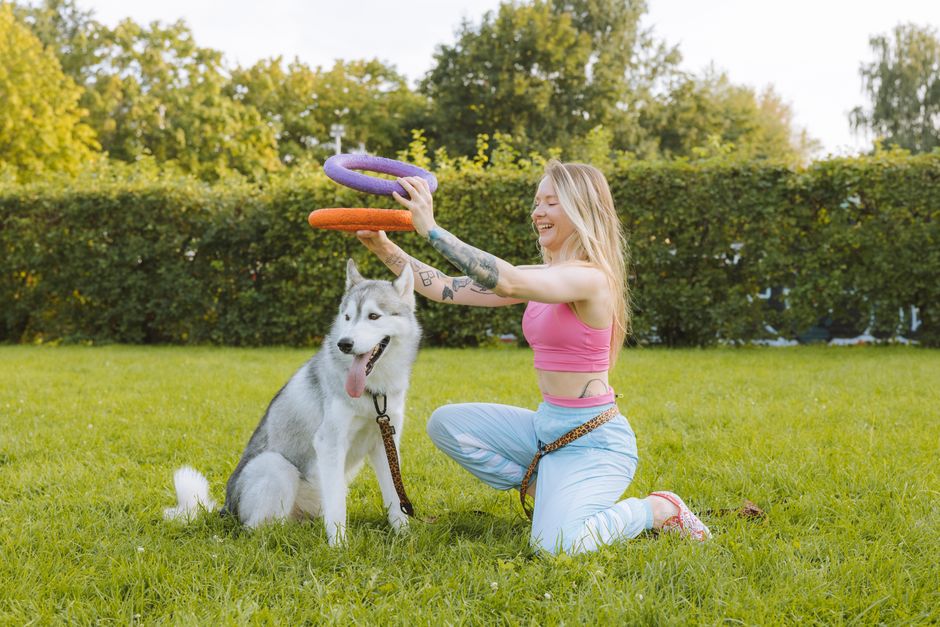
Games like fetch, tug-of-war, and hide-and-seek engage both body and mind. Use soft toys for fetch to avoid joint strain. Tug-of-war can be a great controlled workout, but teach your puppy to release on command.
4. Puppy Socialization and Playdates
Playing with other vaccinated, well-mannered puppies provides exercise and teaches social skills. Arrange playdates with dogs of similar size and energy.
5. Mental Exercise
Physical exercise alone isn't enough. Huskies are intelligent and need mental challenges. Use puzzle toys, snuffle mats, training sessions, or nose work games. A tired mind is just as important as a tired body.
Exercise Safety Tips for Husky Puppies
- Avoid extreme weather: Huskies love cold but can overheat easily. Exercise during cooler parts of the day in summer. In winter, be mindful of ice and salt on paws.
- Keep your puppy hydrated: Offer water before, during (if long), and after exercise.
- Watch for signs of overexertion: Excessive panting, drooling, stumbling, or reluctance to move means stop.
- No forced running or jumping: Avoid jogging with your puppy until they are at least 12 months old. Keep jumps low and limited.
- Use proper equipment: A well-fitting harness and a sturdy leash (no retractable leashes for training).
- Gradually increase intensity: Follow the 5-minute rule and let your puppy set the pace.
Signs Your Husky Puppy Is Getting Enough Exercise
A well-exercised husky puppy will be calm and content indoors, sleep soundly, show an appetite, and be eager to engage in training without hyperactivity. If your puppy is destructive, hyperactive, or has trouble settling, they may need more exercise or mental stimulation. Conversely, if your puppy is constantly exhausted, limping, or reluctant to move, they may be getting too much.
Common Exercise Mistakes Owners Make
- Over-exercising too early: Pushing a puppy too hard can cause joint damage.
- Only physical exercise: Neglecting mental stimulation leads to boredom and behavior issues.
- Inconsistent routine: Huskies thrive on routine. Irregular exercise can cause anxiety.
- Using hard surfaces: Running on pavement is hard on young joints; choose softer terrain.
- Ignoring heat sensitivity: Huskies have double coats and can overheat quickly.
Sample Daily Exercise Routine for a 4-Month-Old Husky Puppy
- Morning (7 am): 10-minute walk around the block + 10 minutes of fetch in the yard.
- Midday (12 pm): 15-minute training session (mental exercise) + 5 minutes of tug.
- Afternoon (5 pm): 15-minute walk on a soft trail + 10 minutes of off-leash play.
- Evening (8 pm): 10-minute gentle play or puzzle toy session.
- Total: 40 minutes structured + additional free play and enrichment.
Adjusting Exercise as Your Husky Grows
From 12 to 18 months, gradually increase exercise duration and intensity. After growth plates close, you can introduce running, biking (with a proper attachment), and longer hikes. Always warm up with a walk before vigorous activity. Adult huskies generally need at least 1-2 hours of exercise daily. Continue mental stimulation throughout life.
Recommended Products for Your Husky
As an Amazon Associate, we earn from qualifying purchases. Learn more.
- Puppy Starter Kit — Check price on Amazon
- Puppy Crate — Check price on Amazon
- Puppy Toys — Check price on Amazon
Final Thoughts
Meeting your husky puppy's exercise needs is a balancing act. Provide safe, age-appropriate activities that challenge both body and mind. Pay attention to your puppy's cues and adjust accordingly. With the right amount of exercise, your husky will grow into a healthy, well-behaved, and happy adult dog.