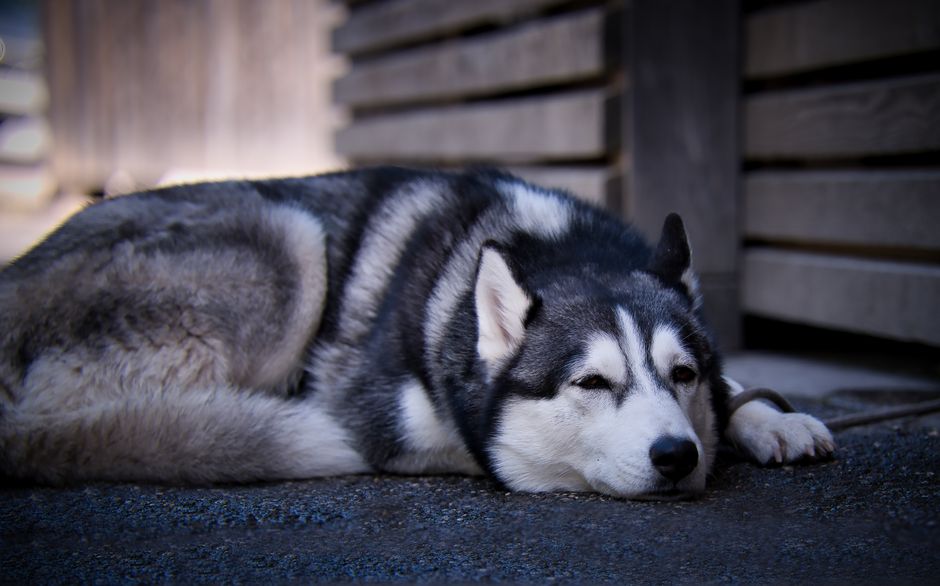
Understanding Lethargy in Siberian Huskies
Lethargy is more than just tiredness; it's a noticeable lack of energy and enthusiasm. While Huskies are known for their high energy, occasional laziness is normal. But persistent lethargy can signal an underlying health issue. This guide explores common causes and provides practical steps to help your husky feel better.

Common Causes of Lethargy in Siberian Huskies
Dehydration
Huskies need constant access to fresh water. Dehydration leads to low energy, dry gums, and sunken eyes. Ensure your husky drinks enough, especially after play or in hot weather. Add wet food or ice cubes to encourage hydration.
Poor Nutrition or Diet Issues
A balanced diet is crucial. Low-quality food or lack of essential nutrients can cause lethargy. Check for protein, fat, and vitamin levels. Sudden diet changes may also upset digestion. Slowly transition foods over a week.
Overexercise or Understimulation
Huskies require daily exercise but overdoing it leads to exhaustion. Conversely, boredom from lack of mental or physical activity can make them seem lethargic. Aim for 1-2 hours of exercise plus interactive games.
Infections
Infections like parvovirus, kennel cough, or tick-borne diseases can cause fever and lethargy. Other symptoms include vomiting, diarrhea, coughing. Vaccinate and avoid contact with sick dogs.
Parasites
Intestinal worms (hookworms, roundworms) or external parasites (fleas, ticks) sap energy. Check stool for worms, and use vet-recommended preventatives. Signs include weight loss, dull coat, and scratching.
Hypothyroidism
An underactive thyroid is common in Huskies. It slows metabolism, causing weight gain, hair loss, and lethargy. Diagnosis via blood test; treatment is daily medication.
Arthritis or Joint Pain
Older Huskies may develop hip dysplasia or arthritis. They may be less active, stiff after rest, or limp. Weight management, joint supplements, and vet-prescribed pain relief help.
Anemia
Anemia from blood loss, poor diet, or disease reduces oxygen delivery. Pale gums, rapid breathing, and weakness accompany lethargy. Vet may recommend iron supplements or treat underlying cause.
Heart Problems
Heart disease (e.g., dilated cardiomyopathy) reduces stamina. Coughing, fainting, or swollen belly may be present. Early detection with echocardiogram can improve outcome.
Poisoning
Ingesting toxic substances like chocolate, xylitol, or plants causes sudden lethargy, vomiting, or seizures. Immediate vet care is critical. Keep dangerous items out of reach.
Stress or Anxiety
Changes in routine, new pets, or loud noises can stress huskies. They may hide, lose appetite, and seem lethargic. Provide a safe space, use calming aids, and maintain routine.

When to See a Vet
Seek veterinary help if lethargy lasts more than 24 hours or is accompanied by any of these red flags:
- Refusal to eat or drink
- Vomiting or diarrhea
- Difficulty breathing
- Sudden collapse or seizures
- Pain or limping
- High fever (over 103°F)
- Blood in stool or urine
Early intervention improves outcome.
How to Help a Lethargic Husky at Home
If the cause is mild (e.g., dehydration or boredom), you can try these steps:
- Hydrate: Offer water, ice chips, or diluted low-sodium broth.
- Adjust diet: Consider adding fresh, whole foods like cooked chicken or pumpkin.
- Gentle exercise: Short, easy walks to stimulate without overdoing it.
- Check for pain: Gently palpate joints and body. If flinching, consult vet.
- Reduce stress: Keep a calm environment and stick to routine.
Always monitor closely. If condition worsens, contact your vet.
Preventing Lethargy
Regular preventive care is key:
- Quality diet: Feed a balanced, age-appropriate food.
- Routine vet visits: Annual check-ups, blood work, and dental care.
- Parasite prevention: Year-round flea/ticks and deworming.
- Exercise and mental stimulation: Consistent walks, games, and training.
- Safe environment: Remove toxic plants and secure trash.
By understanding the causes of lethargy and taking proactive steps, you can keep your Siberian Husky energetic and healthy for years to come.
Recommended Products for Your Husky
As an Amazon Associate, we earn from qualifying purchases. Learn more.
- Husky Care Essentials — Check price on Amazon
- Best-Selling Dog Gear — Check price on Amazon
- Newest Husky Products — Check price on Amazon
Frequently Asked Questions
What health problems do Huskies have?
Main concerns are hip dysplasia, eye conditions (cataracts, PRA), and hypothyroidism. Reputable breeders screen with OFA and CERF.
How often should my Husky see a vet?
Annual wellness exams for adults, twice-yearly for seniors. Puppies need a visit every 3–4 weeks for shots and checks.
How do I help prevent hip dysplasia?
Keep puppies lean during growth, avoid over-exercise on hard surfaces, and choose parents with good OFA scores.
Editor's Note
Our team has sat through enough husky eye exams to know the hereditary risks are real. We tell every owner to get a baseline ophthalmologist check early—catching corneal dystrophy at two is far cheaper than at six.
Sources & Further Reading
HuskySpot researches each topic against recognized breed and veterinary authorities. The following organizations inform our content: