As a devoted Siberian Husky owner, you know that these energetic, majestic dogs thrive with proper care. One of the most critical yet often overlooked aspects of husky health is parasite prevention. Left unchecked, parasites can cause severe discomfort, chronic illness, and even life-threatening conditions. This comprehensive guide covers everything you need to protect your husky from internal and external parasites.
Common Parasites Affecting Siberian Huskies
Huskies can be affected by a wide range of parasites. Understanding what you're up against is the first step to effective prevention.
Internal Parasites
- Heartworms – Transmitted by mosquitoes, heartworms live in the heart and lungs. They can be fatal if untreated.
- Roundworms – Common in puppies, these intestinal worms can cause diarrhea, vomiting, and a pot-bellied appearance.
- Hookworms – These blood-sucking worms attach to the intestinal wall, leading to anemia and weakness.
- Whipworms – Found in the large intestine, whipworms cause chronic diarrhea and weight loss.
- Tapeworms – Often spread by fleas or through infected prey, tapeworms are visible as rice-like segments around the anus.
External Parasites
- Fleas – Cause intense itching, allergic dermatitis, and can transmit tapeworms.
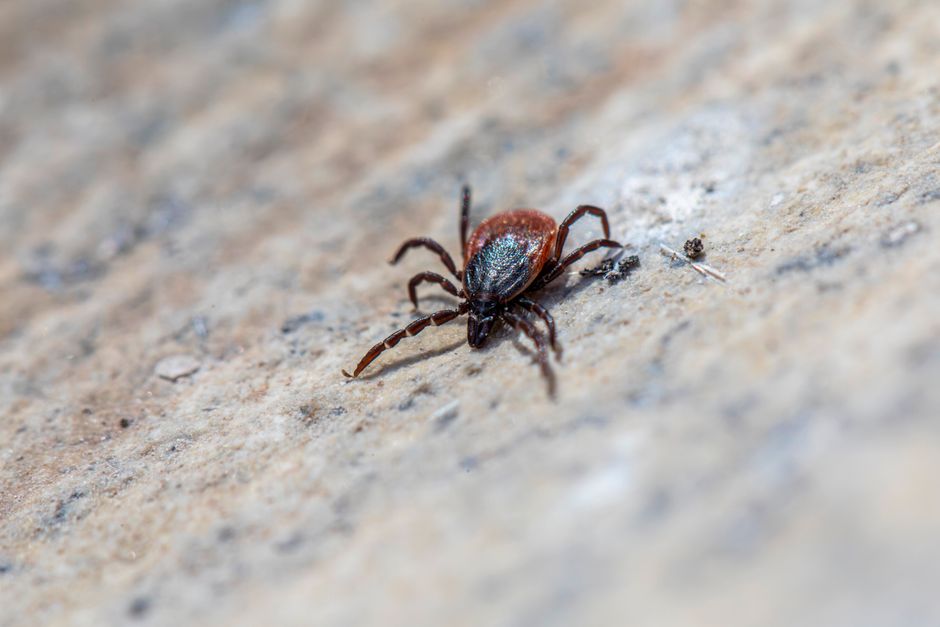
- Ticks – Carry diseases like Lyme, ehrlichiosis, and anaplasmosis. Huskies with thick coats are prime hosts.
- Mites – Cause mange (demodectic or sarcoptic) leading to hair loss and skin infections.
- Lice – Less common but cause itching and irritation.

Effective Prevention Strategies
Heartworm Prevention
Heartworm prevention is non-negotiable for huskies, even in colder months (mosquitoes can survive indoors). Monthly oral or topical medications are available. Popular options include ivermectin-based products (e.g., Heartgard) or milbemycin oxime (Interceptor). Always get a negative heartworm test before starting prevention.
Deworming Schedules
Puppies should be dewormed every 2-3 weeks until 12 weeks old, then monthly until 6 months. Adult huskies need fecal exams every 6-12 months. A broad-spectrum dewormer (e.g., fenbendazole, praziquantel) should be given based on test results. Many monthly heartworm preventives also control roundworms, hookworms, and whipworms.
Flea and Tick Control
Use veterinarian-recommended products year-round. Options include:
- Topical treatments (e.g., Frontline Plus, Advantage Multi) – Apply monthly between shoulder blades.
- Oral chews (e.g., Bravecto, NexGard) – Provide 1-3 months of protection.
- Collars (e.g., Seresto) – Offer 8 months of continuous protection.
Always choose products labeled for dogs and appropriate for your husky's weight. Avoid using dog products on cats (toxic).
Environmental Control
Keep your yard clean: mow grass, remove leaf litter, and treat with pet-safe insecticides. Wash bedding weekly in hot water. Vacuum regularly and dispose of vacuum bags. For heavy infestations, consider professional pest control.
Grooming for Parasite Detection
Brush your husky daily to check for fleas, ticks, or skin abnormalities. After walks in wooded or grassy areas, do a thorough tick check: run your fingers over the entire body, paying attention to ears, armpits, groin, and between toes. Using a flea comb can help catch early invaders.

Signs of Parasite Infestation
Watch for these symptoms and contact your vet if you notice any:
| Parasite Type | Common Signs |
|---|---|
| Heartworms | Coughing, lethargy, difficulty breathing, weight loss, fainting. |
| Intestinal Worms | Diarrhea (sometimes bloody), vomiting, pot-bellied appearance, poor coat, scooting. |
| Fleas | Excessive scratching, red bumps, hair loss, tiny black specks (flea dirt). |
| Ticks | Visible tick attached, redness, swelling, or signs of tick-borne illness (fever, joint pain). |
| Mites | Hair loss, crusty skin, intense itching, ear infections (ear mites). |
Treatment Options
If your husky tests positive for parasites, your vet will prescribe appropriate medications. Never use over-the-counter products without veterinary guidance, as incorrect dosing can be dangerous. For tapeworms, dewormers with praziquantel are needed. Heartworm treatment is intensive and includes injections (melarsomine) and strict exercise restriction. Flea and tick infestations may require multiple treatments and environmental cleanup.
Natural Remedies: Proceed with Caution
Some owners try garlic, apple cider vinegar, or herbal oils as preventives. However, scientific evidence is weak, and some substances (like garlic) can be toxic to dogs in large amounts. Always consult your vet before using natural alternatives. Stick to vet-approved preventives for reliable protection.
Year-Round Prevention Calendar
- Every Month: Apply heartworm preventive (if using a monthly product) and flea/tick treatment. Check for ticks after outdoor activities.
- Every 3–6 Months: Fecal exam when on preventive (or at least annually).
- Every 6–12 Months: Heartworm test (before renewing prescription).
- As Needed: Deworming if fecal positive; flea/tick treatment if infestation occurs.
Frequently Asked Questions
Can I skip heartworm prevention in winter?
No. Mosquitoes can survive indoors, and some areas have year-round activity. Most veterinarians recommend year-round prevention for consistent protection.
Are natural parasite preventives safe for huskies?
Some natural options have limited efficacy and may cause side effects. Always discuss with your vet before using them, and never rely solely on natural remedies in high-risk areas.
What should I do if I find a tick on my husky?
Use fine-tipped tweezers to grasp the tick as close to the skin as possible and pull straight upward without twisting. Clean the area and watch for symptoms of tick-borne disease. Save the tick for identification if needed.
Conclusion
Parasite prevention is a year-round commitment that protects your husky from pain, illness, and potential death. By combining veterinary-recommended preventives, regular grooming, environmental management, and routine health screenings, you can keep your dog healthy and happy. Remember, prevention is far safer and cheaper than treatment. Always consult your vet to tailor a plan for your husky's specific needs.
Recommended Products for Your Husky
As an Amazon Associate, we earn from qualifying purchases. Learn more.
- Husky Care Essentials — Check price on Amazon
- Best-Selling Dog Gear — Check price on Amazon
- Newest Husky Products — Check price on Amazon
Editor's Note
Our editors keep a poison cheat-sheet on the fridge: grapes, xylitol, onions, antifreeze. We've talked more than one panicked owner down from a grape incident. Knowing the number for poison control beats Googling it mid-crisis.
Sources & Further Reading
HuskySpot researches each topic against recognized breed and veterinary authorities. The following organizations inform our content: