Your Siberian Husky is built for endurance, but even the toughest dog can come up lame after a high-energy run. Limping after exercise is a common concern among Husky owners. It can range from a minor strain to a serious injury requiring immediate veterinary attention. This comprehensive guide will help you understand why your Husky is limping after running, how to assess the severity, and what steps to take for treatment and prevention.
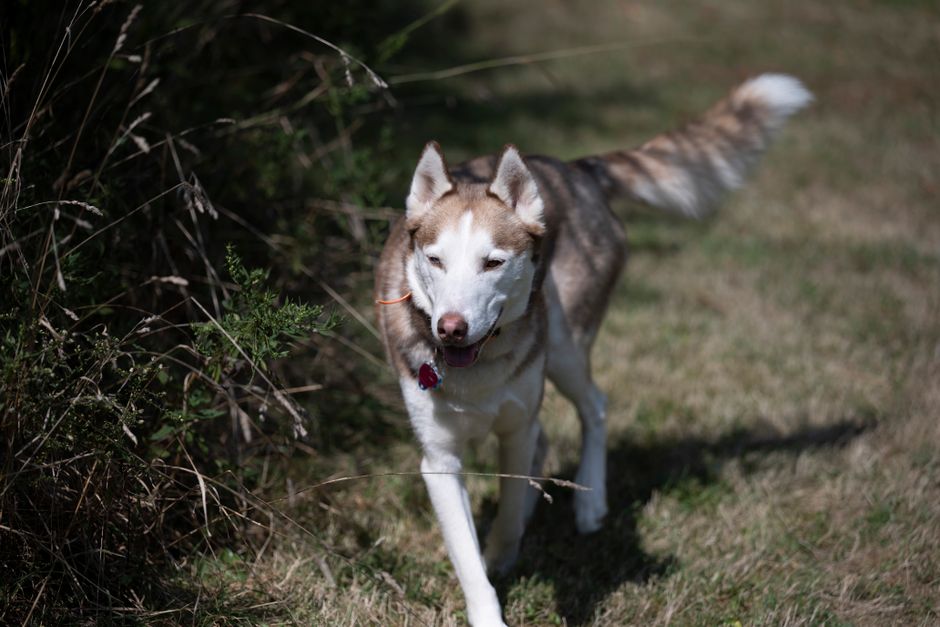
Common Causes of Limping After Running in Huskies
Huskies are active, athletic dogs, and their enthusiastic running style can lead to various injuries. Here are the most frequent reasons for post-run limping:
- Paw Pad Injuries: Running on rough terrain, hot pavement, or sharp objects can cause cuts, blisters, or burns on the paw pads.
- Muscle Strains or Sprains: Overstretching or sudden twisting can damage muscles, ligaments, or tendons, especially in the legs and hips.
- Joint Issues: Conditions like hip dysplasia, elbow dysplasia, or arthritis can flare up after intense exercise.
- Fractures or Dislocations: High-impact falls or collisions can lead to broken bones or dislocated joints.
- Nail Problems: Broken or overgrown nails can catch on the ground and cause pain.
- Foreign Objects: Thorns, glass, or grass awns embedded in the paw or skin.
- Pancake Syndrome (Panosteitis): A temporary inflammation in the long bones of growing puppies, sometimes seen in young Huskies after running.
How to Examine Your Husky at Home
Before rushing to the vet, you can perform a basic examination to identify obvious issues. Always approach your dog calmly; a limping Husky may be in pain and could react defensively.
Step 1: Observe the Limp
Watch your Husky walk and stand. Is the limp consistent or does it come and go? Note which leg is affected and whether the dog bears any weight on it. A non-weight-bearing limp (holding the leg up) signals a more serious problem, likely a fracture or dislocation.
Step 2: Check the Paw
Gently lift each paw and inspect the pads, between toes, and the nails. Look for cuts, swelling, debris, or redness. Feel for heat, which indicates inflammation.
Step 3: Feel the Legs and Joints
Starting at the top of the leg, gently run your hands down to the paw. Apply light pressure to the muscles and bones. Watch for flinching, pulling away, or vocalization. Check for swelling or abnormal lumps. Compare with the opposite leg.
Step 4: Assess Range of Motion
If your Husky tolerates it, gently flex and extend the joints (hip, knee, hock) on the affected leg. If there is resistance or pain, stop immediately. Limited range of motion may indicate a joint issue or muscle injury.
When to See the Vet Immediately
Some limps require urgent veterinary care. Contact your vet if you notice any of the following:
- Your Husky is completely non-weight-bearing on the leg.
- There is an obvious deformity, bone protrusion, or swelling.
- The limb feels hot to the touch or the dog has a fever.
- You notice deep cuts, puncture wounds, or profuse bleeding.
- Your Husky is in severe pain, crying, or unable to settle.
- The limp persists for more than 24 hours without improvement.
- Your puppy is limping after minimal activity (could be panosteitis or growth plate injury).
Treatment and Recovery at Home
For minor limps (mild sprains, sore muscles, small cuts), you can manage at home with the following steps:
- Rest: Restrict all running, jumping, and rough play for at least 48-72 hours. Use a leash for potty breaks and keep your Husky in a confined area.
- Ice: Apply an ice pack wrapped in a towel to the affected area for 10-15 minutes, 2-3 times a day to reduce inflammation.
- Clean Wounds: For cuts on the paw, gently clean with warm water and antiseptic (diluted chlorhexidine), then apply a sterile bandage. Change daily.
- Pain Relief: Never give human painkillers like ibuprofen or acetaminophen. Consult your vet for safe canine NSAIDs (e.g., carprofen).
- E-Collar: If your Husky licks the wound or joint excessively, use an Elizabethan collar to prevent irritation.
After a few days of rest, if the limp resolves, gradually reintroduce controlled leash walks. If the limp returns, consult your vet.
Veterinary Diagnosis and Treatments
If home care isn’t enough or the limp is severe, your vet will perform a thorough exam. Diagnostic tools include:
| Diagnostic Tool | What It Detects |
|---|---|
| Physical exam & palpation | Pain localization, swelling, instability |
| X-rays | Fractures, arthritis, hip/elbow dysplasia, bone tumors |
| Sedation or anesthesia | Allows detailed joint manipulation and X-rays |
| Blood tests | Rule out infections, tick-borne diseases (e.g., Lyme), or pancreatitis |
| MRI or CT scan | Soft tissue injuries (ligaments, tendons) |
Based on the diagnosis, treatments may include:
- Anti-inflammatory medications and pain relief
- Antibiotics for infections
- Surgery for fractures, cruciate ligament tears, or severe dysplasia
- Physical therapy (laser, hydrotherapy, massage)
- Joint supplements (glucosamine, chondroitin, omega-3s)
Preventing Limping After Exercise
Your Husky’s enthusiasm for running is natural, but you can reduce the risk of injury with these preventive measures:
- Warm-Up and Cool-Down: Start with a brisk leash walk for 5-10 minutes before allowing full-speed running. End with a gentle cool-down walk to prevent muscle stiffness.
- Conditioning: Gradually increase exercise duration and intensity. A sudden jump from short walks to long runs can strain muscles.
- Proper Terrain: Avoid running on hard pavement, hot surfaces, or rocky trails. Grass, dirt, and sand are easier on joints and paws.
- Paw Protection: Use dog booties for rough trails or extreme temperatures. Keep nails trimmed and pads moisturized.
- Weight Management: Excess weight puts extra stress on joints. Keep your Husky at a healthy weight.
- Joint Supplements: Consider supplements for active or senior dogs to support joint health.
- Rest Days: Schedule at least one full rest day per week to allow recovery.
Frequently Asked Questions
How long should I wait before seeing a vet?
If the limp is mild and your Husky is still putting weight on the leg, you can monitor for 24-48 hours with rest. If no improvement, or if the limp worsens, see a vet.
Can I give my Husky aspirin for limping?
No. Human NSAIDs like aspirin can be toxic to dogs. Only use vet-prescribed medications.
Is limping after running always serious?
Not always. Minor muscle soreness or small paw cuts can resolve quickly. However, persistent or severe limping should always be evaluated.
How can I tell if my Husky has a sprain or fracture?
A sprain often causes mild to moderate limping with swelling, while a fracture usually results in complete non-weight-bearing and severe pain. Only X-rays can confirm.
Should I run with my Husky if it has joint problems?
Only after consulting a vet. Low-impact exercises like walking, swimming, or hiking on soft ground may be better alternatives.
By understanding why your Husky limps after running and taking prompt action, you can help them recover quickly and continue enjoying an active life together.
Recommended Products for Your Husky
As an Amazon Associate, we earn from qualifying purchases. Learn more.
- Healthy Dog Treats — Check price on Amazon
- Dental Chews — Check price on Amazon
- Training Treats — Check price on Amazon
Editor's Note
Our editors keep a poison cheat-sheet on the fridge: grapes, xylitol, onions, antifreeze. We've talked more than one panicked owner down from a grape incident. Knowing the number for poison control beats Googling it mid-crisis.
Sources & Further Reading
HuskySpot researches each topic against recognized breed and veterinary authorities. The following organizations inform our content: