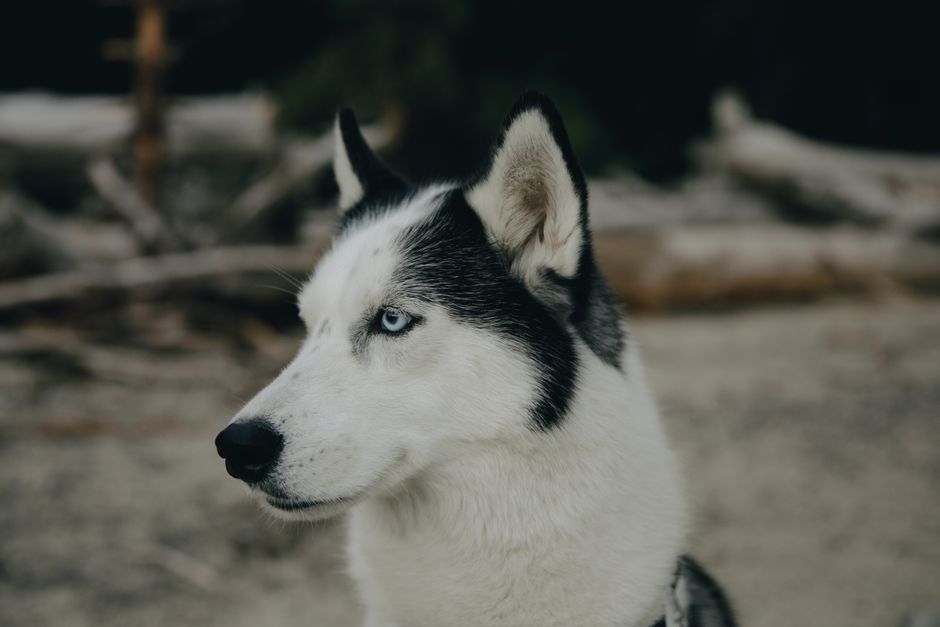
Understanding Husky Skin and Coat
The Siberian Husky is renowned for its stunning double coat, which serves as insulation against extreme temperatures. However, this unique coat also comes with specific skin care needs. Husky skin is naturally sensitive and prone to dryness, allergies, and irritation. Understanding the structure of your Husky's skin and coat is the first step to establishing an effective skin care routine.
Double Coat and Shedding
A Husky's double coat consists of a dense, soft undercoat and a longer, coarser topcoat. This combination provides protection from both cold and heat. Huskies shed heavily twice a year (blowing their coat), and regular grooming is important for remove dead hair and prevent matting. During these periods, skin can become more sensitive due to the increased hair loss.
Common Skin Issues in Huskies
Huskies are prone to several skin problems:
- Allergies: Environmental allergens (pollen, dust mites) or food allergies can cause itching, redness, and hot spots.
- Dry Skin: Cold weather, low humidity, or harsh shampoos can strip natural oils, leading to flaky, itchy skin.
- Hot Spots: Moisture trapped in the coat from swimming or bathing can create bacterial infections.
- Zinc Deficiency: Huskies have a higher requirement for zinc; deficiency leads to crusty lesions around eyes, nose, and paws.

Essential Steps in a Husky Skin Care Routine
Proper Brushing Techniques
Brushing is the cornerstone of skin care for Huskies. It removes dirt, dead hair, and distributes natural oils. Use a slicker brush and an undercoat rake. Brush at least 3-4 times a week, increasing to daily during shedding season. Always brush in the direction of hair growth, starting from the skin outward. Avoid brushing too aggressively, which can irritate the skin.
Bathing Frequency and Products
Huskies do not require frequent baths—every 2-3 months is sufficient, unless they get exceptionally dirty. Over-bathing strips natural oils. Use a mild, oatmeal-based or hypoallergenic shampoo designed for dogs. Avoid human shampoo. After bathing, rinse thoroughly and dry completely to prevent hot spots. A conditioner can help maintain moisture.
Moisturizing and Coat Care
For dry skin, consider a coconut oil or omega-3 supplement added to food. Topical moisturizers like leave-in sprays (aloe vera based) can soothe itchy areas. Never use products with artificial fragrances or alcohol. Regular grooming stimulates blood circulation, promoting healthy skin.
Diet and Nutrition for Healthy Skin
A balanced diet is vital for skin health. Huskies need high-quality protein and essential fatty acids (omega-3 and omega-6). Zinc is crucial—provide foods like fish, eggs, and organ meats or supplements. Avoid fillers like corn and wheat, which can trigger allergies. Consult your vet for specific dietary recommendations.

Seasonal Skin Care Considerations
| Season | Care Tips |
|---|---|
| Winter | Humidify indoors; use paw balm; limit bathing; check for dry skin flakes. |
| Summer | Protect from sunburn (nose, belly); watch for heat rash; frequent brushing to cool down. |
| Shedding Seasons | Extra brushing; provide zinc supplements; monitor for hot spots if skin stays damp. |
Recognizing Signs of Skin Problems
- Excessive scratching, licking, or biting
- Redness, bumps, or scabs
- Hair loss or bald patches
- Flaky dandruff or greasy skin
- Odor or discharge
- Changes in appetite or behavior
If you notice any of these, address them promptly to prevent worsening.
When to See a Vet
Some skin issues require professional diagnosis. Consult your veterinarian if:
- Your Husky has persistent itching despite home care
- There are open sores, bleeding, or signs of infection
- You suspect allergies or a deficiency
- Skin problems are accompanied by other symptoms like vomiting or lethargy
- The condition does not improve within a week
A vet can perform skin scrapes, allergy tests, or blood work to pinpoint the cause.
Regular care and attention to your Husky's skin will keep them comfortable and their coat gleaming. By combining proper grooming, nutrition, and seasonal adjustments, you can prevent many common issues. Remember, a healthy skin routine is not just about aesthetics—it's about your Husky's overall well-being.
Recommended Products for Your Husky
As an Amazon Associate, we earn from qualifying purchases. Learn more.
- Car Seat Cover — Check price on Amazon
- Dog Car Hammock — Check price on Amazon
- Seat Belt — Check price on Amazon
Frequently Asked Questions
Are Huskies prone to eye problems?
Yes — cataracts and progressive retinal atrophy occur in the breed. Annual eye exams by a veterinary ophthalmologist are wise.
How do I maintain dental health?
Brush teeth 2–3 times weekly, offer dental chews, and schedule professional cleanings. Small breeds aren't the only ones with tartar.
What flea and tick prevention is best?
Oral or topical preventives from your vet beat OTC products. Tick-borne disease is rising in many Husky-friendly climates.
Editor's Note
We've noticed senior huskies get written off too soon. The seven-year-old who 'slowed down' often just needed a joint supplement and lighter exercise, not a goodbye. Biannual checks changed outcomes for clients we manage.
Sources & Further Reading
HuskySpot researches each topic against recognized breed and veterinary authorities. The following organizations inform our content: