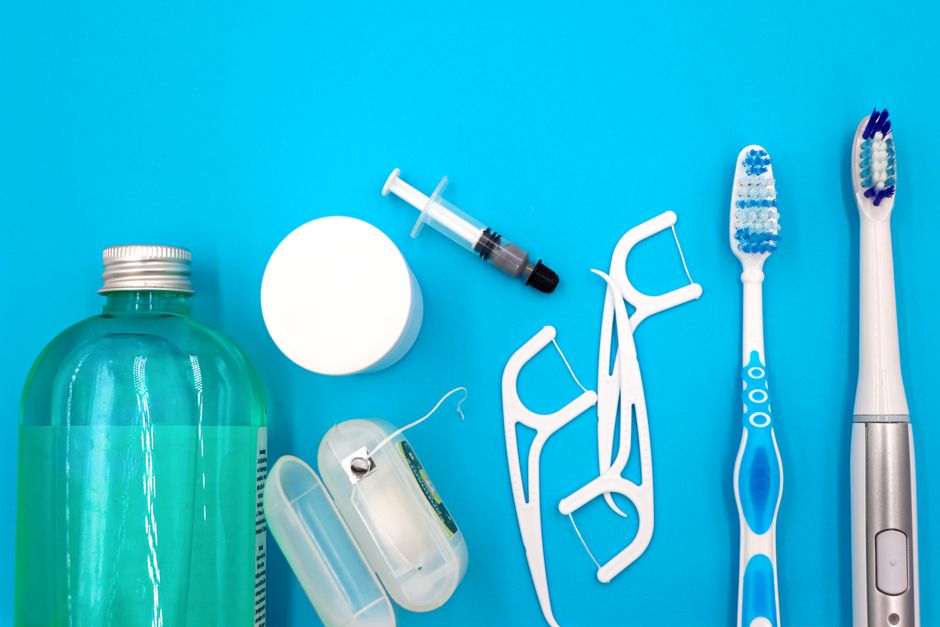
Why Dental Care Is important for Siberian Huskies
Dental health is a crucial aspect of your Siberian Husky's overall well-being. Neglecting oral hygiene can lead to periodontal disease, which affects not only the mouth but also vital organs like the heart, liver, and kidneys. Huskies are prone to dental issues due to their thick coat and tendency to chew on hard objects. Regular teeth cleaning can prevent bad breath, pain, and expensive veterinary procedures.
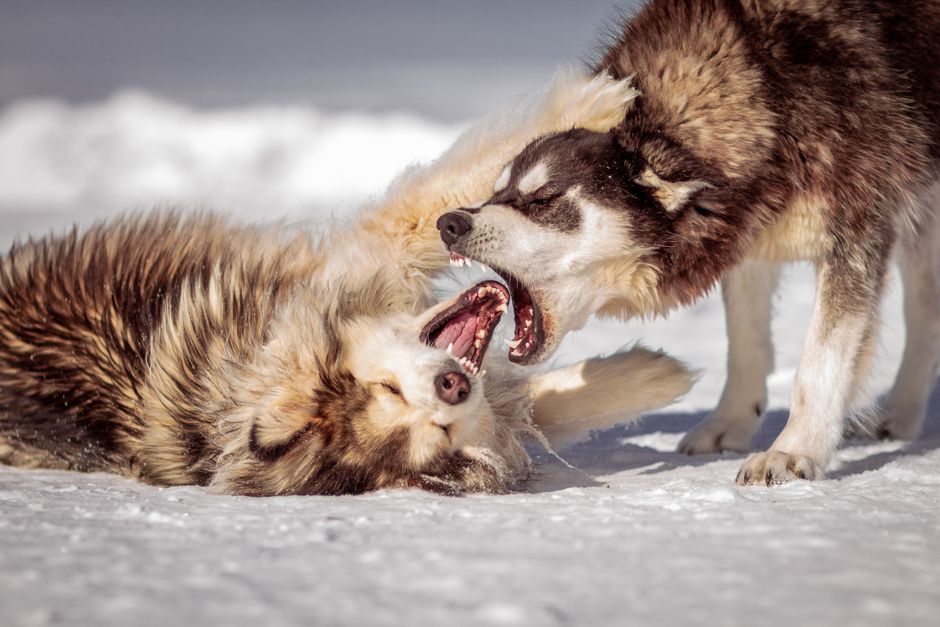
Signs of Dental Problems in Huskies
Recognizing early signs can save your Husky from discomfort. Look for:
- Bad breath (halitosis)
- Yellow or brown tartar buildup on teeth
- Red, swollen, or bleeding gums
- Difficulty eating or dropping food
- Pawing at the mouth
- Loose or broken teeth
If you notice any of these, consult your veterinarian promptly.
Tools and Products for Husky Teeth Cleaning
To clean your Husky's teeth effectively, you'll need:
- Dog-specific toothbrush: Finger brushes or angled brushes are easier to handle.
- Enzymatic toothpaste: Never use human toothpaste; it contains xylitol and fluoride that are toxic to dogs. Flavored pastes (poultry, beef) make the process more enjoyable.
- Dental wipes or pads: Useful for quick cleaning between sessions.
- Water additive: Helps reduce plaque and freshen breath.
- Dental chews and toys: VOHC-approved products can aid in mechanical cleaning.
Step-by-Step Guide to Brushing Your Husky's Teeth
Step 1: Get Your Husky Comfortable
Start by letting your Husky smell and taste the toothpaste. Rub a small amount on your finger and let them lick it. Gradually introduce the toothbrush by letting them nibble on it.
Step 2: Choose a Quiet Time
Brush after exercise when your Husky is calm. Avoid forcing the process; use positive reinforcement with treats and praise.
Step 3: Lift the Gums Gently
Lift your Husky's lips to expose the teeth. Focus on the outer surfaces (inner surfaces are cleaned by the tongue). Use circular motions at a 45-degree angle to the gumline.
Step 4: Brush for 30 Seconds per Side
You don't need to brush for long; 30 seconds per side is sufficient. Cover the upper and lower back teeth, canines, and front incisors.
Step 5: Reward and Repeat
After brushing, give a treat and lots of praise. Aim for daily sessions but start with a few times a week.
Training Your Husky to Accept Toothbrushing
Huskies are intelligent and strong-willed. Use desensitization and counter-conditioning:
- Start slowly: Touch your dog's mouth, lift the lips, and reward.
- Short sessions: Keep initial sessions under 1 minute.
- Use high-value rewards: Small pieces of chicken, cheese, or liver treats.
- Associate brush with positive experiences: Let them lick the toothbrush with toothpaste.
- Stay consistent: Daily practice builds comfort.
Alternative Dental Care Methods
If brushing isn't possible, consider these options:
| Method | Description | Effectiveness |
|---|---|---|
| Dental wipes | Easy to use for sensitive dogs | Moderate |
| Water additives | Add to drinking water, reduce plaque | Low to moderate |
| Dental chews | Mechanical abrasion, help clean back teeth | Moderate |
| Raw bones | Natural scraping, but risk of fractures | Variable |
| Professional cleaning | Veterinary scaling under anesthesia | High |
Professional Dental Cleaning: What to Expect
Even with home care, professional cleanings are recommended every 1-2 years. Your veterinarian will:
- Examine for pockets, fractures, and oral tumors.
- Scale and polish teeth under anesthesia.
- Take dental X-rays to check below the gumline.
Anesthesia safety is high in healthy dogs, but pre-anesthetic bloodwork is essential.
Diet and Chewing for Dental Health
Diet plays a supporting role:
- Kibble vs. wet food: Kibble can help scrape plaque, but not sufficient alone.
- Dental diets: Prescription diets like Hill's t/d or Royal Canin Dental are designed to reduce tartar.
- Chew toys: Rubber toys with nubs (e.g., Kong) can massage gums. Avoid hard plastic or antlers that may crack teeth.
- Raw diet? Some owners report better dental health, but it's not a substitute for brushing.
Common Dental Issues in Siberian Huskies
Huskies can suffer from:
- Periodontal disease: Most common; starts with gingivitis and progresses to bone loss.
- Tooth fractures: From chewing on hard objects like rocks or antlers.
- Retained baby teeth: Puppies may need extraction for adult teeth to come in properly.
- Oral tumors: Less common but require biopsy.
Regular vet check-ups can catch these early.
Frequently Asked Questions
How often should I brush my Husky's teeth?
Ideally daily, but at least 3-4 times per week.
Can I use baking soda or coconut oil?
No, baking soda can upset the stomach, and coconut oil doesn't contain active cleaning agents. Stick to dog-specific toothpaste.
My Husky hates brushing. What can I do?
Try dental wipes, water additives, or a dental diet. Consult a trainer for desensitization.
Is anesthesia safe for my Husky?
Yes, with proper pre-anesthetic evaluation. Older dogs or those with health issues may require additional monitoring.
Conclusion
A consistent dental care routine is vital for your Siberian Husky's health. Brushing remains the gold standard, but alternatives exist for difficult cases. Start early, use positive reinforcement, and consult your vet regularly. Your Husky will thank you with a healthy smile and fresh breath.
Recommended Products for Your Husky
As an Amazon Associate, we earn from qualifying purchases. Learn more.
- Husky Care Essentials — Check price on Amazon
- Best-Selling Dog Gear — Check price on Amazon
- Newest Husky Products — Check price on Amazon
Editor's Note
In our experience husky owners underrate dental care. We've seen periodontal bacteria quietly damage organs by year seven. Brushing three times a week sounds like a lot until you price a professional cleaning.
Sources & Further Reading
HuskySpot researches each topic against recognized breed and veterinary authorities. The following organizations inform our content: