Recognizing Husky Depression: A Comprehensive Guide
As a Siberian Husky owner, you know your dog is typically energetic, independent, and full of mischief. But when that spark fades, it can be alarming. Depression in Huskies is real and can stem from various factors. This guide will help you identify the signs, understand the causes, and take action to restore your Husky's joy.
What Is Husky Depression?
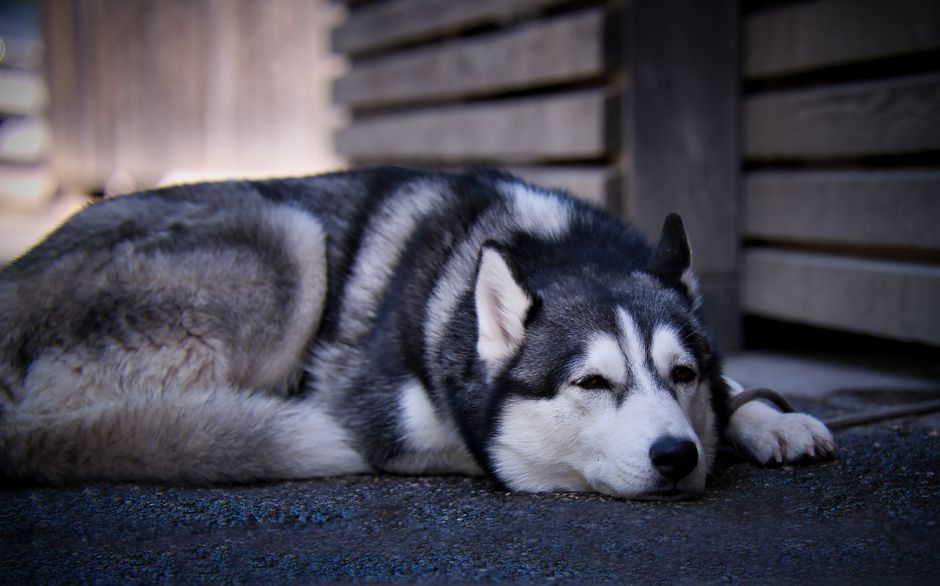
Depression in dogs is a state of low mood and aversion to activity that can affect their daily life. For Huskies, a breed known for high energy and social needs, depression often manifests as a lack of interest in play, changes in appetite, and withdrawal from family interactions. It's not just a 'bad day' – it persists and can lead to health issues if ignored.
Common Signs of Depression in Huskies
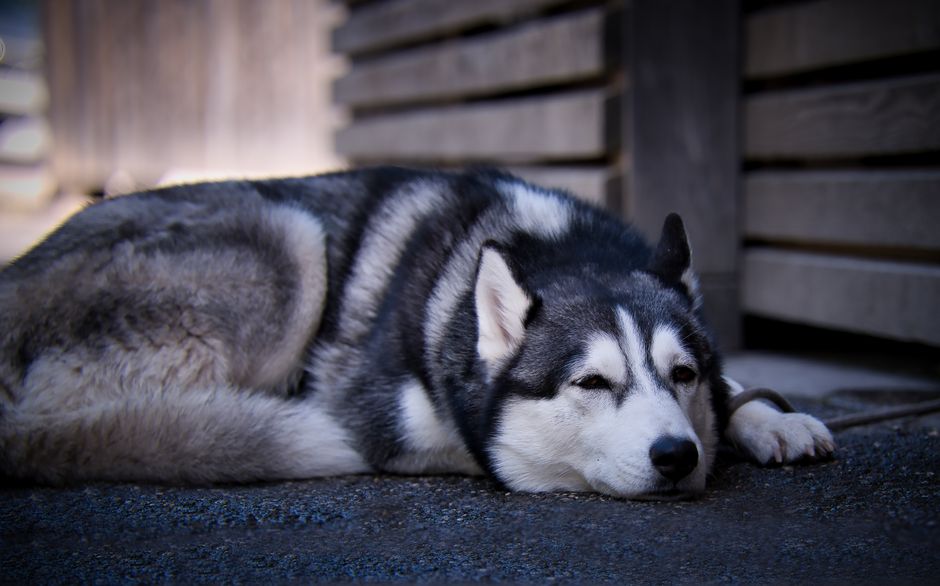
Huskies are expressive dogs, so changes in behavior are noticeable. Here are the most common signs:
- Loss of Interest in Play: Your Husky no longer wants to play fetch, run, or engage in zoomies.
- Changes in Appetite: Eating significantly less or more than usual.
- Excessive Sleeping: Sleeping more than the typical 12-14 hours a day, especially when they should be active.
- Withdrawal: Hiding, avoiding interaction, or not greeting you at the door.
- Destructive Behavior: Chewing, digging, or scratching out of frustration or boredom.
- Vocalization Changes: Howling or whining more than usual, or complete silence.
- Lethargy: Lack of energy, slow movements, reluctance to go for walks.
- Disinterest in Training: Refusing commands or treats that used to excite them.
If you notice several of these signs for more than two weeks, it's worth investigating further.
Potential Causes of Depression in Huskies
Understanding the root cause is key to treatment. Common triggers include:
- Change in Routine: New work hours, moving home, or a new family member (baby or pet) can disrupt their comfort zone.
- Loss of a Companion: Grieving the loss of another pet or a family member.
- Lack of Exercise: Huskies need at least 1-2 hours of vigorous activity daily. A sedentary lifestyle often leads to depression.
- Boredom: Insufficient mental stimulation – no puzzles, training, or interactive toys.
- Seasonal Affective Disorder (SAD): Some Huskies become depressed during dark, cold months due to lack of sunlight.
- Underlying Health Issues: Pain, thyroid problems, or other medical conditions can mimic depression.
- Trauma or Abuse: Past negative experiences may resurface.
Note: Always rule out medical causes with a veterinarian before assuming it's behavioral.
How to Help a Depressed Husky
Here is a step-by-step approach to lift your Husky's spirits:
1. Veterinary Check-Up
Visit your vet for a full physical, blood work, and thyroid panel. Pain from arthritis, dental issues, or other illnesses can cause depressive symptoms. Treating the underlying condition often resolves the mood issue.
2. Increase Physical Exercise
Huskies were bred to run. Aim for at least 60-90 minutes of vigorous activity daily: running, hiking, pulling (like sledding or bikejoring). A tired Husky is a happy Husky. Lack of exercise is the #1 cause of boredom-related depression.
3. Provide Mental Stimulation
Rotate puzzle toys, hide treats around the house, teach new tricks, or enroll in agility or nose work classes. Huskies are intelligent and need challenges. Even 15 minutes of training can boost their mood.
4. Stick to a Consistent Routine
Dogs thrive on predictability. Feed, walk, and play at the same times each day. If a major change is unavoidable, introduce it gradually.
5. Offer Positive Socialization
Arrange playdates with friendly dogs, visit dog parks (if your Husky enjoys them), or bring them along on errands. Human and canine companionship is vital.
6. Use Positive Reinforcement
Reward any small sign of interest or engagement with treats, praise, or gentle petting. Avoid scolding or forcing interaction, as it may worsen withdrawal.
7. Consider Environmental Enrichment
Play calming music or audiobooks when alone, open curtains for natural light, or invest in a dog-safe heated bed for comfort.
8. Explore Natural Supplements
Talk to your vet about omega-3 fatty acids, L-tryptophan, or pheromone diffusers like Adaptil. These can support mood without medication.
9. Medication as Last Resort
If severe and persistent, your vet may prescribe antidepressants like fluoxetine. These work best in combination with behavioral changes.
When to Seek Professional Help
If your Husky shows self-harming behaviors (excessive licking, biting at paws) or stops eating/drinking for more than 24 hours, see a vet immediately. Also seek help if depressive signs persist for more than a month despite your efforts. A veterinary behaviorist can design a tailored plan.
Preventing Depression in Huskies
Proactive measures are better than reactive treatment:
- Daily Exercise: Never skip the run. Even on bad weather days, find indoor alternatives like treadmill training or doggy daycare.
- Keep Them Busy: Rotate toys weekly, introduce new scents, and practice obedience.
- Regular Veterinary Care: Annual check-ups to catch health issues early.
- Provide a Second Companion: If your lifestyle allows, another dog can keep your Husky company. But choose a compatible breed/energy level.
- Manage Changes Carefully: When changes are inevitable, use baby steps and positive associations (treats, extra play).
Conclusion
Depression in Huskies is treatable, but early recognition is key. By observing their behavior, ruling out medical issues, and addressing their needs for exercise, mental stimulation, and social interaction, you can help your Husky bounce back to their joyful, mischievous self. Remember, a happy Husky is a healthy Husky!
Recommended Products for Your Husky
As an Amazon Associate, we earn from qualifying purchases. Learn more.
- Husky Care Essentials — Check price on Amazon
- Best-Selling Dog Gear — Check price on Amazon
- Newest Husky Products — Check price on Amazon
Frequently Asked Questions
How do I maintain dental health?
Brush teeth 2–3 times weekly, offer dental chews, and schedule professional cleanings. Small breeds aren't the only ones with tartar.
What flea and tick prevention is best?
Oral or topical preventives from your vet beat OTC products. Tick-borne disease is rising in many Husky-friendly climates.
What health problems do Huskies have?
Main concerns are hip dysplasia, eye conditions (cataracts, PRA), and hypothyroidism. Reputable breeders screen with OFA and CERF.
Editor's Note
One thing we always tell new owners: learn your husky's normal. Gum color, breathing rate, stool consistency. The owners who knew the baseline caught real emergencies fast; the ones who didn't lost precious hours.
Sources & Further Reading
HuskySpot researches each topic against recognized breed and veterinary authorities. The following organizations inform our content: