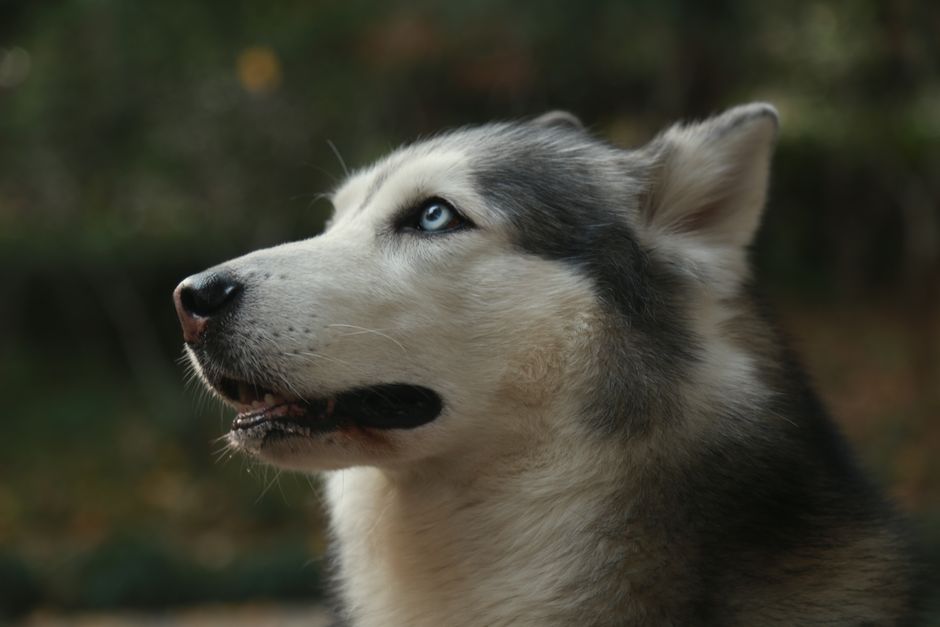
Why Ear Cleaning is Important for Your Siberian Husky
Siberian Huskies are known for their striking appearance and energetic personalities, but their unique ear structure requires regular attention. Unlike floppy-eared breeds, Huskies have erect ears that allow good airflow, yet they are still prone to wax buildup, dirt, and infections. Regular ear cleaning helps prevent painful conditions like otitis externa, removes excess wax, and allows you to spot early signs of problems such as mites or allergies. A clean ear is a healthy ear, and with the right technique, you can make this routine stress-free for both you and your Husky.
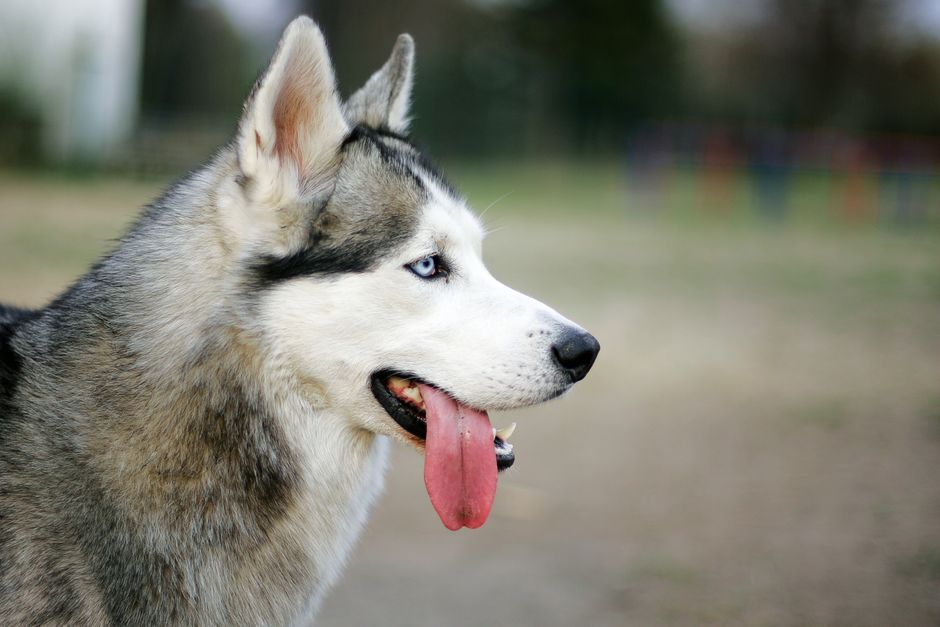
Understanding Husky Ear Anatomy
Before diving into cleaning, it's helpful to understand the basic anatomy of your Husky's ear. The ear consists of the outer ear (pinna), the ear canal (vertical and horizontal sections), and the eardrum. Huskies have a long L-shaped ear canal that can trap debris and moisture. Because of this shape, improper cleaning can push debris deeper or damage the eardrum. Always use a gentle, vet-recommended cleaner and avoid inserting anything into the ear canal beyond what is visible.
Signs That Your Husky Needs an Ear Cleaning
- Excessive scratching or pawing at the ears
- Head shaking or tilting
- Redness, swelling, or discharge (yellow, brown, or bloody)
- Bad odor coming from the ear
- Wax buildup visible on the outer ear
- Sensitivity or pain when touching the ears
If you notice any of these signs, schedule a vet visit to rule out infection before cleaning. Cleaning an infected ear can worsen the condition.
How Often Should You Clean Your Husky's Ears?
For most healthy Huskies, a routine ear check once a week is sufficient, with a thorough cleaning every two to four weeks. However, frequency depends on your dog's lifestyle. Dogs that swim frequently, have allergies, or produce excess wax may need weekly cleanings. Always inspect ears after baths or swimming to remove moisture. Over-cleaning can strip natural oils and cause irritation, so balance is key.
What You'll Need: Tools and Supplies
- Vet-recommended ear cleaning solution (pH-balanced for dogs)
- Cotton balls or gauze pads (not cotton swabs, which can push debris inside)
- Towel to catch drips and for drying
- Treats for positive reinforcement
- Optional: rubber mat for slippery floors
Step-by-Step Guide to Cleaning Your Husky's Ears
Step 1: Prepare Your Husky
Choose a quiet time when your Husky is calm. Introduce the ear cleaning solution and tools so your dog can sniff them. Reward calm behavior with treats. If your Husky is anxious, start with just touching the ears without cleaning.
Step 2: Apply the Ear Cleaner
Gently hold your Husky's head to one side. Fill the ear canal with the cleaning solution until it starts to overflow (follow product instructions). Avoid touching the bottle tip to the ear to prevent contamination.
Step 3: Massage the Base
With the ear flap still upright, massage the base of the ear for about 20-30 seconds. You should hear a squishing sound. This helps the solution break up wax and debris.
Step 4: Let Your Husky Shake
Release your dog's head and step back. Your Husky will naturally shake its head, which helps dislodge loosened debris from the deep ear canal onto the outer ear. Use a towel to catch splatters.
Step 5: Wipe the Outer Ear
Using a cotton ball or gauze, gently wipe the visible part of the ear canal and the folds of the ear flap. Avoid inserting anything deeper than you can see. Repeat until the cotton comes out clean. Use a fresh cotton ball for each ear to avoid cross-contamination.
Step 6: Repeat for the Other Ear
Switch to the other ear and repeat the process. Reward your Husky with praise and a treat after both ears are done.
Common Mistakes to Avoid
- Using cotton swabs: They can push wax deeper or puncture the eardrum.
- Using human ear drops or alcohol: These can cause irritation or toxicity.
- Overfilling the ear: Too much solution can cause discomfort.
- Cleaning too often: Strips protective oils.
- Ignoring odor or discharge: Could indicate infection; consult a vet.
When to See the Vet
Visit your veterinarian if you observe any of the following during cleaning:
- Blood or pus in the ear
- Strong unpleasant odor
- Persistent redness or swelling
- Your Husky shows signs of pain
- Debris or buildup does not improve after cleaning
Your vet may recommend medicated ear drops or further testing for mites, allergies, or infections.
Ear Cleaning for Husky Puppies vs. Adults
Start ear cleaning early with puppies to build positive associations. Use a gentle touch and very small amounts of solution. Puppies have smaller ear canals, so be extra cautious. Adult Huskies may be more tolerant, but if they are unaccustomed to cleaning, go slow and use high-value treats.
Natural Home Remedies vs. Commercial Cleaners
While some owners use homemade mixtures like diluted apple cider vinegar or witch hazel, these are not recommended without veterinary guidance. Homemade solutions can alter the ear's pH balance or cause irritation. Commercial cleaners are formulated to be safe and effective for dogs. If you prefer a natural option, look for dog-safe products with ingredients like aloe vera, chamomile, or colloidal silver.
Frequently Asked Questions
Can I use baby wipes to clean my Husky's ears?
No, baby wipes often contain fragrances, alcohol, or chemicals that can irritate the ear. Stick to products made specifically for dogs.
My Husky hates ear cleaning. What should I do?
Desensitize slowly: touch ears during calm times, offer treats, and pair cleaning with positive experiences. Use a helper to hold a treat while you clean. Never force it.
Is it normal for Husky ears to be waxy?
A small amount of wax is normal. Excessive or dark, smelly wax may indicate a problem.
Can I use hydrogen peroxide for ear cleaning?
No, hydrogen peroxide can damage healthy ear tissue and delay healing. Use a vet-recommended ear cleaner.
Conclusion
Regular ear cleaning is a vital part of your Siberian Husky's health routine. By following proper techniques and using the right products, you can prevent infections, catch issues early, and keep your Husky comfortable. Always prioritize gentle handling and positive reinforcement. When in doubt, consult your veterinarian for personalized advice. With patience and consistency, ear cleaning can become a simple, bonding experience for you and your furry friend.
Recommended Products for Your Husky
As an Amazon Associate, we earn from qualifying purchases. Learn more.
- Husky Care Essentials — Check price on Amazon
- Best-Selling Dog Gear — Check price on Amazon
- Newest Husky Products — Check price on Amazon
Editor's Note
We've seen coat condition flag internal problems weeks before other symptoms. A suddenly dull, thinning double coat sent three of our clients to the vet for issues nothing else had revealed yet.
Sources & Further Reading
HuskySpot researches each topic against recognized breed and veterinary authorities. The following organizations inform our content: