Husky hair thinning can be alarming for any owner. While Siberian Huskies are known for their thick double coats, excessive hair loss or thinning patches may indicate an underlying health issue. This comprehensive guide explores all possible causes, symptoms, diagnostic steps, treatments, and preventive measures to help your Husky maintain a lush, healthy coat.
Understanding Husky Hair Thinning
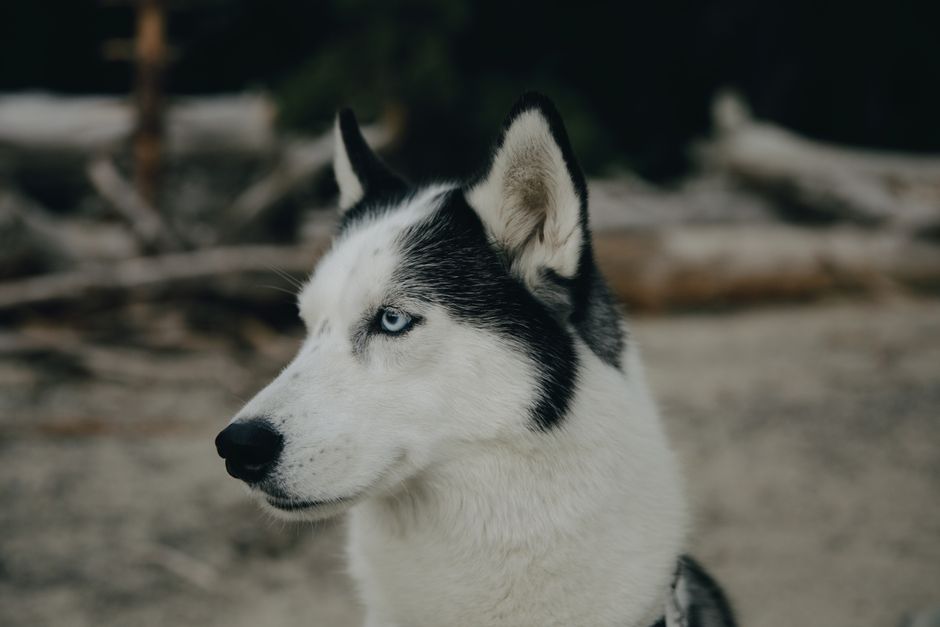
Huskies have a dense double coat consisting of a soft undercoat and a longer guard coat. They blow their undercoat twice a year (seasonal shedding), but thinning beyond normal shedding or bald patches is not typical. Hair thinning refers to a reduction in hair density, often accompanied by brittle, dry, or falling-out hair. It can be localized or widespread. Early identification is key to addressing the root cause.
Common Causes of Hair Thinning in Huskies
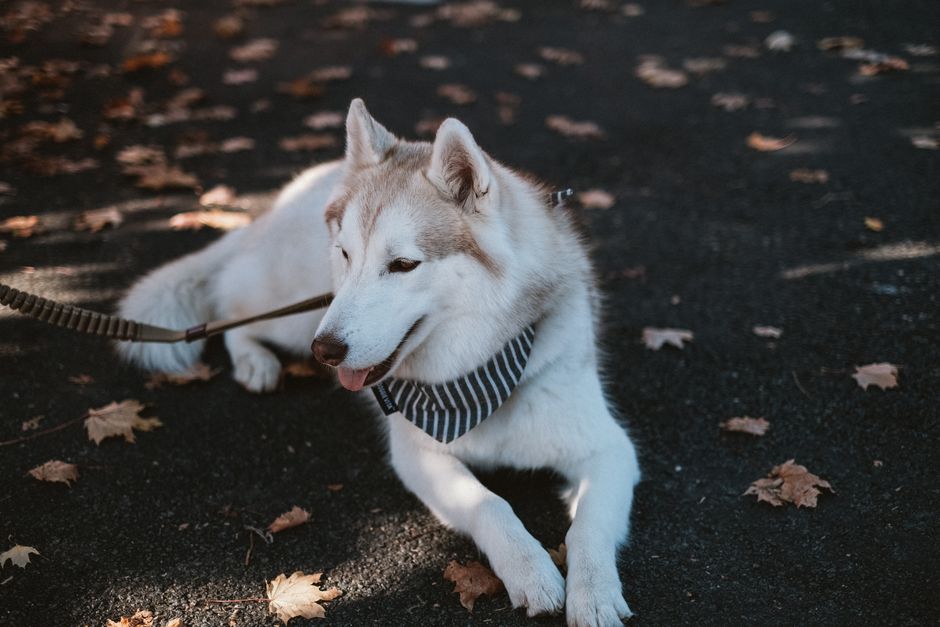
Several factors can contribute to hair thinning in Siberian Huskies. Below is a detailed list of the most common culprits.
1. Seasonal Shedding (Normal)
Huskies shed heavily during spring and fall. While this appears dramatic, it isn't true thinning—the coat regrows normally. However, if shedding seems excessive or fails to regrow, consider other causes.
2. Allergies
Food allergies (e.g., chicken, beef, grains) or environmental allergens (pollen, dust mites, mold) can cause itching, redness, and hair loss. Huskies often chew or scratch areas, leading to broken hairs and thinning.
3. Parasites
Fleas, mites (demodex, sarcoptes), and lice cause intense itching and hair loss. Mange (demodectic or sarcoptic) is common in puppies and immunocompromised dogs. Check for scaly skin, redness, and bald spots, especially on elbows, face, and ears.
4. Hormonal Imbalances
Hypothyroidism (low thyroid hormone) is common in Huskies. It leads to symmetrical hair thinning on the flanks, tail, and back. Other symptoms include weight gain, lethargy, and skin darkening. Cushing's disease (excess cortisol) also causes hair thinning, often along with pot-bellied appearance and increased thirst.
5. Nutritional Deficiencies
A poor diet lacking essential fatty acids (omega-3 and omega-6), protein, zinc, copper, or vitamins A and E can result in a dull, brittle coat and hair loss. Huskies need high-quality dog food with balanced nutrients.
6. Stress and Anxiety
Behavioral stress from changes in routine, separation anxiety, or boredom can trigger excessive licking or chewing, leading to hair thinning (acral lick dermatitis). Behavioral issues require environmental enrichment and sometimes medication.
7. Infections
Bacterial or fungal infections (e.g., ringworm) cause circular patches of hair loss with crusty, scaly skin. Yeast infections (Malassezia) often accompany allergies and cause greasy, smelly coat with thinning.
8. Autoimmune Disorders
Conditions like alopecia areata or lupus can cause hair loss. These are less common but should be considered if other causes are ruled out.
Symptoms to Watch For
- Localized or symmetrical bald patches
- Itching, scratching, or excessive licking
- Red, inflamed, or scaly skin
- Dull, dry, or brittle coat
- Changes in appetite, weight, or energy levels
- Foul odor or greasy skin
Diagnosing the Underlying Problem
If you notice unusual hair thinning, visit your veterinarian. They will perform:
- Physical exam: Pattern of hair loss, skin condition
- Skin scrapings: Check for mites, ringworm
- Blood tests: Thyroid function (T4, TSH), cortisol levels
- Allergy testing: Food elimination diet or intradermal skin testing
- Biopsy: For autoimmune or severe cases
Treatment Options
Treatment depends entirely on the cause. Here’s a quick reference table:
| Cause | Treatment |
|---|---|
| Allergies | Elimination diet, antihistamines, hypoallergenic shampoo, immunotherapy |
| Parasites | Topical or oral antiparasitics (e.g., Revolution, NexGard), medicated baths |
| Hypothyroidism | Daily thyroid hormone replacement (levothyroxine) |
| Cushing's disease | Medication (trilostane or mitotane), surgery in some cases |
| Nutritional deficiencies | High-quality diet, omega-3 supplements, zinc supplementation (under vet guidance) |
| Infections | Antibiotics, antifungals, medicated shampoos |
| Stress | Behavior modification, increased exercise, anxiety wraps, possibly anti-anxiety meds |
| Autoimmune | Immunosuppressive drugs (corticosteroids, cyclosporine) |
Preventive Measures and Proper Grooming
Prevention is always better than cure. Follow these tips to maintain a healthy Husky coat:
- Brushing: Brush 2-3 times per week with an undercoat rake (more during shedding season). Removes loose hair and prevents matting.
- Bathing: Bathe every 2-3 months using a gentle, oatmeal-based dog shampoo. Overbathing strips natural oils.
- Diet: Feed a balanced diet rich in high-quality protein and omega-3 fatty acids (fish oil, flaxseed). Consider supplements after consulting your vet.
- Supplements: Omega-3 fatty acids, biotin, zinc, and vitamin E support coat health.
- Parasite prevention: Use year-round flea and tick control.
- Stress management: Provide mental stimulation, exercise, and a consistent routine.
- Regular vet checkups: Annual bloodwork can catch hormonal issues early.
When to See a Vet
Consult a veterinarian if you notice any of the following:
- Hair thinning that persists beyond normal shedding seasons
- Visible bald patches or broken hairs
- Itching, skin redness, or sores
- Changes in behavior, appetite, or weight
- Foul odor or greasy coat
Early intervention can prevent complications and restore your Husky’s coat.
Frequently Asked Questions
Is it normal for my Husky to lose hair in patches?
No. While seasonal shedding is heavy, patchy hair loss is abnormal and requires veterinary evaluation.
Can diet alone fix hair thinning?
If the cause is nutritional deficiency, improving diet combined with supplements can help. But other causes need specific treatment.
How long does it take for hair to grow back?
Depending on the cause, regrowth can take several weeks to months. Once the underlying issue is resolved, hair typically returns, though sometimes slower in older dogs.
Conclusion: Husky hair thinning should never be ignored. By understanding the possible causes and working with your vet, you can address the root problem and restore your dog’s beautiful coat. Regular grooming, a nutritious diet, and preventive care go a long way in keeping your Husky healthy from the inside out.
Recommended Products for Your Husky
As an Amazon Associate, we earn from qualifying purchases. Learn more.
- Healthy Dog Treats — Check price on Amazon
- Dental Chews — Check price on Amazon
- Training Treats — Check price on Amazon
Editor's Note
Our team has sat through enough husky eye exams to know the hereditary risks are real. We tell every owner to get a baseline ophthalmologist check early—catching corneal dystrophy at two is far cheaper than at six.
Sources & Further Reading
HuskySpot researches each topic against recognized breed and veterinary authorities. The following organizations inform our content: