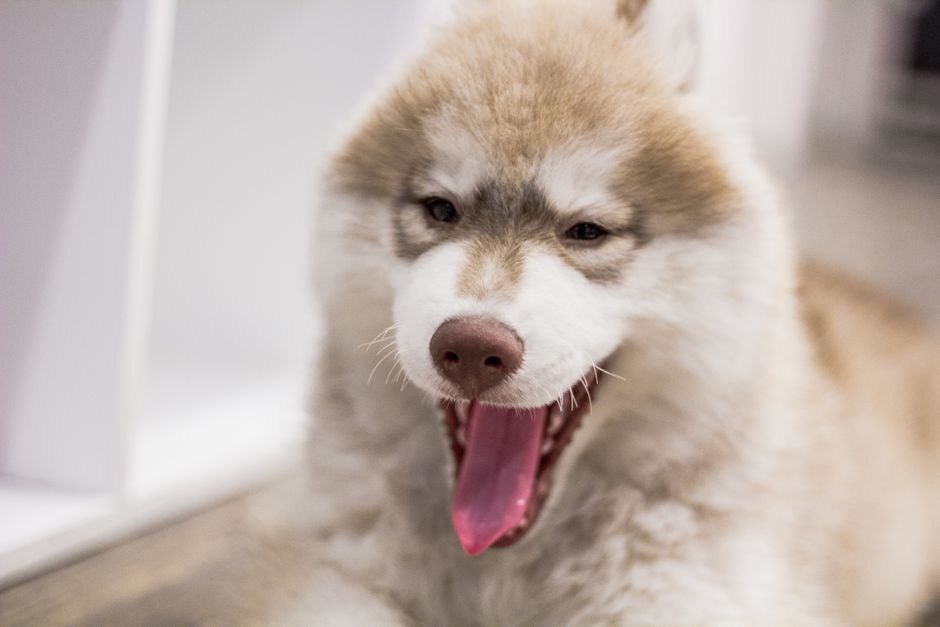
Why Does My Husky Smell Bad? Common Causes and Solutions
Huskies are known for their clean, doggy odor—or rather, the lack of it. So when a strong, unpleasant smell starts emanating from your furry friend, it’s a cause for concern. Persistent bad odor often signals an underlying health issue or poor hygiene. In this comprehensive guide, we'll explore the most common causes of bad smell in Siberian Huskies, from skin infections to dental problems, and provide actionable steps to eliminate the odor.
1. Skin Infections: Bacterial and Fungal Overgrowth
Huskies have a thick double coat that can trap moisture and debris, creating a breeding ground for bacteria and yeast. These microbes produce a distinctive musty or sour odor. Hot spots (acute moist dermatitis) also emit a foul smell.
Signs of a skin infection
- Red, inflamed skin
- Flaking or crusty patches
- Excessive scratching or licking
- Hair loss in spots
- Strong, unpleasant odor
Solutions
Visit your vet for a proper diagnosis. Treatment often includes medicated shampoos (chlorhexidine or ketoconazole), antibiotics, or antifungals. Keep your Husky’s coat dry after baths or swims and avoid over-bathing, which can strip natural oils and worsen the skin barrier.
2. Anal Gland Issues
Huskies have two small anal sacs that release a foul-smelling liquid when they defecate. If these glands become impacted, infected, or abscessed, they can leak a persistently fishy odor.
Signs of anal gland problems
- Scooting rear on the ground
- Excessive licking under the tail
- Swelling near the anus
- Pain when defecating
- Strong fishy smell
Solutions
A vet or groomer can manually express the glands. If recurrent, adding fiber (like pumpkin or psyllium husk) to the diet can help firm stools and promote natural expression. Never try to express them yourself without training as it can cause injury.
3. Dental Disease and Bad Breath
Oral hygiene is often overlooked, but dental problems are a top source of bad odor. Plaque and tartar buildup harbor bacteria that produce sulfur compounds, leading to halitosis. Gum disease, tooth abscesses, or foreign objects stuck in the mouth can also cause smell.
Signs of dental issues
- Persistent bad breath
- Yellow/brown tartar on teeth
- Red or bleeding gums
- Drooling or pawing at mouth
- Difficulty eating
Solutions
- Brush your Husky’s teeth daily with dog-safe toothpaste.
- Provide dental chews and toys that reduce plaque.
- Schedule professional dental cleanings as recommended.
- Check for objects like sticks or bones stuck in the mouth.
4. Ear Infections
Huskies have erect, open ears that allow good airflow, but they can still develop ear infections, especially if moisture gets trapped. A yeasty or musty odor from the ears is a classic sign.
Signs of ear infections
- Head shaking or tilting
- Scratching at ears
- Redness inside ear flap
- Discharge (brown, yellow, or black)
- Strong smell from ears
Solutions
Clean ears weekly with a vet-approved solution. For infections, your vet will prescribe medicated drops. Keep ears dry after bathing—place a cotton ball in the ear canal to prevent water entry.
5. Diet and Digestive Issues
Diet directly affects odor. Low-quality foods with excessive fillers, grains, or artificial additives can lead to gas, loose stools, and a general foul smell. Food allergies may cause skin and ear issues that produce odor. Additionally, a diet high in fish or certain proteins can also affect the dog’s scent.
What to consider
- Switch to a high-quality, balanced diet with named meat sources (chicken, lamb, fish).
- Avoid foods with by-products, soy, corn, or excessive chemicals.
- Consider a limited ingredient diet if allergies are suspected.
- Add probiotics to support gut health and reduce gas.
6. Urinary Tract Infections (UTIs) and Other Internal Issues
A strong ammonia smell in urine or a generally fishy odor can indicate a UTI or kidney problem. In unspayed females, a foul odor could be a sign of pyometra (uterine infection), which is a life-threatening emergency.
Signs of UTIs or pyometra
- Frequent urination or accidents
- Straining to urinate
- Blood in urine
- Lethargy, fever, or loss of appetite
- Pus discharge from vulva (pyometra)
Solutions
Immediate veterinary attention is required. UTIs are treated with antibiotics, while pyometra typically requires surgery. Keep your Husky well-hydrated and provide regular bathroom breaks.
7. Grooming and Hygiene Mistakes
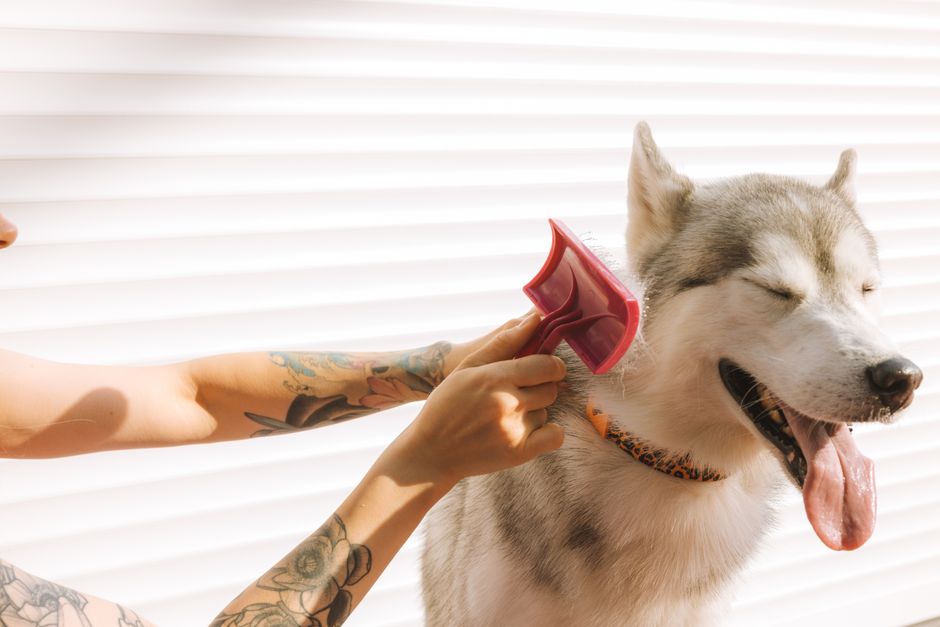
Even healthy Huskies can smell if their coat isn’t properly maintained. Their double coat needs regular brushing to remove dead undercoat, dirt, and dander. Wet fur that isn’t dried thoroughly can lead to moldy odors. Bathing too frequently or using human shampoos disrupts the skin’s pH balance, causing dryness and odor.
Best grooming practices
- Brush 2-3 times per week (daily during shedding season).
- Bathe only every 2-3 months or when truly dirty, using dog-specific shampoo.
- Dry thoroughly after baths or swimming—use a blow dryer on low heat.
- Clean paws and between paw pads regularly to remove trapped debris.
- Check for skin folds and dry them if your Husky has any.
8. Environmental Factors
Sometimes the smell is not from your Husky but something they rolled in! Dogs love to roll in dead animals, feces, or other foul substances. Additionally, your home’s bedding, carpets, and furniture can absorb and trap odors. If you only notice the smell in certain areas, it’s likely environmental.
Solutions
- Wash your Husky’s bedding weekly in scent-free detergent.
- Vacuum and clean floors regularly.
- Use pet-safe deodorizers or baking soda on carpets.
- After a stinky roll, a quick bath with a deodorizing shampoo will fix it.
When to See the Vet
If you’ve ruled out grooming and diet issues and the smell persists, a veterinary checkup is essential. A bad odor can be an early sign of serious conditions like kidney disease, liver problems, diabetes, or hormonal imbalances (e.g., hypothyroidism). A complete exam, including blood work and urinalysis, can pinpoint the root cause.
Red flags that require immediate vet visit:
- Sudden onset of strong odor
- Accompanied by vomiting, diarrhea, or appetite loss
- Lethargy or behavior changes
- Visible discharge or swelling
- Pain or discomfort
Summary Table: Common Causes and Quick Fixes
| Cause | Odor Type | Solution |
|---|---|---|
| Skin infection | Musty, sour | Vet-prescribed meds, medicated shampoo |
| Anal glands | Fishy | Vet/groomer expression, fiber in diet |
| Dental disease | Bad breath (rotten) | Brushing, dental cleanings |
| Ear infection | Yeasty, musty | Cleaning, vet-prescribed drops |
| Diet issues | Foul gas, body odor | High-quality diet, probiotics |
| Urinary infection | Ammonia | Vet, antibiotics |
| Poor grooming | Dirty, stale | Brushing, occasional bath, dry fully |
| Rolling in filth | Foul, different each time | Bath, avoid areas |
Prevention Tips
- Establish a routine grooming and dental care schedule.
- Feed a balanced diet and provide fresh water always.
- Keep ears dry and clean weekly.
- Watch for changes in behavior, appetite, or bathroom habits.
- Annual vet checkups including dental and skin evaluations.
By addressing the root cause promptly, you can keep your Husky smelling fresh and feeling healthy. Remember, a bad smell is your dog’s way of communicating that something is off. Listen, investigate, and take action!
Recommended Products for Your Husky
As an Amazon Associate, we earn from qualifying purchases. Learn more.
- Husky Care Essentials — Check price on Amazon
- Best-Selling Dog Gear — Check price on Amazon
- Newest Husky Products — Check price on Amazon
Frequently Asked Questions
What flea and tick prevention is best?
Oral or topical preventives from your vet beat OTC products. Tick-borne disease is rising in many Husky-friendly climates.
What health problems do Huskies have?
Main concerns are hip dysplasia, eye conditions (cataracts, PRA), and hypothyroidism. Reputable breeders screen with OFA and CERF.
How often should my Husky see a vet?
Annual wellness exams for adults, twice-yearly for seniors. Puppies need a visit every 3–4 weeks for shots and checks.
Editor's Note
We've seen coat condition flag internal problems weeks before other symptoms. A suddenly dull, thinning double coat sent three of our clients to the vet for issues nothing else had revealed yet.
Sources & Further Reading
HuskySpot researches each topic against recognized breed and veterinary authorities. The following organizations inform our content: