Vomiting is a common concern among Siberian Husky owners. While an occasional upset stomach may resolve on its own, frequent or severe vomiting can indicate underlying health issues. This comprehensive guide covers the causes, when to worry, home care strategies, and prevention tips specifically for the Siberian Husky breed.
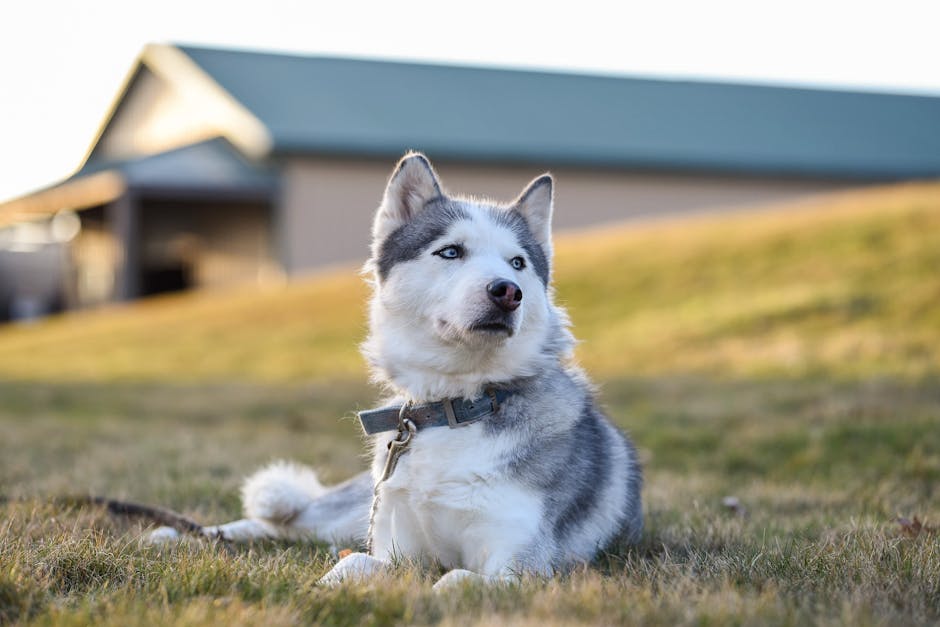
Common Causes of Vomiting in Siberian Huskies
Siberian Huskies are generally hardy dogs, but several factors can trigger vomiting:
- Dietary indiscretion – Eating garbage, spoiled food, or non-food items (e.g., socks, toys) is a leading cause.
- Food allergies or sensitivities – Huskies may react to certain proteins (chicken, beef) or grains, leading to vomiting and diarrhea.
- Rapid eating – Gulping food without chewing can cause regurgitation or vomiting soon after meals.
- Pancreatitis – Inflammation of the pancreas, often triggered by high-fat foods, causes severe vomiting and abdominal pain.
- Intestinal parasites – Roundworms, hookworms, and giardia can irritate the digestive tract.
- Viral or bacterial infections – Parvovirus, distemper, or salmonella can cause acute vomiting.
- Motion sickness – Car rides may upset some Huskies, especially puppies.
- Bloat (gastric dilatation-volvulus) – A life-threatening condition where the stomach twists. Deep-chested breeds like Huskies are at risk. Vomiting is often unproductive (dry heaving).
- Ingestion of toxic substances – Chocolate, xylitol, grapes, raisins, onions, or household chemicals.
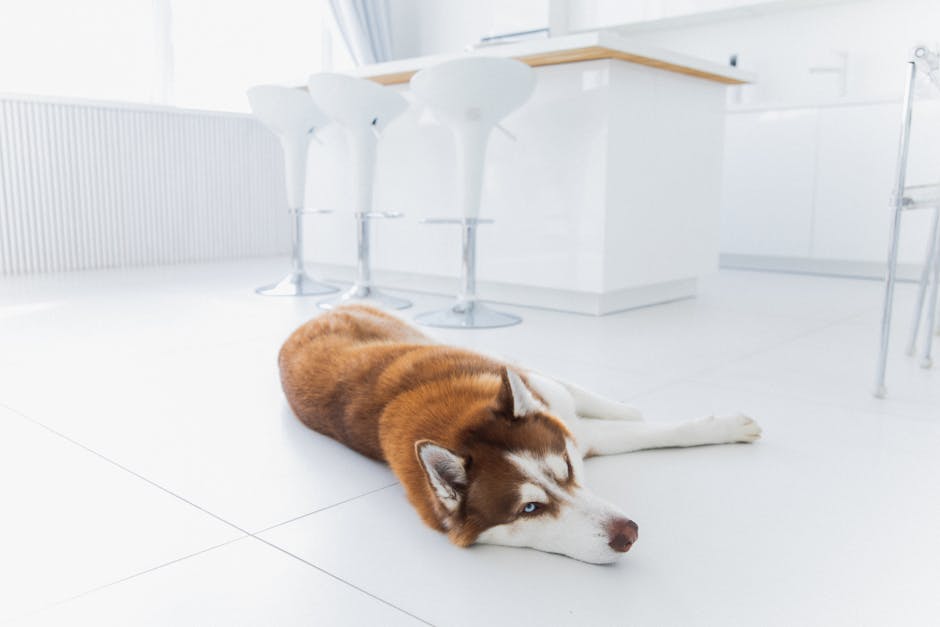
Vomiting vs. Regurgitation – Why It Matters
Before treating, it's crucial to distinguish between vomiting and regurgitation:
| Vomiting | Regurgitation |
|---|---|
| Active process: heaving, retching, abdominal contractions | Passive: food just falls out with little effort |
| Contents are partially digested (yellow bile or food) | Undigested food, often in a tubular shape |
| Usually occurs hours after eating | Occurs minutes after eating |
| Often accompanied by nausea (lip licking, drooling) | No nausea signs |
Regurgitation often indicates issues in the esophagus (e.g., megaesophagus), while vomiting originates from the stomach or intestines. Always note the type and timing to help your veterinarian diagnose the problem.
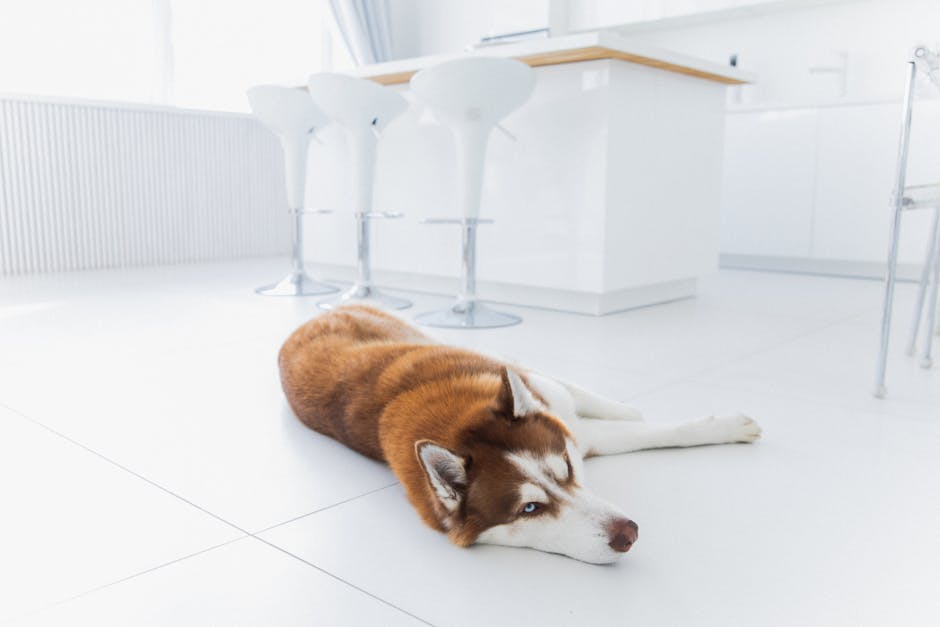
When to Be Concerned: Red Flags and Emergency Signs
Not every vomiting episode requires a vet visit, but contact your veterinarian immediately if your Husky displays any of the following:
- Vomiting more than 3 times in 24 hours
- Blood in vomit (bright red or coffee-ground appearance)
- Lethargy, weakness, or collapse
- Signs of bloat: unproductive retching, distended abdomen, restlessness
- Known ingestion of a toxic substance or foreign object
- Vomiting in a puppy under 6 months old (dehydration risk is high)
- Accompanied by diarrhea or fever
- Suspected intestinal blockage (straining to defecate, pain)
When in doubt, err on the side of caution. Huskies are stoic and may not show pain until severely ill.
What to Do When Your Husky Vomits
If your Husky vomits once but seems otherwise normal, follow these steps:
- Withhold food for 12–24 hours – Give the stomach a rest. Provide small amounts of ice cubes or water every few hours to prevent dehydration.
- Monitor for other symptoms – Note the frequency, appearance, and any behavioral changes.
- Introduce a bland diet – After the fasting period, offer small portions of boiled white rice mixed with boiled skinless chicken breast or low-fat cottage cheese. Feed 3–4 small meals daily.
- Gradually return to regular food – Over 2–3 days, mix increasing amounts of your Husky’s normal diet with the bland food.
- Ensure hydration – Offer fresh water at all times. If your Husky refuses water, try ice cubes or unflavored Pedialyte (consult vet for dosage).
If vomiting resumes after reintroducing food, or if your Husky becomes lethargic, seek veterinary care.
Home Care and Bland Diet Recipes
Classic Bland Diet
- 1 cup cooked white rice (no salt)
- 1/2 cup boiled, boneless, skinless chicken breast (shredded)
- Mix well. Serve at room temperature.
Pumpkin and Rice
- 1 cup cooked white rice
- 1/2 cup plain canned pumpkin (not pie filling)
- Optional: 1 tablespoon plain yogurt (if your Husky tolerates dairy)
These bland diets are easy on the stomach and provide necessary nutrients. Do not add spices, oils, or butter.
Tip: For Huskies that vomit bile (yellow foam) in the morning on an empty stomach, offer a small bedtime snack like a few tablespoons of plain yogurt or a bland biscuit to buffer stomach acid.
Preventing Vomiting in Siberian Huskies
- Feed a high-quality, age-appropriate diet – Avoid foods with artificial additives, excessive fat, or common allergens. Many Huskies do well on grain-free or limited-ingredient diets.
- Slow down rapid eaters – Use a slow-feeder bowl, scatter food on a baking sheet, or place a large rock in the bowl to slow gulping.
- Avoid table scraps and toxic foods – Educate family members and guests never to feed grapes, raisins, chocolate, onions, or xylitol-sweetened treats.
- Keep environmental hazards out of reach – Secure trash cans, pick up socks, toys, and other swallowable items.
- Regular deworming and vet checkups – Follow your vet’s schedule for parasite prevention and wellness exams.
- Manage stress – Huskies are sensitive; changes in routine, travel, or new pets can cause upset stomachs. Provide a calm environment.
- Exercise but not immediately after meals – Wait at least an hour after feeding before vigorous activity to reduce the risk of bloat.
Frequently Asked Questions about Husky Vomiting
| Question | Answer |
|---|---|
| My husky vomited white foam – what does it mean? | White foam often indicates an empty stomach with bile and mucus. It may be due to delayed feeding or mild nausea. If frequent, consult your vet. |
| Can Huskies vomit from stress? | Yes, separation anxiety or changes in environment can trigger stress-induced vomiting. |
| Is it normal for a Husky puppy to vomit after vaccinations? | Mild vomiting or lethargy can occur post-vaccination, but severe symptoms warrant a vet visit. |
| How long should I wait before seeing a vet? | If vomiting persists beyond 24 hours, contains blood, or if your Husky shows signs of pain or dehydration, see a vet immediately. |
| My Husky eats grass and then vomits – why? | Dogs may eat grass to induce vomiting if they feel nauseous, or simply because they like it. Occasional grass-eating is usually harmless, but if accompanied by repeated vomiting, seek advice. |
Understanding the root cause of your Husky's vomiting is key to providing proper care. While many episodes resolve with simple home management, always stay alert for warning signs. Your Siberian Husky depends on you to recognize when professional help is needed. With the right preventive measures and a watchful eye, you can minimize vomiting incidents and keep your Husky happy and healthy.
Recommended Products for Your Husky
As an Amazon Associate, we earn from qualifying purchases. Learn more.
- Husky Care Essentials — Check price on Amazon
- Best-Selling Dog Gear — Check price on Amazon
- Newest Husky Products — Check price on Amazon
Editor's Note
We've noticed senior huskies get written off too soon. The seven-year-old who 'slowed down' often just needed a joint supplement and lighter exercise, not a goodbye. Biannual checks changed outcomes for clients we manage.
Sources & Further Reading
HuskySpot researches each topic against recognized breed and veterinary authorities. The following organizations inform our content: