Understanding Husky Dandruff: Causes and Symptoms
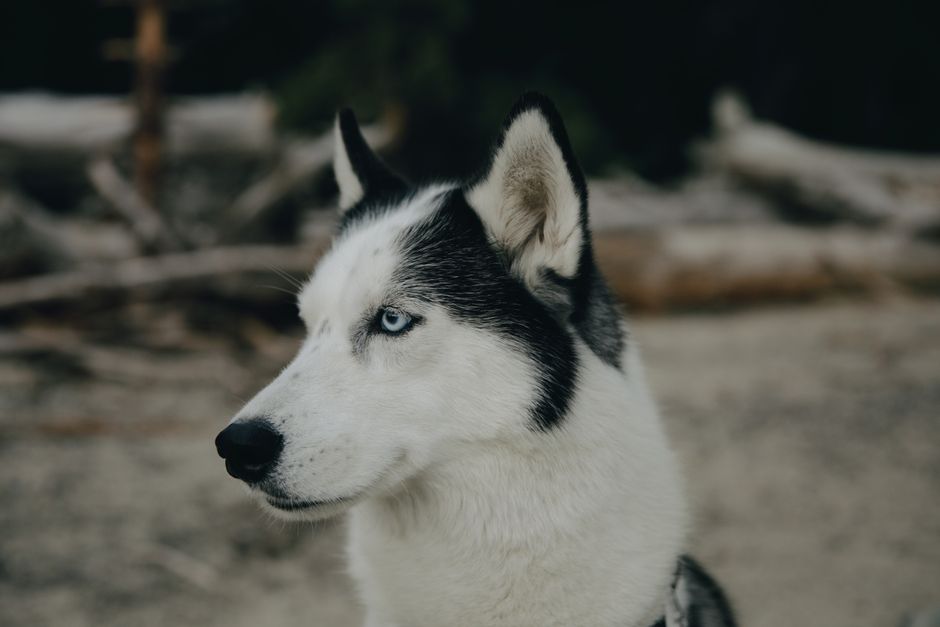
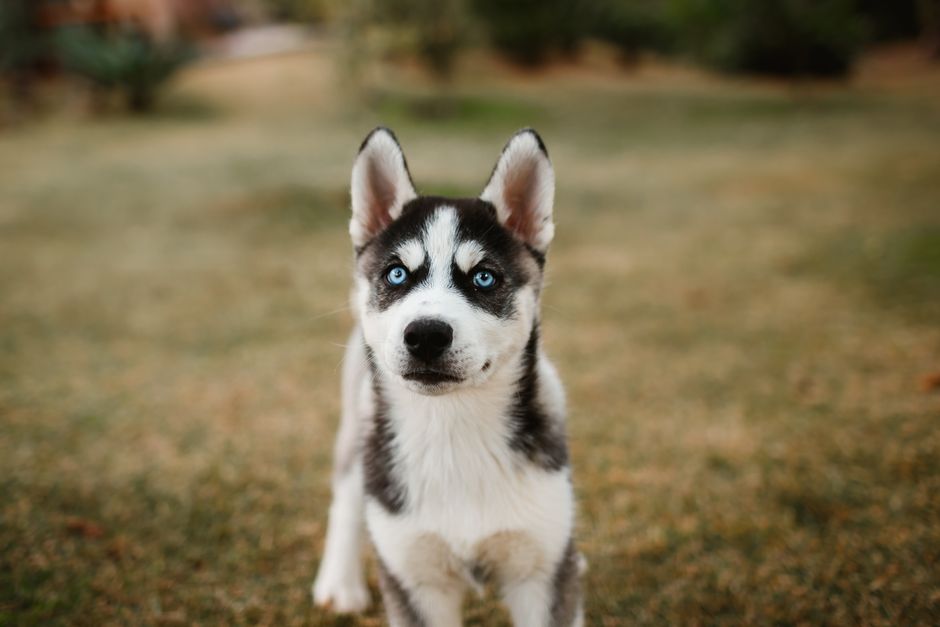
Husky dandruff, also known as seborrhea, is a common skin condition characterized by flaky, dry skin and excessive shedding. While some flaking is normal, persistent dandruff can indicate an underlying issue. Huskies have a double coat that requires proper care, and dandruff can arise from various factors including diet, environment, allergies, or parasites. Common symptoms include white flakes in the fur, redness, itching, and sometimes a musty odor. Identifying the root cause is important for effective treatment.
Common Causes of Dandruff in Huskies
Poor Diet and Nutritional Deficiencies
A diet lacking essential fatty acids (Omega-3 and Omega-6), vitamins (A, E, B), and minerals (zinc) can lead to dry skin and dandruff. Low-quality commercial foods often lack these nutrients. Consider switching to a high-quality dog food or adding supplements like fish oil.
Environmental Factors
Dry air, especially during winter or in air-conditioned homes, can strip moisture from your Husky's skin. Low humidity causes the skin to become dry and flaky. Using a humidifier can help maintain moisture levels.
Allergies
Huskies can develop allergies to food ingredients (e.g., chicken, grains) or environmental allergens (pollen, dust mites). Allergic reactions often manifest as itchy, flaky skin. An elimination diet or allergy testing may be necessary.
Parasites
Mites (such as Cheyletiella or Demodex) can cause dandruff-like symptoms. These are often treated with medicated shampoos or oral medications. Regular veterinary check-ups can catch infestations early.
Underlying Health Issues
Hypothyroidism, Cushing's disease, or autoimmune disorders can cause skin changes including dandruff. These require professional diagnosis and treatment.
Effective Treatments for Husky Dandruff
1. Dietary Adjustments
Add Omega-3 and Omega-6 Fatty Acids: Supplement with fish oil (salmon, sardine) or flaxseed oil. Recommended dose: 1000 mg per 10 lbs of body weight daily. Consult your vet for exact dosage.
Switch to a High-Quality Diet: Look for foods with named meat sources (e.g., salmon, turkey) and whole ingredients. Avoid fillers like corn, wheat, and soy.
Hydration: Ensure fresh water is always available. Dehydration worsens dry skin.
2. Grooming and Bathing
Brushing: Regular brushing (at least 3-4 times per week) removes dead hair and distributes natural oils. Use a slicker brush or undercoat rake.
Medicated Shampoos: Use a veterinarian-recommended anti-dandruff shampoo containing ingredients like chlorhexidine, ketoconazole, or oatmeal. Bathe your Husky every 2-4 weeks, but not more often as it can strip oils.
| Shampoo Type | Active Ingredient | Best For |
|---|---|---|
| Oatmeal shampoo | Colloidal oatmeal | Dry, itchy skin |
| Antifungal shampoo | Ketoconazole | Yeast infections |
| Antibacterial shampoo | Chlorhexidine | Bacterial infections |
3. Home Remedies and Natural Treatments
- Coconut Oil: Apply a small amount (1 tsp per 20 lbs) to the skin or add to food. It moisturizes and has antibacterial properties.
- Apple Cider Vinegar Rinse: Dilute 1 part ACV with 3 parts water and spray on coat after bathing. Helps restore pH balance.
- Aloe Vera: Use pure aloe vera gel on irritated areas to soothe and hydrate.
4. Environmental Changes
Increase indoor humidity with a humidifier (target 40-50% humidity). Avoid harsh chemicals in cleaning products. Provide a comfortable bed with soft bedding.
5. Veterinary Treatments
If home remedies fail, your vet may prescribe:
- Oral medications: Antihistamines for allergies, antibiotics for infections, or thyroid medication.
- Prescription shampoos: Such as Duoxo or Malaseb.
- Allergy testing: To identify specific triggers.
Preventing Dandruff in Huskies
- Maintain a consistent grooming schedule.
- Feed a balanced diet with essential fatty acids.
- Keep your home environment humidified.
- Regular vet check-ups every 6-12 months.
- Avoid over-bathing; at most once a month unless dirty.
When to See a Vet
Consult your veterinarian if dandruff persists despite home treatment, if you notice hair loss, sores, intense itching, or changes in appetite or behavior. These could indicate serious conditions like hypothyroidism or mange. Early intervention leads to better outcomes.
Conclusion
Husky dandruff is manageable with proper care. By addressing diet, grooming, environment, and underlying health issues, you can restore your Husky's coat to its healthy, shiny state. Always consult your vet before starting new treatments, and be patient—improvement may take several weeks. With consistent effort, your Husky will be flake-free and comfortable.
Recommended Products for Your Husky
As an Amazon Associate, we earn from qualifying purchases. Learn more.
- Healthy Dog Treats — Check price on Amazon
- Dental Chews — Check price on Amazon
- Training Treats — Check price on Amazon
Frequently Asked Questions
How often should my Husky see a vet?
Annual wellness exams for adults, twice-yearly for seniors. Puppies need a visit every 3–4 weeks for shots and checks.
How do I help prevent hip dysplasia?
Keep puppies lean during growth, avoid over-exercise on hard surfaces, and choose parents with good OFA scores.
What vaccines does my Husky need?
Core vaccines: rabies, distemper, parvovirus, adenovirus. Your vet may add leptospirosis or bordetella based on risk.
Editor's Note
We've handled the bloat scare more times than we can count. The rule we drilled into every client: no exercise for an hour after meals. A distended belly with unproductive retching is an ER trip, not a wait-and-see.
Sources & Further Reading
HuskySpot researches each topic against recognized breed and veterinary authorities. The following organizations inform our content: