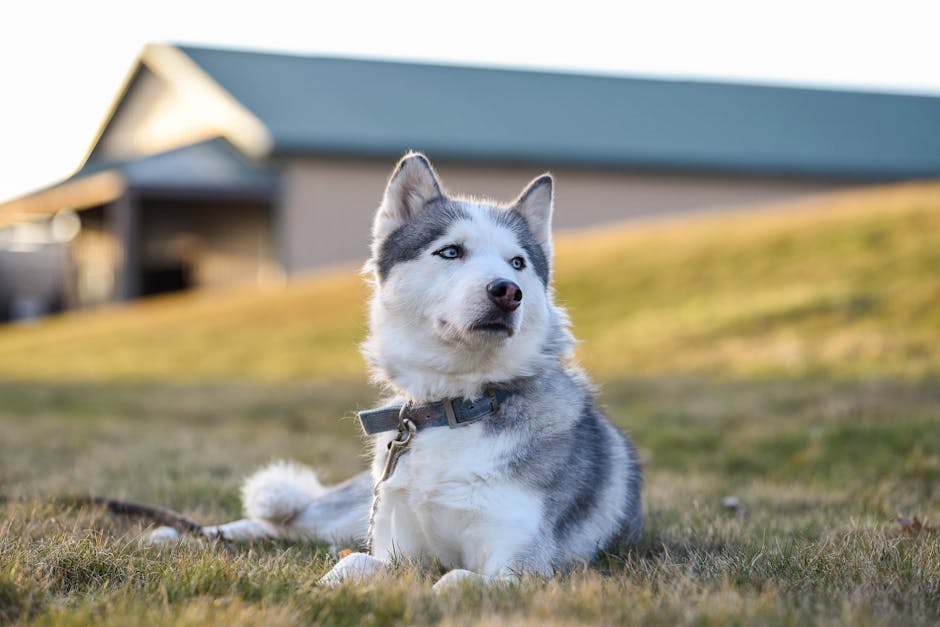
Why Is My Husky So Itchy? Understanding the Root Causes
If you've noticed your Siberian Husky constantly scratching, licking, or biting at their skin, you're not alone. Itchy skin is one of the most common health complaints in this breed, and it can stem from several underlying issues. Unlike some other breeds, Huskies have a thick double coat that can trap allergens, moisture, and irritants close to the skin, making them particularly prone to pruritus (itching). Identifying the root cause is the first step toward effective relief.
Common Causes of Itchy Skin in Huskies
- Environmental Allergies (Atopic Dermatitis): Pollen, dust mites, mold, and grass are frequent triggers. Huskies often show seasonal itching, especially on the paws, belly, and face.
- Food Allergies or Intolerances: Proteins like chicken, beef, dairy, or grains can cause chronic itching. Symptoms may include ear infections, red skin, and gastrointestinal upset.
- Flea Allergy Dermatitis: Even one flea bite can cause intense itching in sensitive dogs. Check for flea dirt or live fleas, especially around the tail base.
- Contact Dermatitis: Shampoos, carpet cleaners, or even certain fabrics can irritate your Husky's skin. Look for localized redness where the substance touched.
- Parasites: Mites (sarcoptic or demodectic), lice, or ticks can cause severe itching. Hair loss and scabs often accompany mite infestations.
- Dry Skin: Low humidity, excessive bathing, or poor diet can strip natural oils, leading to flaky, itchy skin.
- Secondary Infections: Constant scratching can break the skin, allowing bacteria or yeast to thrive, creating a vicious itch-scratch cycle.
Recognizing the Symptoms: More Than Just Scratching
While scratching is the most obvious sign, Huskies may show other behaviors or physical changes. Pay attention to:
- Excessive licking of paws or legs
- Rubbing against furniture or the floor
- Red, inflamed skin or hot spots (moist, oozing lesions)
- Hair loss, especially on the back, tail, or flanks
- Dandruff or greasy coat
- Ear infections (head shaking, odor, discharge)
- Foul skin odor
Diagnosing the Cause: When to Visit the Vet
Before trying home remedies, it's crucial to get a proper diagnosis. Your veterinarian may perform:
- Skin Scraping: To check for mites or fungal spores.
- Allergy Testing: Intradermal or blood tests for environmental allergens.
- Food Trial: Feeding a novel protein or hydrolyzed diet for 8–12 weeks.
- Cytology: Swabbing ears or skin to identify bacteria or yeast.
Once the cause is identified, treatment can be targeted. Below is a table summarizing common diagnostic approaches:
| Suspected Cause | Diagnostic Test | Time to Results |
|---|---|---|
| Environmental Allergies | Intradermal skin test or blood (IgE) test | 1-2 weeks |
| Food Allergy | Strict elimination diet trial | 8-12 weeks |
| Flea Allergy | Visual inspection, flea comb, intradermal test | Immediate |
| Mange (Mites) | Skin scraping under microscope | Same day |
| Yeast/Bacterial Infection | Cytology (tape prep or swab) | Same day |
Treating Husky Itchy Skin: A Multi-Pronged Approach
1. Medications and Veterinary Treatments
- Antihistamines: Benadryl (diphenhydramine) or Zyrtec (cetirizine) may control mild itching. Always check dosage with your vet.
- Corticosteroids (e.g., prednisone): Fast-acting but best for short-term use due to side effects.
- Immunomodulators: Apoquel (oclacitinib) or Cytopoint injections target itch pathways without steroids.
- Antibiotics/Antifungals: For secondary infections.
- Flea/Tick Prevention: Monthly topical or oral treatments (e.g., NexGard, Bravecto).
2. Diet and Nutrition for Skin Health
A balanced diet rich in omega-3 and omega-6 fatty acids can strengthen the skin barrier and reduce inflammation. Consider:
- Fish Oil Supplements: Look for salmon or cod liver oil. Dose: ~1000 mg per 30 lbs of body weight.
- Novel Protein Diets: If food allergy is suspected, switch to venison, duck, or kangaroo.
- Grain-Free or Limited Ingredient Diets: Helpful for dogs with grain sensitivities.
- Probiotics: Support gut health, which is linked to skin immunity.
3. Environmental Management
- Regular Grooming: Brush your Husky 2-3 times a week and bathe only every 4-6 weeks using a hypoallergenic shampoo (e.g., oatmeal-based). Overbathing strips oils.
- Allergen Control: Use HEPA air filters, wash bedding weekly in hot water, and wipe paws after outdoor walks.
- Moisturize: Leave-in conditioners or coconut oil applied sparingly can soothe dry patches.
4. Home Remedies and Natural Relief
- Cool Compresses: A damp, cool cloth applied to itchy spots for 10 minutes can reduce inflammation.
- Apple Cider Vinegar Rinse (Diluted): 1 part ACV to 3 parts water – spray on affected areas (avoid open wounds).
- Chamomile Tea Soak: Steep tea, let cool, and pour over irritated skin.
- Epsom Salt Baths: 1 cup in warm bath water helps soothe and reduce swelling.
Important: Always consult your veterinarian before trying home remedies, especially if your Husky has broken skin or severe symptoms.
Prevention: Keeping Your Husky Itch-Free Long-Term
- Maintain a consistent flea and tick prevention program year-round.
- Feed a high-quality diet appropriate for your dog's age and sensitivities.
- Avoid over-bathing and use gentle, veterinary-approved cleansers.
- Keep your home clean and reduce dust, mold, and pollen.
- Monitor your Husky's skin regularly – early detection of hot spots or infections is key.
When Itchy Skin Is a Sign of Something More Serious
In rare cases, persistent itching can indicate autoimmune diseases like pemphigus or hypothyroidism. Look for additional signs such as lethargy, weight changes, or unusual skin lesions. If your Husky's condition doesn't improve with basic treatments, or if they seem in significant distress, seek veterinary care promptly.
Final Thoughts on Husky Itchy Skin
Itchy skin can be frustrating for both you and your Husky, but with patience and a systematic approach, relief is achievable. Start by consulting your vet to rule out serious issues, then combine medical treatment with diet adjustments and environmental changes. Remember, Huskies are resilient dogs, and with your care, they can bounce back to their happy, active selves.
Recommended Products for Your Husky
As an Amazon Associate, we earn from qualifying purchases. Learn more.
- Husky Care Essentials — Check price on Amazon
- Best-Selling Dog Gear — Check price on Amazon
- Newest Husky Products — Check price on Amazon
Frequently Asked Questions
How do I spot illness early?
Watch for appetite loss, lethargy, vomiting, diarrhea, limping, or eye changes. Huskies hide pain, so subtle shifts matter.
Are Huskies prone to eye problems?
Yes — cataracts and progressive retinal atrophy occur in the breed. Annual eye exams by a veterinary ophthalmologist are wise.
How do I maintain dental health?
Brush teeth 2–3 times weekly, offer dental chews, and schedule professional cleanings. Small breeds aren't the only ones with tartar.
Editor's Note
Our editors keep a poison cheat-sheet on the fridge: grapes, xylitol, onions, antifreeze. We've talked more than one panicked owner down from a grape incident. Knowing the number for poison control beats Googling it mid-crisis.
Sources & Further Reading
HuskySpot researches each topic against recognized breed and veterinary authorities. The following organizations inform our content: