If your Siberian Husky is constantly scratching, licking its paws, or developing red, irritated skin, a skin allergy might be the culprit. Huskies are prone to various allergies that affect their skin, causing discomfort and potential secondary infections. This comprehensive guide covers everything you need to know about husky skin allergies—from causes and symptoms to effective treatments and prevention strategies.
What Is a Husky Skin Allergy?
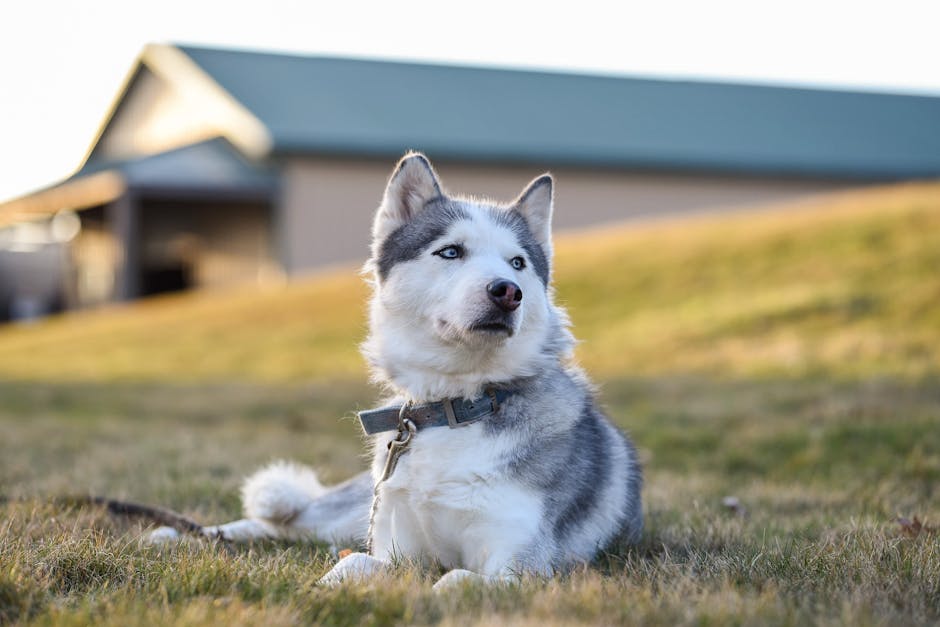
A skin allergy occurs when a husky’s immune system overreacts to a normally harmless substance (allergen). The resulting inflammation leads to itching, redness, hair loss, and sometimes hot spots. Unlike humans who sneeze, dogs typically show allergies through their skin. Huskies, with their thick double coats, are especially prone to developing allergies due to genetic predisposition and environmental factors.
Common Causes of Skin Allergies in Huskies
Environmental Allergens
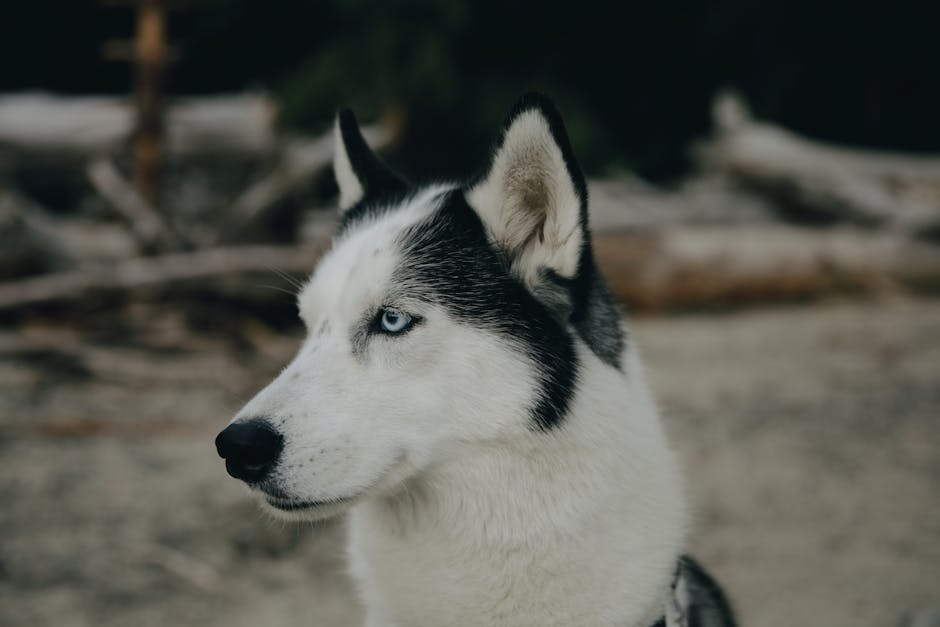
Pollen, mold, dust mites, and grass are the most common environmental triggers. Seasonal allergies (atopic dermatitis) often appear in spring and fall when pollen counts are high. Husky owners in regions with high humidity or abundant plant life should be especially vigilant.
Food Allergies
Food allergies in huskies typically develop to protein sources like beef, chicken, dairy, or eggs, and sometimes to grains like wheat or corn. A food allergy may cause chronic ear infections, gastrointestinal upset, and persistent itching around the face, paws, and belly.
Contact Allergies
Direct contact with irritants such as certain shampoos, carpet cleaners, flea collars, or synthetic fabrics can cause localized skin reactions. Huskies with contact allergies often show symptoms on their belly, paws, or muzzle—areas that come into direct contact with the offending substance.
Flea Allergy Dermatitis
Even a single flea bite can trigger an intense allergic reaction in sensitive huskies. This condition causes severe itching, especially around the tail base, groin, and thighs. Year-round flea prevention is crucial for managing this allergy.
Symptoms of Skin Allergies in Huskies
- Excessive scratching, licking, or chewing at the skin
- Red, inflamed, or flaky skin
- Hair loss or bald patches
- Hot spots (moist, red, oozing lesions)
- Chronic ear infections (yeasty smell, head shaking)
- Paw licking or chewing (often brownish staining on fur)
- Rubbing face against furniture or carpet
- Secondary bacterial or yeast skin infections
Diagnosing Your Husky’s Skin Allergy
If you suspect a skin allergy, visit your veterinarian. The diagnostic process typically includes:
- Physical exam: Checking for patterns of hair loss, redness, and infection.
- Skin scrapings and cytology: To rule out mites or identify secondary infections.
- Allergy testing: Intradermal skin testing or blood tests (serum IgE) to pinpoint environmental triggers.
- Food elimination trial: Feeding a novel protein or hydrolyzed protein diet for 8–12 weeks to rule out food allergies.
- Trichogram: Microscopic examination of plucked hairs to check for fungal infections.
Your vet may recommend a combination of these tests based on your husky’s history and symptoms.
Treatment Options for Husky Skin Allergies
Medications
Antihistamines (e.g., cetirizine, diphenhydramine) can help mild cases but are often less effective in dogs than humans. Corticosteroids like prednisone provide rapid relief for severe itching but should be used sparingly due to side effects. Newer options include:
- Apoquel (oclacitinib): A fast-acting oral medication that targets itch signals – works within 4–24 hours.
- Cytopoint injections: Monthly monoclonal antibody injections that neutralize itch-inducing proteins – safe for long-term use.
Topical Treatments
Medicated shampoos with chlorhexidine, ketoconazole, or oatmeal can soothe the skin and reduce bacterial/yeast overgrowth. Leave-on conditioners or sprays containing hydrocortisone or ceramides help restore the skin barrier. Always use products specifically formulated for dogs.
Dietary Changes
If food allergy is confirmed, switch to a limited-ingredient diet with a novel protein (e.g., rabbit, venison, fish) or a hydrolyzed protein diet. Consider adding omega-3 fatty acid supplements (fish oil) to reduce inflammation. Some huskies benefit from probiotics to support gut health and immune regulation.
Allergen Immunotherapy
For environmental allergies, hyposensitization (allergy shots or sublingual drops) can be highly effective. Over 6–12 months, your husky’s immune system builds tolerance to specific allergens. This treatment requires commitment but offers long-term relief without heavy medications.
Supplements
In addition to omega-3s, other supplements may help:
- Quercetin: A natural flavonoid with antihistamine properties.
- Colostrum: Contains immunoglobulins that may calm allergic responses.
- Vitamin E and coconut oil: Support skin health when used topically or in diet.
| Treatment Type | Examples | Pros | Cons |
|---|---|---|---|
| Antihistamines | Cetirizine, diphenhydramine | Low cost, OTC | Variable effectiveness, sedation |
| Steroids | Prednisone | Rapid relief | Side effects with long-term use |
| Apoquel | Oclacitinib | Fast-acting, safe | Cost, daily dosing |
| Cytopoint | Monoclonal antibody | Long-lasting (4–8 weeks) | Injection, cost |
| Immunotherapy | Allergy shots/drops | Address root cause | Time to see improvement |
Home Care and Prevention Tips
- Regular bathing: Bathe your husky every 2–4 weeks with a vet-recommended medicated or hypoallergenic shampoo to remove allergens from the coat.
- Allergen avoidance: Wipe your husky’s paws and belly after walks using a damp cloth or pet-safe wipes. Use air purifiers with HEPA filters indoors. Wash bedding weekly in hot water.
- Flea prevention: Use year-round flea control products (oral, topical) suitable for your husky’s weight and health status.
- Dietary support: Feed a high-quality diet with balanced omega-6 to omega-3 ratio. Consider adding a fish oil supplement (consult vet for dosage).
- Environmental management: Keep your home clean, vacuum regularly, and avoid using harsh chemicals or synthetic fragrances.
- Stress reduction: Anxiety can worsen allergies. Provide mental stimulation and regular exercise to keep your husky calm and healthy.
- Monitor and document: Keep a journal of symptoms, flare-ups, and potential triggers to help your vet fine-tune treatment.
When to See a Vet
Schedule an appointment if your husky experiences:
- Persistent itching or licking that disrupts daily life or sleep.
- Open sores, hot spots, or signs of infection (pus, foul odor).
- Hair loss in patches or thinning coat.
- Ear infections that recur despite treatment.
- No improvement after trying home remedies or over-the-counter products.
Early intervention reduces the risk of secondary infections and chronic skin damage. Your vet can create a tailored management plan that balances relief with minimal side effects.
Conclusion
Husky skin allergies can be challenging, but with proper diagnosis and a multi-faceted approach, most dogs enjoy comfortable, itch-free lives. By understanding common triggers, recognizing symptoms early, and working closely with your veterinarian, you can help your Siberian Husky thrive. Remember, managing allergies is often a long-term commitment, but the reward is a happy, healthy companion by your side.
If you suspect your husky has a skin allergy, start with a vet visit. Meanwhile, implement the home care tips above to support your dog’s skin health. Your husky deserves relief—and you deserve peace of mind.
Recommended Products for Your Husky
As an Amazon Associate, we earn from qualifying purchases. Learn more.
- Husky Care Essentials — Check price on Amazon
- Best-Selling Dog Gear — Check price on Amazon
- Newest Husky Products — Check price on Amazon
Frequently Asked Questions
How do I maintain dental health?
Brush teeth 2–3 times weekly, offer dental chews, and schedule professional cleanings. Small breeds aren't the only ones with tartar.
What flea and tick prevention is best?
Oral or topical preventives from your vet beat OTC products. Tick-borne disease is rising in many Husky-friendly climates.
What health problems do Huskies have?
Main concerns are hip dysplasia, eye conditions (cataracts, PRA), and hypothyroidism. Reputable breeders screen with OFA and CERF.
Editor's Note
One thing we always tell new owners: learn your husky's normal. Gum color, breathing rate, stool consistency. The owners who knew the baseline caught real emergencies fast; the ones who didn't lost precious hours.
Sources & Further Reading
HuskySpot researches each topic against recognized breed and veterinary authorities. The following organizations inform our content: