Husky ear infections, also known as canine otitis externa, are a common yet often misunderstood health issue in Siberian Huskies. Despite their erect, well-ventilated ears, Huskies can suffer from painful ear conditions triggered by allergies, moisture, ear mites, or underlying health problems. As a responsible owner, recognizing the early signs and understanding the root causes is important for preventing chronic infections and preserving your Husky's hearing and comfort. In this comprehensive guide, we'll cover everything from ear anatomy and common triggers to treatment options and long-term prevention strategies.
Understanding Your Husky's Ear Anatomy
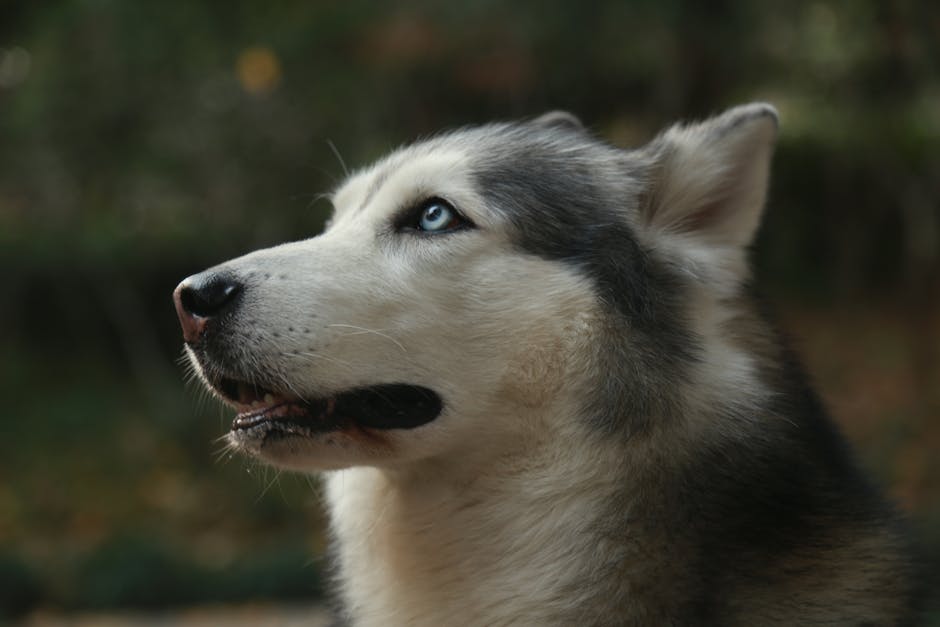
The Siberian Husky has a distinctive ear shape: tall, triangular, and firmly erect. This upright structure allows for better air circulation compared to floppy-eared breeds, which helps reduce moisture buildup. However, the ear canal is still L-shaped (vertical and horizontal sections), making it prone to trapping debris, wax, and moisture if not properly maintained. The skin lining the ear canal is delicate and can become inflamed quickly when exposed to allergens, bacteria, or yeast.
Because of this anatomy, routine cleaning and monitoring are crucial. Even with good airflow, Huskies can develop infections if their immune system is compromised or if they have environmental or food allergies that lead to excessive wax production.
Common Causes of Ear Infections in Huskies
Husky ear infections rarely occur without an underlying cause. Identifying the root factor is key to effective treatment and prevention. The most common causes include:
Allergies (Environmental & Food)
Allergies are the number one trigger for ear infections in Huskies. Pollen, dust mites, mold, or ingredients in dog food (like chicken, beef, or grains) can cause systemic inflammation that manifests in the ears. When a Husky eats a food they are sensitive to, the skin inside the ear canal may produce more wax and become more susceptible to bacterial or yeast overgrowth.
Moisture Trapping
Even though Husky ears are upright, water can still enter the ear canal during baths, swimming, or even rainy walks. If the ear does not dry completely, the warm, dark environment becomes a breeding ground for bacteria and yeast.
Ear Mites & Parasites
Ear mites (Otodectes cynotis) are tiny parasites that can infest a Husky's ear canal, causing intense itching and inflammation. While less common in adult dogs with regular vet care, puppies or dogs exposed to infested animals are at risk.
Foreign Bodies
Plant awns, grass seeds, or small debris can become lodged in the ear canal, leading to a mechanical irritation that quickly develops into an infection. Huskies that explore dense vegetation or play in fields are more prone to this.
Underlying Health Conditions
Hypothyroidism, autoimmune disorders, or hormonal imbalances can weaken the skin's defenses and make a Husky more susceptible to chronic ear infections. If your dog has recurrent episodes despite good care, your vet may recommend blood work to rule out these issues.
Signs and Symptoms to Watch For
Recognizing an ear infection early can save your Husky from pain and prevent complications. Look for these signs:
- Frequent head shaking or tilting
- Scratching at the ears or rubbing them against furniture
- Redness, swelling, or warmth around the ear flap
- Unpleasant odor emanating from the ear
- Dark, waxy, or pus-like discharge (yellow, brown, or black)
- Pain or sensitivity when touching the ear or base of the ear
- Loss of balance or disorientation (in severe inner ear infections)
- Hearing loss or unresponsiveness to sounds
If you notice any combination of these symptoms, schedule a veterinary appointment promptly. Delaying treatment can lead to chronic changes, such as thickening of the ear canal or rupture of the eardrum.
Diagnosis: When to See a Vet
Self-diagnosis is risky because the symptoms of bacterial, yeast, and mite infections can look similar but require different treatments. Your veterinarian will perform a thorough examination, which may include:
- Otoscopic exam: To look deep into the ear canal and assess the condition of the eardrum.
- Cytology (ear swab): A sample of discharge is examined under a microscope to identify bacteria, yeast, or mites.
- Culture and sensitivity test: If the infection is recurrent or severe, this test determines which antibiotic will be most effective.
- Blood tests: To check for underlying allergies, thyroid function, or other systemic conditions.
A correct diagnosis is essential because using the wrong medication (e.g., using an antibiotic when a yeast infection is present) will not resolve the problem and can worsen the condition.
Treatment Options for Husky Ear Infections
Treatment depends on the cause and severity of the infection. Your vet will prescribe a specific plan, which may include:
Medicated Ear Drops or Ointments
Topical treatments are the most common solution. They often contain a combination of an antibiotic (for bacteria), antifungal (for yeast), and an anti-inflammatory (to reduce pain and swelling). Be sure to follow the frequency and duration exactly as prescribed, even if symptoms improve quickly.
Oral Medications
For severe or chronic infections, your vet may prescribe oral antibiotics, antifungals, or corticosteroids. Oral steroids help reduce inflammation quickly and ease discomfort, but they should only be used under veterinary supervision.
Ear Cleaning by a Professional
If the ear is packed with debris, a deep cleaning may be necessary. This is usually done under sedation to avoid pain and ensure the ear canal is thoroughly flushed. Never attempt to clean a painful ear at home without guidance, as you may push infection deeper.
Surgery
In extreme cases where the ear canal becomes permanently narrowed or the eardrum is damaged, a surgical procedure called a lateral ear resection (or total ear canal ablation) may be recommended. This is rare and only considered for chronic, intractable infections.
Home Care and Prevention
Preventing ear infections involves a combination of regular maintenance and addressing underlying factors. Here are practical tips to keep your Husky's ears healthy:
- Weekly ear checks: Look for redness, discharge, or odor. Get your Husky used to ear handling from puppyhood to reduce stress.
- Proper cleaning technique: Use a veterinarian-recommended ear cleaning solution. Apply a few drops into the ear, gently massage the base for 20–30 seconds, then allow your Husky to shake out the debris. Wipe away visible dirt with a cotton ball (never use cotton swabs deep inside the canal).
- Dry ears after water exposure: After baths or swimming, gently dry the ear opening with a soft towel or use a drying solution prescribed by your vet.
- Manage allergies: Work with your vet to identify and eliminate allergens. This may involve a food elimination diet, environmental controls, or allergy medications like antihistamines or immunotherapy.
- Keep ear hair trimmed: While Huskies have minimal ear hair, some individuals may have hair around the ear opening that can trap moisture. A groomer can safely trim it.
- Regular vet check-ups: Annual wellness exams allow your vet to catch early signs of ear problems before they become full-blown infections.
The Role of Diet and Allergies
Diet plays a significant role in ear health, especially for Huskies with food sensitivities. Common allergens include chicken, beef, dairy, wheat, and corn. A novel protein diet (e.g., venison, duck, or fish) or a hydrolyzed protein diet can help determine if food is the culprit. Omega-3 fatty acids (found in fish oil) also support skin health and reduce inflammation, potentially lowering the frequency of ear infections. Consult your vet before making dietary changes.
Frequently Asked Questions
Can I use home remedies like vinegar or alcohol for my Husky's ear infection?
No. Home remedies can be dangerous if the eardrum is ruptured or the skin is extremely inflamed. They may also disrupt the ear's natural microbiome and cause pain. Always stick to vet-approved treatments.
How long does it take for a Husky ear infection to heal?
With proper treatment, most ear infections improve within 7–14 days. Chronic infections may require longer therapy and ongoing management.
Are Huskies more prone to ear infections than other breeds?
Huskies have a lower risk than floppy-eared breeds but are still susceptible due to their high incidence of allergies. The key is proactive prevention.
Can ear infections cause deafness in Huskies?
If left untreated, severe or chronic infections can damage the inner ear structures, leading to permanent hearing loss. Early treatment is crucial.
Summary
Husky ear infections are a manageable but serious health issue that requires a combination of veterinary care, regular maintenance, and lifestyle adjustments. By understanding the anatomy of your Husky's ears, recognizing the signs early, and addressing underlying causes like allergies, you can minimize the risk of painful, recurring infections. Always consult your veterinarian for an accurate diagnosis and treatment plan. With proper care, your Siberian Husky can enjoy a lifetime of healthy, happy ears.
Disclaimer: This article is for informational purposes only and does not replace professional veterinary advice. If you suspect your Husky has an ear infection, please consult your veterinarian.
Recommended Products for Your Husky
As an Amazon Associate, we earn from qualifying purchases. Learn more.
- Husky Care Essentials — Check price on Amazon
- Best-Selling Dog Gear — Check price on Amazon
- Newest Husky Products — Check price on Amazon
Editor's Note
Our editors keep a poison cheat-sheet on the fridge: grapes, xylitol, onions, antifreeze. We've talked more than one panicked owner down from a grape incident. Knowing the number for poison control beats Googling it mid-crisis.
Sources & Further Reading
HuskySpot researches each topic against recognized breed and veterinary authorities. The following organizations inform our content: