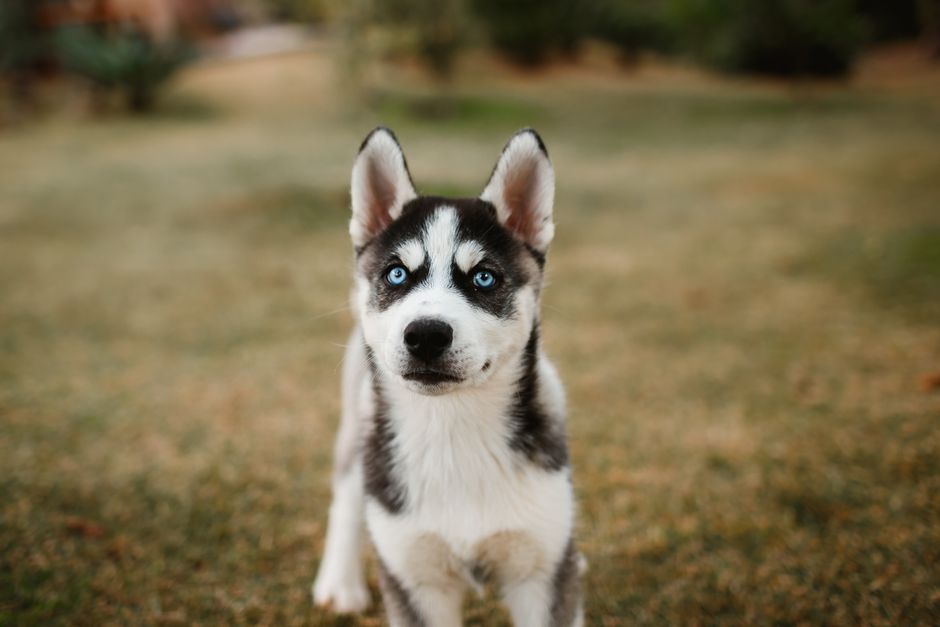
As a devoted Siberian Husky owner, you know that your furry friend's striking blue or multi-colored eyes are one of their most captivating features. However, those beautiful eyes are also prone to several inherited and acquired conditions. Understanding husky eye problems is important for maintaining your dog's vision and overall quality of life. This comprehensive guide covers the most common eye issues in the breed, symptoms to watch for, diagnosis, treatment, and preventive measures you can take at home.
Common Eye Problems in Siberian Huskies
Siberian Huskies are genetically predisposed to several eye conditions. The most frequently encountered include cataracts, corneal dystrophy, progressive retinal atrophy (PRA), glaucoma, and uveitis. Each condition has distinct characteristics, progression patterns, and treatment approaches.
Cataracts
Cataracts involve a clouding of the lens inside the eye, leading to blurred vision and eventual blindness if untreated. In Huskies, cataracts often appear at a young age (juvenile cataracts) and can be inherited. They may also develop later in life due to diabetes, trauma, or aging.
Tip: Regularly check your Husky's eyes for any opaque or bluish-white areas in the pupil. Early detection can slow progression with dietary antioxidants or surgical intervention.
Corneal Dystrophy
This condition affects the cornea, causing it to become opaque due to lipid or calcium deposits. It is usually bilateral and non-painful initially, but can lead to vision impairment. Huskies are particularly prone to endothelial corneal dystrophy, which affects the innermost layer.
Tip: Keep your Husky's eyes lubricated with vet-approved eye drops if mild dryness occurs. Avoid rubbing or scratching the eye.
Progressive Retinal Atrophy (PRA)
PRA is a degenerative disease of the retina that leads to night blindness initially and progresses to total blindness over months to years. It is an inherited condition with no cure. DNA testing is available to identify carriers.
Tip: Have your Husky tested for PRA genes before breeding. For affected dogs, create a safe home environment with consistent furniture placement.
Glaucoma
Glaucoma results from increased intraocular pressure, causing pain, redness, and potential optic nerve damage. Primary glaucoma is inherited in Huskies, while secondary glaucoma arises from inflammation or injury. It is a medical emergency.
Tip: Learn to recognize symptoms like squinting, cloudy cornea, or dilated pupils. Immediate veterinary attention can save sight.
Uveitis
Uveitis is inflammation of the uveal tract (iris, ciliary body, choroid). It can be caused by infections, immune-mediated disease, trauma, or cancer. Symptoms include redness, pain, light sensitivity, and blurred vision.
Tip: Do not use over-the-counter eye drops without a vet's diagnosis, as some steroids can worsen infections.
Symptoms to Watch For
Early detection improves prognosis. Monitor your Husky for these signs:
- Cloudiness, opacity, or white spots in the eye
- Excessive tearing or discharge (clear, yellow, or green)
- Squinting or blinking more than usual
- Redness of the white part or inner lining
- Pawing at the eye or rubbing face on furniture
- Bumping into objects, especially in dim light
- Dilated pupils that don't constrict in bright light
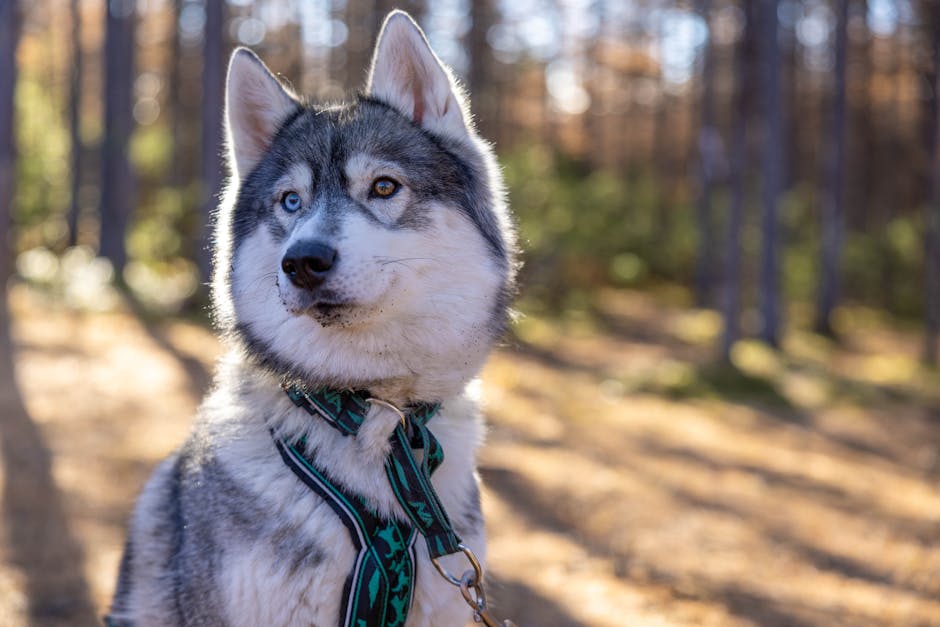
- Change in eye color or asymmetry
Any combination of these symptoms warrants a veterinary eye exam.
Causes and Risk Factors
Husky eye problems stem from genetics, environment, and overall health. Key risk factors include:
| Factor | Explanation |
|---|---|
| Genetics | Inherited mutations for cataracts, PRA, glaucoma, and corneal dystrophy are common in the breed. Responsible breeders screen their dogs. |
| Age | Senior Huskies are more prone to cataracts, glaucoma, and retinal degeneration. |
| Nutrition | Poor diet lacking antioxidants (vitamins C, E, lutein) may accelerate lens and retinal damage. |
| Trauma | Scratches, foreign bodies, or blunt force can cause corneal ulcers, uveitis, or lens dislocation. |
| Infections | Bacterial, viral (e.g., canine distemper), or fungal infections can lead to uveitis or keratitis. |
| Systemic Disease | Diabetes, hypertension, and hypothyroidism contribute to eye problems like cataracts and retinal detachment. |
Diagnosis and Veterinary Care
A veterinary ophthalmologist uses specialized tools to diagnose husky eye problems. Common tests include:
- Schirmer tear test: Measures tear production for dry eye (keratoconjunctivitis sicca).
- Fluorescein stain: Detects corneal ulcers and scratches.
- Tonometry: Measures intraocular pressure to diagnose glaucoma.
- Slit lamp biomicroscope: Examines anterior structures like cornea, iris, and lens for cataracts or inflammation.
- Ophthalmoscopy: Examines retina and optic nerve for PRA or retinal detachment.
- DNA tests: Identify genetic mutations for hereditary conditions.
Tip: Schedule annual eye exams for your Husky, especially if they come from a line with known eye issues. Early diagnosis can preserve vision.
Treatment Options
Treatment depends on the specific condition and severity. Options range from medical management to surgery:
- Cataracts: Phacoemulsification (ultrasound lens removal) with artificial lens implant is the gold standard. Antioxidant supplements may slow early cataracts but cannot reverse them.
- Corneal dystrophy: Often managed with lubricating drops and avoiding trauma. In severe cases, corneal grafting surgery may be considered.
- PRA: No cure; focus on supportive care, home adjustments, and antioxidant therapy to slow progression.
- Glaucoma: Emergency pressure-lowering eye drops (e.g., latanoprost) and oral medications. Surgery (e.g., laser cyclophotocoagulation or shunt placement) may be needed.
- Uveitis: Treat underlying cause; anti-inflammatory drops (steroids or NSAIDs) and systemic immunosuppressants.
Always follow your vet's treatment plan and attend follow-up appointments. Some conditions require lifelong management.
Prevention and Daily Care Tips
While you cannot prevent genetic conditions, you can reduce risks and support eye health:
- Choose a responsible breeder: Ask for CERF (Canine Eye Registration Foundation) exams and DNA test results on both parents.
- Provide a balanced diet: Include omega-3 fatty acids, vitamin A (from beta-carotene), and antioxidants. Examples: blueberries, carrots, spinach, fish oil.
- Protect from UV exposure: Consider dog goggles (Doggles) when in bright snow or sun, especially for light-eyed Huskies.
- Keep eyes clean: Gently wipe away discharge with a soft, damp cloth. Avoid using human eye products.
- Avoid trauma: Discourage face play with other dogs, and keep sharp objects away from eye level.
- Monitor medications: Some drugs (e.g., sulfonamides) can cause eye issues. Discuss with your vet.
- Maintain overall health: Control diabetes, blood pressure, and thyroid levels to reduce secondary eye disease.
When to See a Vet
You should contact your veterinarian immediately if your Husky shows any of the following:
- Sudden blindness (e.g., bumping into walls)
- Severe squinting or eye pain (pawing, whimpering)
- Eye discharge that is thick, yellow, or green
- Visible injury or bleeding in the eye
- Cloudy or white appearance that develops quickly
- One eye appears larger than the other
Emergency sign: A red, painful eye with a fixed, dilated pupil is a medical emergency for glaucoma. Do not wait.
Understanding husky eye problems empowers you to act early and provide the best care for your four-legged companion. With proper veterinary attention, many issues can be managed successfully, allowing your Husky to enjoy a happy, active life despite vision challenges. Keep these tips in mind, and always consult a professional for specific concerns.
Recommended Products for Your Husky
As an Amazon Associate, we earn from qualifying purchases. Learn more.
- Husky Care Essentials — Check price on Amazon
- Best-Selling Dog Gear — Check price on Amazon
- Newest Husky Products — Check price on Amazon
Frequently Asked Questions
What vaccines does my Husky need?
Core vaccines: rabies, distemper, parvovirus, adenovirus. Your vet may add leptospirosis or bordetella based on risk.
How do I spot illness early?
Watch for appetite loss, lethargy, vomiting, diarrhea, limping, or eye changes. Huskies hide pain, so subtle shifts matter.
Are Huskies prone to eye problems?
Yes — cataracts and progressive retinal atrophy occur in the breed. Annual eye exams by a veterinary ophthalmologist are wise.
Editor's Note
We've tracked hypothyroidism across dozens of huskies and the signs are sneaky—weight gain, lethargy, thin coat. Annual bloodwork caught it early in clients who might have written it off as simply aging.
Sources & Further Reading
HuskySpot researches each topic against recognized breed and veterinary authorities. The following organizations inform our content: