Husky itchy ears are a common problem that can cause significant discomfort for your furry friend. If you’ve noticed your Husky constantly scratching its ears or shaking its head, you’re not alone. This comprehensive guide will cover everything you need to know about why Huskies get itchy ears, how to identify the cause, and what you can do to help them find relief.
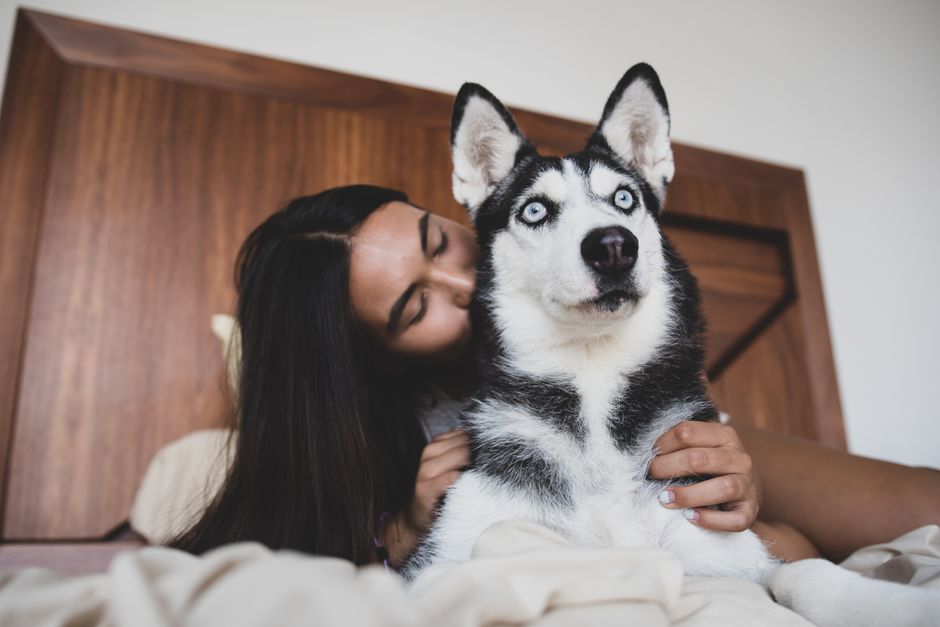
Why Do Huskies Have Itchy Ears?
Huskies have erect ears that are well-ventilated, but they are still prone to ear issues due to several factors. Their thick double coat can trap moisture and debris, and their genetics often predispose them to allergies and autoimmune conditions. Common causes of itchy ears include:
- Allergies – Environmental allergens (pollen, dust mites) or food allergies (chicken, beef, grains) often manifest in the ears.
- Ear Infections – Bacterial or yeast overgrowth, especially in warm, moist environments.
- Ear Mites – Highly contagious parasites that cause intense itching.
- Foreign Objects – Grass awns, burrs, or dirt that get lodged in the ear canal.
- Moisture – Water trapped after swimming or bathing leads to inflammation.
- Excessive Wax Buildup – Can create a breeding ground for infections.
- Hypothyroidism – A hormonal imbalance that can cause chronic ear problems.
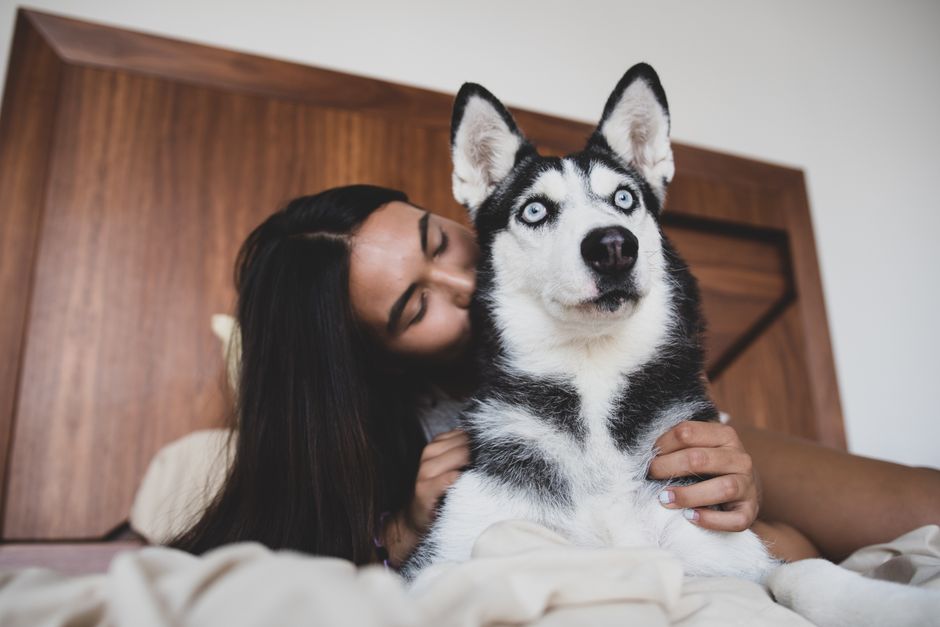
Signs and Symptoms of Itchy Ears in Huskies
It’s important to recognize the early signs of ear discomfort. Look for these symptoms:
- Persistent scratching at the ears or surrounding area
- Frequent head shaking or tilting
- Redness, swelling, or inflammation of the ear flap or canal
- Discharge – brown, yellow, or black; sometimes bloody or pus-like
- Foul odor coming from the ear
- Hair loss or scabs around the ears due to scratching
- Pain when the ears are touched
- In severe cases, loss of balance or hearing changes
Common Causes in Detail
Allergies
Huskies are prone to atopic dermatitis (environmental allergies) and food allergies. Allergens cause inflammation in the ear canal, leading to itching and secondary infections. Common food triggers include chicken, beef, dairy, wheat, and soy. Environmental triggers like pollen, mold, and dust mites are also frequent culprits.
Ear Infections (Otitis Externa)
Infections are often caused by bacteria or yeast. Bacterial infections produce a thick, pus-like discharge and a foul smell, while yeast infections create a dark, waxy discharge with a sweet or musty odor. Chronic infections can lead to narrowing of the ear canal and hearing loss if untreated.
Ear Mites
Ear mites (Otodectes cynotis) are tiny parasites that live in the ear canal. They cause intense itching and a dark coffee-ground-like discharge. Mites are highly contagious to other pets but rarely affect humans.
Foreign Bodies
Grass seeds, foxtails, and other plant material can easily enter a Husky’s ear during outdoor adventures. They cause immediate irritation and can lead to infection if not removed promptly.
Moisture and Swimmer’s Ear
Huskies love water, but moisture trapped in the ear creates an ideal environment for bacteria and yeast. Always dry your Husky’s ears thoroughly after swimming or bathing.
Hypothyroidism
An underactive thyroid can weaken the immune system, making Huskies more susceptible to chronic ear infections and skin issues. Other signs include weight gain, lethargy, and hair loss.
How to Diagnose the Cause
A veterinarian is important for an accurate diagnosis. They will:
- Examine the ear with an otoscope to check for foreign bodies, mites, or structural issues.
- Take a sample of ear discharge for cytology (microscopic examination) to identify bacteria, yeast, or mites.
- Perform allergy testing if allergies are suspected.
- Run blood tests to rule out hypothyroidism or other systemic conditions.
At-Home Care and Remedies
Once the cause is identified, you can manage mild cases at home with your vet’s guidance. Here are some safe practices:
Proper Ear Cleaning
Use a vet-recommended ear cleaner specifically for dogs. Avoid cotton swabs (Q-tips) as they can push debris deeper. Follow these steps:
- Fill the ear canal with the cleaning solution.
- Massage the base of the ear for 20-30 seconds to loosen debris.
- Let your Husky shake its head to bring debris out.
- Wipe away visible debris with a cotton ball or gauze (do not go deep).
- Repeat if necessary, but avoid over-cleaning (once a week is usually enough).
Natural Remedies (With Caution)
Some natural options may soothe mild irritation, but always consult your vet first:
- Coconut oil – Has antibacterial and antifungal properties; warm a small amount and apply to the ear flap externally.
- Diluted apple cider vinegar – Mix equal parts vinegar and water; use only if ears are not raw or infected (can sting). Do not use if there is a yeast infection as it may worsen it.
- Aloe vera – Pure gel can soothe inflammation when applied topically to the ear flap.
Treatment Options
Treatment depends on the underlying cause:
| Cause | Treatment |
|---|---|
| Bacterial infection | Antibiotic ear drops or oral antibiotics prescribed by vet |
| Yeast infection | Antifungal ear drops or oral antifungals |
| Ear mites | Topical miticide drops, often combined with cleaning |
| Allergies | Identify and avoid triggers; antihistamines, steroids, hypoallergenic diet, supplements (omega-3), or immunotherapy |
| Hypothyroidism | Daily thyroid medication (levothyroxine) under veterinary supervision |
| Foreign body | Manual removal by vet, often under sedation |
When to See a Vet
While mild itching can sometimes be managed at home, you should consult a veterinarian if you notice:
- Severe pain (crying out when touched)
- Bleeding or blood-tinged discharge
- Head tilting or circling (possible inner ear infection)
- Loss of balance or hearing
- Swollen ear flaps (aural hematoma)
- No improvement after a few days of home care
- Recurrent ear problems (multiple episodes in a year)
Preventing Itchy Ears in Huskies
Prevention is key to keeping your Husky’s ears healthy. Follow these tips:
- Regular ear checks – Inspect ears weekly for redness, discharge, or odor.
- Clean ears as needed – Once a week for maintenance, more often if your Husky is prone to issues.
- Dry ears after water exposure – Use a soft towel or a gentle hair dryer on low heat.
- Manage allergies – Work with your vet to identify triggers; consider a high-quality diet rich in omega-3 fatty acids (fish oil) to reduce inflammation.
- Groom regularly – Keep hair around the ears trimmed to improve airflow.
- Avoid over-cleaning – Too much cleaning can disrupt the ear’s natural flora.
- Use ear protection during baths – Place a cotton ball (loosely) in the ear canal to prevent water entry.
- Monitor for foreign bodies after walks in wooded or grassy areas.
Conclusion
Itchy ears in Huskies can be a frustrating issue, but with proper understanding and care, you can help your dog find relief. Identifying the root cause is important for effective treatment. If in doubt, always consult your veterinarian. By keeping your Husky’s ears clean, dry, and free of allergens, you can prevent many problems before they start. Your Husky will thank you with happy, healthy ears and a wagging tail!
Recommended Products for Your Husky
As an Amazon Associate, we earn from qualifying purchases. Learn more.
- Healthy Dog Treats — Check price on Amazon
- Dental Chews — Check price on Amazon
- Training Treats — Check price on Amazon
Frequently Asked Questions
How do I help prevent hip dysplasia?
Keep puppies lean during growth, avoid over-exercise on hard surfaces, and choose parents with good OFA scores.
What vaccines does my Husky need?
Core vaccines: rabies, distemper, parvovirus, adenovirus. Your vet may add leptospirosis or bordetella based on risk.
How do I spot illness early?
Watch for appetite loss, lethargy, vomiting, diarrhea, limping, or eye changes. Huskies hide pain, so subtle shifts matter.
Editor's Note
In our experience husky owners underrate dental care. We've seen periodontal bacteria quietly damage organs by year seven. Brushing three times a week sounds like a lot until you price a professional cleaning.
Sources & Further Reading
HuskySpot researches each topic against recognized breed and veterinary authorities. The following organizations inform our content: