Feeding a Siberian Husky might seem straightforward, but many well-meaning owners inadvertently make mistakes that can lead to health issues, weight problems, and nutritional deficiencies. This comprehensive guide explores the most common husky feeding mistakes and provides actionable advice to ensure your dog thrives.
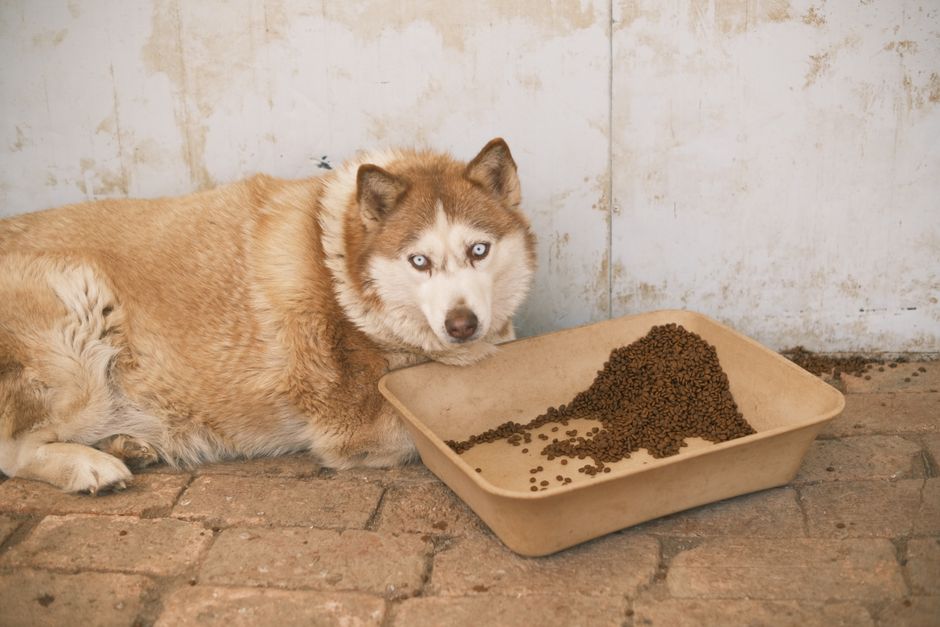
Mistake #1: Overlooking High-Quality Protein Requirements
Huskies are an active, athletic breed with a high need for quality protein. A common mistake is choosing dog food with low-quality protein sources like by-products or unnamed meat meals. Always look for a named animal protein (e.g., chicken meal, salmon) as the first ingredient. Aim for a minimum of 22-24% protein for adults and 28-30% for puppies.
Practical Tips:
- Check the ingredient list: avoid “meat meal” without specifying the animal.
- Rotate protein sources (chicken, beef, fish) to prevent allergies.
- Supplement with cooked eggs or lean meat occasionally.
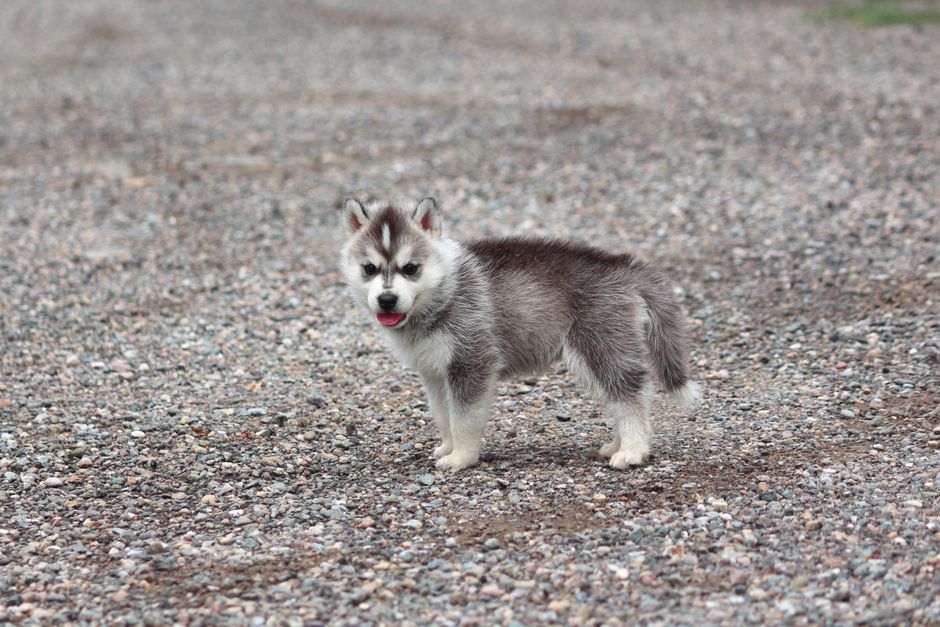
Mistake #2: Ignoring the Need for Omega-3 Fatty Acids
Huskies have a thick double coat that benefits greatly from omega-3 fatty acids for skin and coat health. Many commercial diets lack sufficient omega-3s. This can lead to dry skin, excessive shedding, and a dull coat. Include fish oil or flaxseed oil in their diet.
Practical Tips:
- Add a high-quality fish oil supplement (salmon or krill oil).
- Feed fish like sardines (canned in water) once a week.
- Choose dog food with named fish ingredients or fish meal.
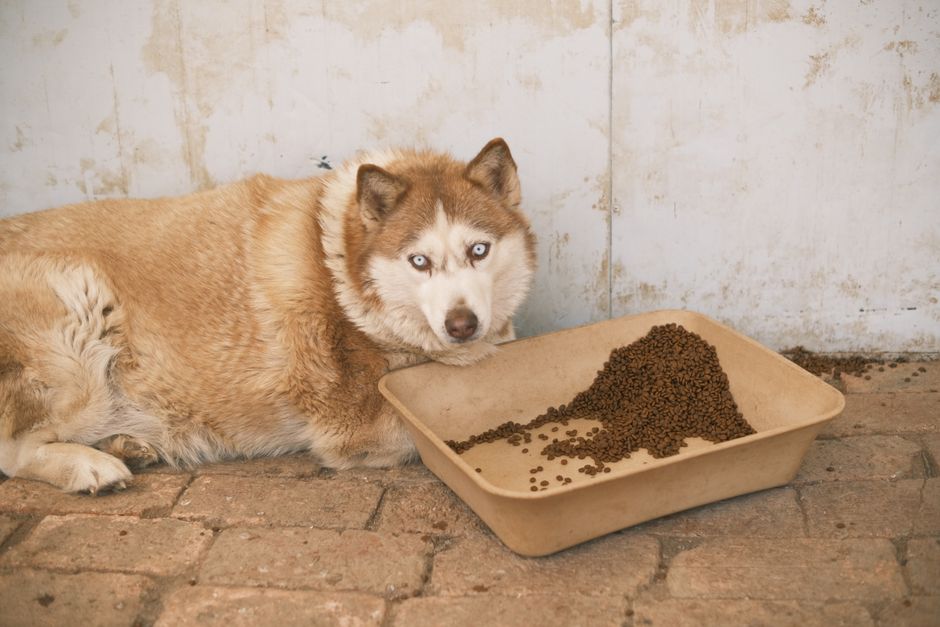
Mistake #3: Free Feeding or Inconsistent Portion Control
Huskies are known to self-regulate, but free feeding can still lead to obesity if they overeat. Many owners leave food out all day, making it hard to monitor intake. Controlled, measured meals are important for maintain a healthy weight. Use a measuring cup and follow the feeding guidelines on the food package based on your dog’s weight and activity level.
Practical Tips:
- Feed two meals a day (morning and evening) for adults.
- Adjust portions if your husky is less active (e.g., in hot weather).
- Use a slow feeder bowl to prevent gulping and bloat.
Mistake #4: Choosing a Grain-Free Diet Unnecessarily
Many owners believe grain-free diets are healthier, but for most huskies, grains like rice, oatmeal, and barley are excellent sources of energy and fiber. Grain-free foods often replace grains with potatoes or legumes, which can be high in carbohydrates and linked to dilated cardiomyopathy (DCM) in some dogs. Unless your vet advises due to an allergy, include whole grains.
Practical Tips:
- Opt for a diet with whole grains as a carbohydrate source.
- Provide a mix of soluble and insoluble fiber (e.g., pumpkin, brown rice).
- If you choose grain-free, ensure it’s from a reputable brand with a history of safety.
Mistake #5: Not Adjusting for Seasonal Changes
Huskies naturally eat less in summer and more in winter due to their arctic heritage. In hot weather, they may lose appetite and need lighter meals; in cold weather, they need extra calories to maintain body heat. Adjust portion sizes and even fat content seasonally.
Practical Tips:
- In summer, offer meals early morning or late evening when it’s cooler.
- Increase fat (e.g., fish oil) in winter for energy.
- Monitor body condition score (BCS) regularly and adjust.
Mistake #6: Offering Too Many Treats or Table Scraps
Treats are a major source of excess calories, leading to weight gain and picky eating. Some human foods (grapes, onions, chocolate) are toxic. Even safe foods can unbalance the diet if given in large amounts. Treats should make up no more than 10% of daily calories.
Practical Tips:
- Use healthy treats like baby carrots, green beans, or small pieces of apple.
- Break treats into small pieces to stretch the reward.
- Avoid sharing high-fat or salty foods (e.g., chips, cheese).
Mistake #7: Overfeeding Carbohydrates and Fillers
Many commercial dog foods contain high levels of carbs (corn, wheat, soy) as cheap fillers. Huskies do not need excessive carbs; they thrive on protein and fat. Excessive carbs can cause blood sugar spikes, weight gain, and digestive issues. Look for foods with low to moderate carbohydrate content.
Practical Tips:
- Choose foods with meat, organs, and vegetables as primary ingredients.
- Avoid foods with corn or wheat listed in the top five ingredients.
- Consider a limited ingredient diet with named meat and minimal fillers.
Mistake #8: Neglecting Hydration and Wet Food
Huskies are prone to dehydration, especially in hot weather if fed only dry kibble. Dry food contains about 10% moisture, while wet food has 75% or more. Insufficient water intake can lead to urinary tract issues and kidney stress. Ensure fresh water is always available, and consider adding wet food or broth.
Practical Tips:
- Add warm water or unsalted chicken broth to dry kibble.
- Feed canned food as a topper or mix.
- Provide water bowls in multiple locations.
Mistake #9: Sudden Diet Changes Without Transition
Abruptly switching food can cause vomiting, diarrhea, and digestive upset. Always transition over 7-10 days by gradually mixing the new food with the old. Start with 25% new/75% old, then 50/50, then 75/25, then fully new.
Practical Tips:
- If your husky has a sensitive stomach, extend the transition to 14 days.
- During transition, add a probiotic supplement to ease digestion.
- Monitor stool consistency and appetite.
Mistake #10: Choosing the Wrong Kibble Size or Shape
Huskies have a moderate-sized muzzle and can handle standard kibble, but small kibble may be swallowed without chewing, while very large kibble may be hard to pick up. Some dogs prefer a certain shape for easier eating. Consider your dog’s individual preference and dental health.
Practical Tips:
- Choose kibble size appropriate for your dog’s weight (e.g., medium-sized for average husky).
- If your dog gulps food, try a large, irregularly shaped kibble that encourages chewing.
- For puppies, use a kibble designed for small jaws.
Conclusion
Avoiding these common husky feeding mistakes will help your dog maintain a healthy weight, vibrant coat, and strong immune system. Always consult your veterinarian for personalized advice, especially if your husky has specific health conditions. Pay attention to portion sizes, ingredient quality, and individual needs, and you’ll set your husky up for a long, healthy life.
Recommended Products for Your Husky
As an Amazon Associate, we earn from qualifying purchases. Learn more.
- Husky Care Essentials — Check price on Amazon
- Best-Selling Dog Gear — Check price on Amazon
- Newest Husky Products — Check price on Amazon
Frequently Asked Questions
Should I feed grain-free food?
Grain-free is not inherently better and has been linked to heart concerns in some dogs. Whole grains are safe for most Huskies.
How do I switch dog foods safely?
Mix the new food in over 7–10 days, increasing the ratio gradually. A sudden switch causes vomiting or diarrhea.
How much should I feed my Husky?
Most adults eat 1.5–2 cups of quality kibble split into two meals. Adjust for age, weight, and activity — working dogs need more, couch potatoes less.
Editor's Note
We've seen more zinc issues in huskies than any other breed we cover. Red, crusty noses in winter? Check the diet for bioavailable zinc before reaching for the vet bill. Meat and fish sources matter more than owners expect.
Sources & Further Reading
HuskySpot researches each topic against recognized breed and veterinary authorities. The following organizations inform our content: