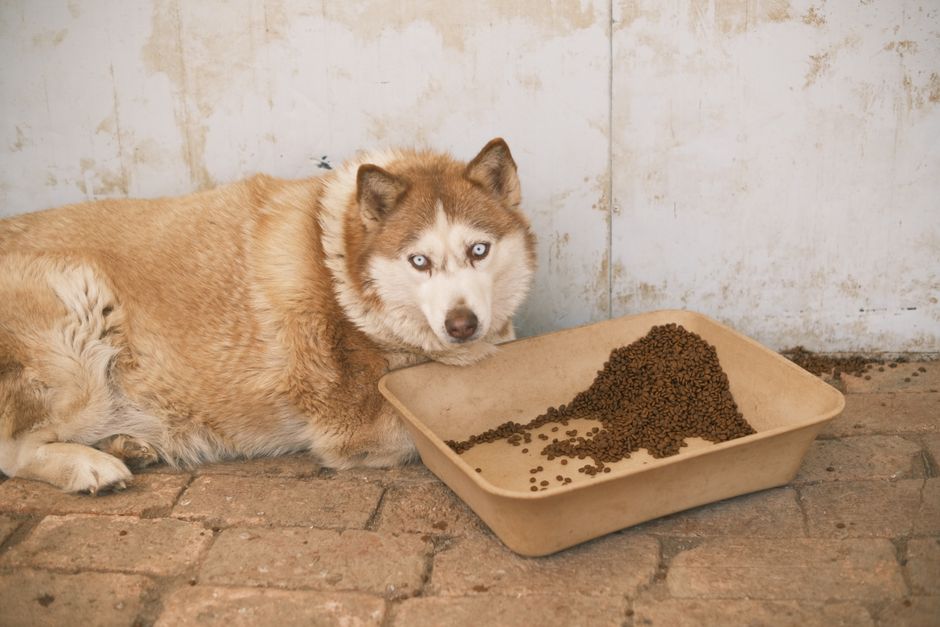
Why Choosing the Right Food Bowl Matters for Your Husky
When you bring a Siberian Husky into your home, you quickly learn that these energetic, intelligent dogs have strong personalities and specific needs. While much of the focus is on exercise and training, the humble food bowl plays a surprisingly important role in your husky's health, behavior, and overall well-being. Selecting the wrong bowl can lead to fast eating, digestive issues, whisker fatigue, and even anxiety during meal times. This comprehensive guide will walk you through everything you need to know about husky food bowl recommendations, ensuring your furry friend enjoys every meal safely and comfortably.

Understanding Your Husky's Eating Habits
Before you pick a bowl, it’s important for understand how huskies eat. Bred as sled dogs, huskies have a long history of surviving on irregular meals, which means they may instinctively gulp food when it's available. This behavior can lead to choking, vomiting, or bloat—a life-threatening condition where the stomach twists. Additionally, huskies are notorious for being picky eaters at times, and their sensitive whiskers and facial structure mean the bowl’s shape and depth can significantly affect their comfort.
Common Problems with Standard Bowls
- Fast eating: Many huskies inhale their food, leading to poor digestion and regurgitation.
- Whisker stress: Deep, narrow bowls put pressure on a dog's sensitive whiskers, making meals unpleasant.
- Bowl tipping: Active eaters often push or flip lightweight bowls, creating a mess.
- Dental issues: Plastic bowls can harbor bacteria and may cause chin acne in some dogs.
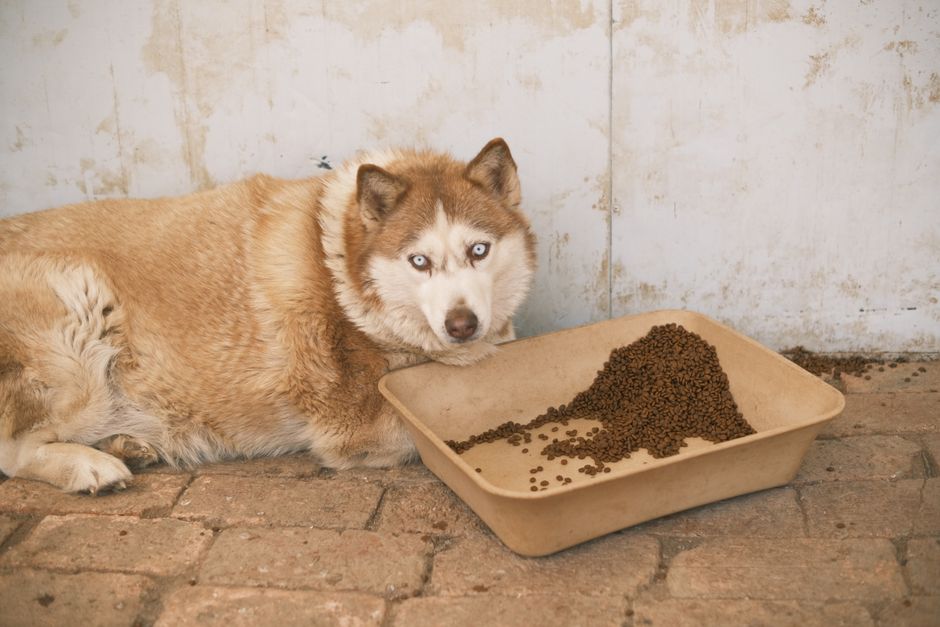
Top Huskies Food Bowl Types: Pros and Cons
There are many bowl options on the market, but not all are suited for a husky. Let's break down the most popular types and evaluate their benefits and drawbacks.
| Bowl Type | Pros | Cons |
|---|---|---|
| Stainless Steel | Durable, easy to clean, non-porous, doesn’t harbor bacteria, resistant to chewing. | Can slide on smooth floors unless fitted with a non-slip base; no slow-feeding features. |
| Ceramic | Heavy, stylish, often less tipping, glaze prevents bacteria growth. | Can chip or crack; some glazes may contain lead (choose food-safe brands); breakable if tossed. |
| Plastic | Inexpensive, lightweight, available in many designs. | Scratches easily, harbors bacteria, may cause acne, can be chewed and swallowed. |
| Slow Feeder | Designed with mazes or ridges to slow fast eaters, reduces bloat risk and improves digestion. | Some huskies may get frustrated; harder to clean thoroughly; may extend meal times too much. |
| Elevated/Stand | Promotes better posture, reduces strain on neck and joints for taller dogs, keeps bowls in place. | Some studies suggest it may increase bloat risk in large dogs, but this is debated; not necessary for all. |
| Interactive/Puzzle | Provides mental stimulation, slows eating naturally, exercises your husky's problem-solving skills. | May be too challenging for some; takes time to clean; can be addictive. |
Key Features to Look for in a Husky Food Bowl
Now that you know the main types, let's focus on the specific features that make a bowl truly 'husky-friendly'. Not every bowl labeled for medium or large dogs will be ideal.
Material Safety
Stainless steel and high-quality ceramic are the safest choices for huskies. Stainless steel is virtually indestructible and won't break or leach chemicals, while ceramic with a food-safe glaze offers heavier weight and style. Avoid plastic, especially if your husky has a history of skin allergies or chewing. Look for lead-free ceramic and specifically food-grade stainless steel (usually labeled 304 or 18/8).
Size and Depth
Huskies are medium-sized dogs with muzzles that are not overly elongated like a collie, but they still need enough space to eat without hitting the sides. A bowl with a diameter of 6 to 8 inches is usually appropriate. Keep height moderate—too deep causes whisker fatigue, too shallow makes a mess. A shallow, wide bowl is often the most comfortable for huskies, especially if they have a long snout. Some owners prefer a slight angle or slanted bowl that reduces back strain and makes access easier.
Non-Slip Base
Huskies are enthusiastic eaters, and a sliding bowl can be frustrating. Look for bowls with a rubber or silicone base, or invest in a separate non-slip mat. This prevents the bowl from scooting across the floor and reduces noise. A stable bowl also helps prevent tipping, which is common with lighter stainless steel options.
Slow-Feeding Design
If your husky tends to gulp food, a slow feeder is a big improvement. These bowls have built-in obstacles that force your dog to work around them, slowing the eating process by 5 to 10 times. This gives the stomach time to signal fullness, preventing overeating and reducing the risk of bloat. For huskies who are fast eaters, this is often the #1 recommended feature. However, some huskies can get frustrated, so introduce it gradually and check for signs of stress.
Ease of Cleaning
Siberian Huskies have double coats, and dander and hair can easily get into their food and water. Additionally, kibble leaves greasy residue. Choose bowls that are dishwasher-safe (or easy to hand wash) and have a smooth surface that doesn't trap food. Ceramic and stainless steel are best for easy hygiene, while plastic and puzzle feeders require more scrubbing.
Elevated Bowls: Are They Right for Your Husky?
Elevated or raised feeders have become trendy for large breeds. They consist of a stand that lifts the bowls to chest height. For some huskies, this can reduce physical effort and make mealtime more pleasant, especially for older dogs or those with arthritis. However, research from the FDA and some universities has suggested a possible link between elevated bowls and a higher risk of gastric dilation-volvulus (GDV or bloat) in deep-chested dogs, including huskies. The evidence is not conclusive, but many veterinarians recommend against elevated feeders for huskies, especially if the dog is a fast eater. If you choose to use one, monitor your husky closely and avoid it if you have any concerns. If your husky is fine eating from the floor, there is no need to elevate.
Indoor vs. Outdoor Feeding Stations
Huskies are often kept outdoors in cooler climates, and they may eat outside. For outdoor use, you need heavy-duty bowls that won't blow away or tip easily. Ceramic or heavy stainless steel with a wide base is best. You should also ensure the water bowl is freeze-resistant during winter or use a heated waterer. For indoor feeding, the same principles apply, but you have more freedom in style. A simple mat under the bowl catch spills and makes cleanup easier.
Best Food Bowl Recommendations for Huskies (by Category)
Based on the features above, here are some specific recommendations that meet husky needs. Remember, every dog is unique, so what works for one may not work for another.
Best Overall: Stainless Steel with Non-Slip Base
Look for a stainless steel bowl with a thick rubber ring at the bottom. Brands like Neater Pets or Chill Out offer models that are tough, dishwasher-safe, and resistant to sliding. These are ideal for huskies that eat at normal speed without health issues.
Best for Fast Eaters: Slow Feeder Bowls
The Outward Hound Fun Feeder or LickiMat slow feeder bowls are excellent. They come in various difficultly levels. For huskies, the 'Tornado' or 'Twist' patterns work well because they are wide enough for the muzzle. These bowls are made of food-safe plastic that is BPA-free, but if you prefer non-plastic, there are ceramic slow feeders available. Be sure to choose a design without overly intricate nooks where food gets stuck easily.
Best for Whisker Sensitivity: Shallow Wide Bowls
Consider ceramic bowls with a wide, shallow shape, like a saucer dog bowl. These allow your husky to eat without whiskers touching the sides, reducing stress. The heavy weight prevents tipping. Look for handcrafted options or premium brands like Le Creuset for durability, or opt for a well-reviewed ceramic bowl from a pet store.
Best for Heavy Chewers: Indestructible Stainless
If your husky tries to chew or bend bowls, go for a heavy-gauge stainless steel. Some bowls are specially made for destructive chewers, with a double-layer wall that withstands tooth and jaw pressure. The Midwest Boomer angled bowl is a popular choice because it is nearly impossible to tip and reduces mess.
Best for Puzzle Enthusiasts: Interactive Feeders
Siberian Huskies are extremely smart. Puzzle bowls or treat-dispensing balls like the Kong Wobbler turn mealtime into mental enrichment. These are great for boredom as they also slow eating. However, they are not suitable for full meals unless you have time to fill them with kibble in stages, and they can be noisy on hard floors. Use them as a supplement to a regular bowl for treats or portion of the meal.
What About Water Bowls?
While this article focuses on food bowls, don't forget that huskies need fresh water at all times. The same material and stability principles apply to water bowls. Stainless steel is best for water because it doesn't retain odors and helps keep water cool. Some huskies like to splash, so a heavier bowl or a non-spill bucket option can save your floors. In outdoor settings, consider automatic waterers or heated bowls for winter.
How to Transition Your Husky to a New Bowl
Switching to a new feeding setup can be confusing for some dogs. Here are simple steps to make the transition smooth:
- Start by placing the new bowl next to the old one for a few days so your husky gets used to it.
- Put a small treat or a piece of kibble in the new bowl to create positive association.
- Gradually mix: Serve half a meal in the old bowl and half in the new bowl. Increase the proportion from the new bowl each day.
- If using a slow feeder, start with very wet or tempting food to encourage play and interaction.
- Monitor your husky during the first few meals to ensure they are not frustrated or trying to flip the bowl. If they refuse to eat, go back a step and give it more time.
Feeding Station Setup Tips for Your Husky
Beyond just the bowl, a well-designed feeding station can enhance your dog's mealtimes. Here are some practical tips:
- Place the bowl in a quiet, low-traffic area where your husky can eat without distractions.
- Use a non-slip mat under the bowl to protect floors and reduce noise.
- Keep the bowl at a comfortable height. For most huskies, floor level is perfectly fine. If you use a stand, ensure it's not too high. The rule of thumb is that the bowl should be around chest height, but many experts discourage this due to bloat concerns.
- Wash the bowl after every meal. Do not let old food sit, as huskies are prone to eating stale food that can cause digestive upsets.
- Have separate water bowls in multiple locations to encourage hydration, especially in hot weather.
Signs That Your Husky Doesn't Like Their Bowl
Even with great recommendations, your husky might dislike a particular bowl. Look for these signs:
- Pushing the bowl around or flipping it over.
- Eating slower than usual, or walking away from the bowl frequently.
- Whining or pawing at the bowl.
- Scraping food onto the floor to eat from there.
- Refusing to eat from the bowl but eating from the floor.
If you see any of these, try a different type. You might need to test a few before finding the perfect match for your fussy husky.
Conclusion
Selecting the ideal food bowl for your Siberian Husky is not just about aesthetics; it's about health, comfort, and happiness. Prioritize safety with durable, non-toxic materials like stainless steel or ceramic. Consider your individual dog's eating speed and sensitivity. A slow feeder or a wide, shallow bowl can solve common issues. Pay attention to non-slip features to keep mealtime stress-free. with these husky food bowl recommendations, you'll ensure that mealtime is a delightful ritual for both you and your furry companion. Remember, a well-fed husky is a happy husky, and the right bowl is the first step. If you're ever unsure, consult your veterinarian for personalized advice.
Recommended Products for Your Husky
As an Amazon Associate, we earn from qualifying purchases. Learn more.
- Slow Feeder Bowl — Check price on Amazon
- Stainless Steel Bowl — Check price on Amazon
- No-Spill Bowl — Check price on Amazon
Frequently Asked Questions
How often should Huskies eat?
Adults do well on two meals a day. Puppies under six months need three to four smaller feedings to avoid blood-sugar dips.
Can Huskies eat raw food?
A balanced raw diet is possible but risky without proper formulation — bone, bacteria, and nutrient imbalance are real dangers. Consult a vet nutritionist first.
What human foods are toxic to Huskies?
Never feed chocolate, grapes, raisins, onions, garlic, xylitol, or cooked bones. These can cause kidney failure, anemia, or gut perforation.
Editor's Note
Our editors have handled more food-transition disasters than we'd like. The 7-to-10-day rule exists for a reason—husky stomachs are sensitive, and a one-day switch means three days of cleanup. We now print the schedule on the food bag.
Sources & Further Reading
HuskySpot researches each topic against recognized breed and veterinary authorities. The following organizations inform our content: