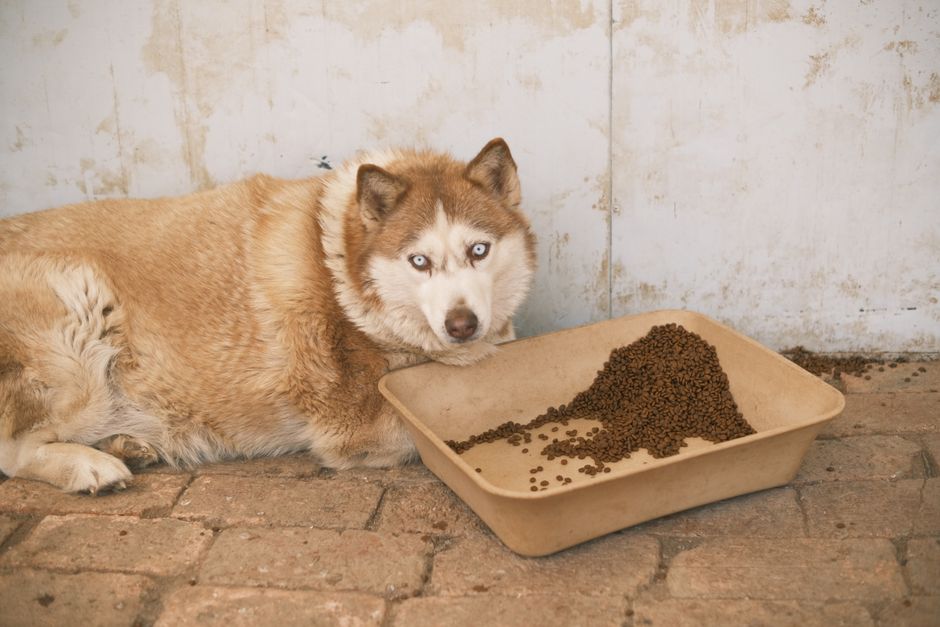
Why Post-Exercise Nutrition Matters for Your Husky
Siberian Huskies are high-energy working dogs that require careful attention to their diet, especially after vigorous exercise. Proper post-exercise feeding supports muscle recovery, replenishes energy stores, and prevents health issues like bloat or hypoglycemia. This guide covers everything you need to know about feeding your husky after physical activity.
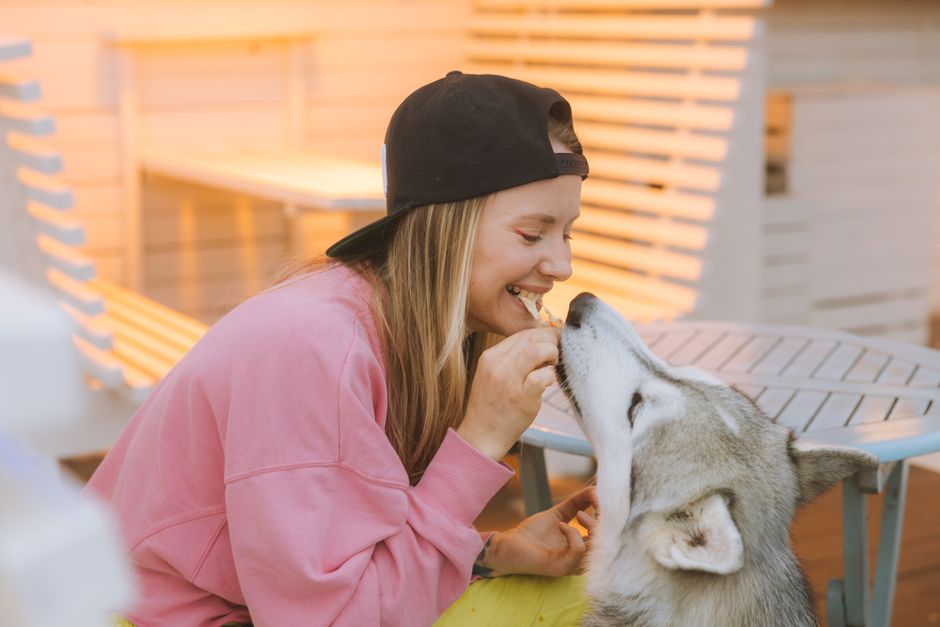
The Importance of Timing: When to Feed After Exercise
One of the most critical aspects of post-exercise feeding is timing. Feeding too soon after intense activity can increase the risk of gastric dilatation-volvulus (GDV), commonly known as bloat—a life-threatening condition especially prevalent in deep-chested breeds like Huskies. Wait at least 30 minutes to 1 hour after exercise before offering a full meal. For light walks or play sessions, a 15-minute rest is sufficient. Always allow your husky to cool down and drink water first.
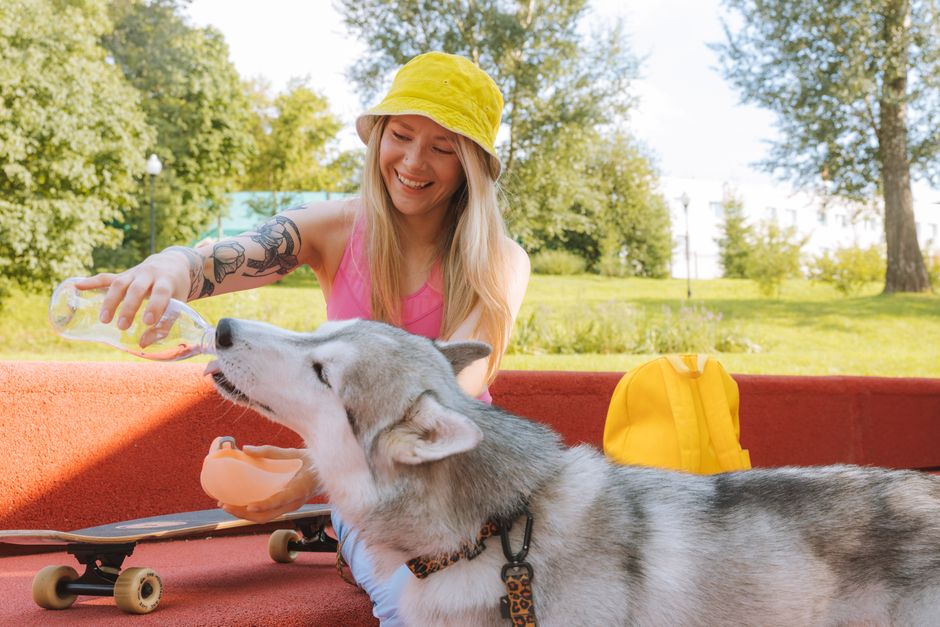
Hydration First: Water Before Food
After exercise, your husky will be thirsty and may have lost significant fluids through panting and sweating (mostly from paw pads). Offer fresh, cool water immediately, but do not let them gulp huge amounts at once—this can also lead to bloat. Provide small amounts frequently or use a slow-drinker bowl. Aim for about 1 cup of water per 10-15 minutes of moderate exercise, adjusted for temperature and intensity.
What to Feed: Ideal Post-Workout Meals
The best post-exercise meal for a husky is a balanced combination of high-quality protein, healthy fats, and easily digestible carbohydrates. Protein aids muscle repair, while carbs replenish glycogen. Fats provide sustained energy. Here are some excellent options:
- High-quality kibble: Look for brands with whole proteins (chicken, lamb, fish) as first ingredients, moderate fat (15-20%), and no fillers. Add warm water to moisten for easier digestion.
- Cooked lean meats: Boiled chicken breast or turkey without skin is easy on the stomach. Add plain white rice or sweet potato for carbs.
- Freeze-dried raw or dehydrated foods: These require little preparation and are nutrient-dense. Rehydrate with water according to package directions.
- Homemade recovery mash: A mix of cooked ground turkey, pumpkin puree, and cooked oatmeal provides a gentle yet nutritious option.
Protein and Carbohydrates: The Recovery Balance
For a 50-pound husky, an ideal post-exercise meal might contain around 25-30 grams of protein and 50-60 grams of carbs. For example, 1 cup of cooked chicken (43g protein) with 1 cup of cooked brown rice (45g carbs) is too protein-heavy; adjust to ½ cup chicken + 1 cup rice. Fats should be moderate—about 10-15 grams from sources like fish oil or flaxseed.
Treats and Supplements: What to Avoid
Avoid high-fat treats like bacon or cheese after exercise, as they can cause pancreatitis or stomach upset. Skip large bones or rawhide until your husky has fully settled. Instead, use small training treats or healthy alternatives:
- Freeze-dried liver
- Dehydrated sweet potato chews
- Frozen green beans (low-calorie and hydrating)
Supplements like omega-3 fatty acids (fish oil) can aid joint recovery, but add them to the meal rather than feeding separately. Always consult your vet before introducing new supplements.
Feeding Guidelines Based on Exercise Intensity
Not all exercise is equal. Adjust the post-exercise meal size and composition according to the intensity and duration of activity:
| Exercise Type | Duration | Post-Exercise Feeding |
|---|---|---|
| Light walk | 20-30 minutes | Normal meal after 15-min rest; no extra food. |
| Moderate run/jog | 30-60 minutes | Wait 30 min; provide 75% of normal meal with extra carbs (e.g., ¼ cup rice added). |
| Intensive hike or agility | 60-90 minutes | Wait 1 hour; offer a small recovery snack (e.g., ½ cup kibble with water) first, then full meal 1 hour later. |
| Excessive endurance (sledding) | 2+ hours | Immediate electrolyte water (unflavored Pedialyte diluted 1:1); then a high-carb, moderate-protein meal after 1 hour rest. Add omega-3s. |
Common Mistakes Owners Make
Even experienced husky owners can slip up. Avoid these pitfalls:
- Feeding immediately after exercise – Risk of bloat. Always rest.
- Offering cold water only – Ice-cold water can cause vomiting. Use cool or room-temp water.
- Overfeeding treats – Many commercial treats are high in sugar and fats. Stick to low-calorie options.
- Changing diet abruptly – After exercise, a sudden new food can cause diarrhea. Transition slowly.
- Forgetting electrolytes – In hot weather or long activities, add a splash of bone broth (low sodium) or electrolyte powder designed for dogs.
Sample Post-Exercise Feeding Schedule
Here is a sample schedule for an adult husky after a 1-hour morning run:
- Immediately after: ½ cup cool water (offered over 5 minutes).
- 15 minutes later: Additional water as needed; allow potty break.
- 30 minutes later: Offer a small recovery snack – ¼ cup of kibble or 2 tbsp of plain yogurt with blueberries.
- 1 hour after exercise: Full balanced meal – ¾ cup high-protein kibble, ¼ cup cooked sweet potato, 1 tsp fish oil.
- Throughout the day: Ensure access to fresh water; monitor energy levels and stool quality.
with these guidelines, you'll support your husky's athletic performance and overall health. Always adjust portions based on your dog's age, weight, and activity level. Consult a veterinarian or canine nutritionist for personalized advice, especially if your dog has existing health conditions.
Recommended Products for Your Husky
As an Amazon Associate, we earn from qualifying purchases. Learn more.
- Husky Care Essentials — Check price on Amazon
- Best-Selling Dog Gear — Check price on Amazon
- Newest Husky Products — Check price on Amazon
Frequently Asked Questions
Can Huskies eat raw food?
A balanced raw diet is possible but risky without proper formulation — bone, bacteria, and nutrient imbalance are real dangers. Consult a vet nutritionist first.
What human foods are toxic to Huskies?
Never feed chocolate, grapes, raisins, onions, garlic, xylitol, or cooked bones. These can cause kidney failure, anemia, or gut perforation.
Why is my Husky not eating?
A Husky skipping one meal is often fine — the breed is famously picky. Refusal beyond 24–48 hours, with lethargy, needs a vet check.
Editor's Note
We've tested grain-free diets on several huskies and stayed unconvinced. Unless there's a diagnosed allergy, we stick with a formula that has healthy whole grains. The DCM research gave us pause, and we'd rather be boring than sorry.
Sources & Further Reading
HuskySpot researches each topic against recognized breed and veterinary authorities. The following organizations inform our content: