Fasting is one of the most debated topics in canine nutrition, and for Siberian Husky owners, it can be especially confusing. Huskies are a hardy, ancient breed with a metabolism that evolved to survive feast-and-famine cycles. But does that mean you should impose a structured fasting schedule on your modern sled dog? In this comprehensive guide, we’ll explore the ins and outs of a husky fasting schedule, including benefits, risks, specific schedules, and step-by-step instructions to do it safely.
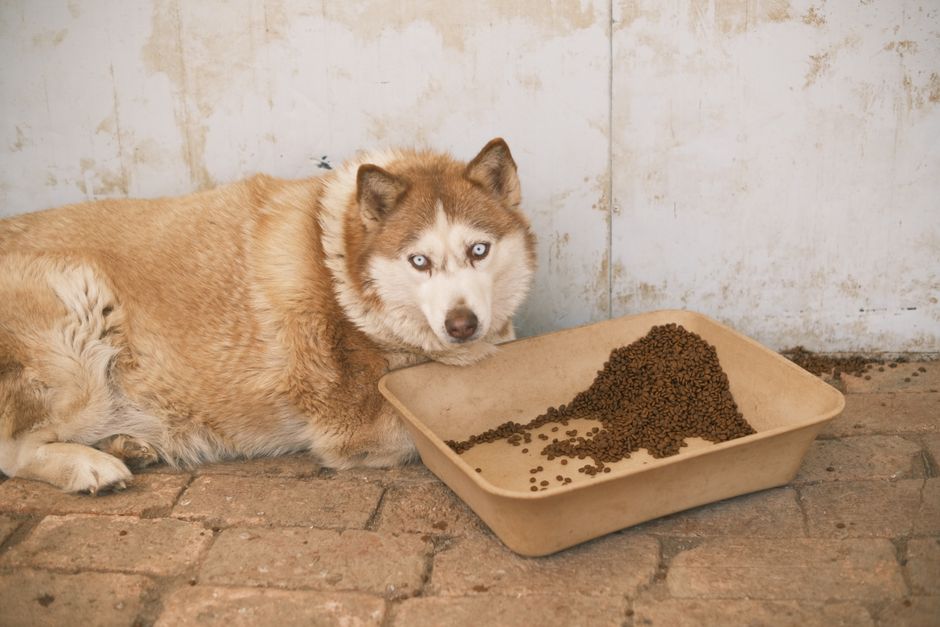
What Is a Husky Fasting Schedule?
A husky fasting schedule is a planned feeding routine that includes periods of no food intake, allowing the digestive system to rest and reset. Unlike starvation, fasting is deliberate and time-controlled. For Huskies, this often means restricting meals to a certain window of time each day (time-restricted feeding) or occasionally skipping one meal entirely. The goal is not to reduce calories drastically, but to give your dog’s body time to process food efficiently and potentially improve energy, digestion, and weight management.
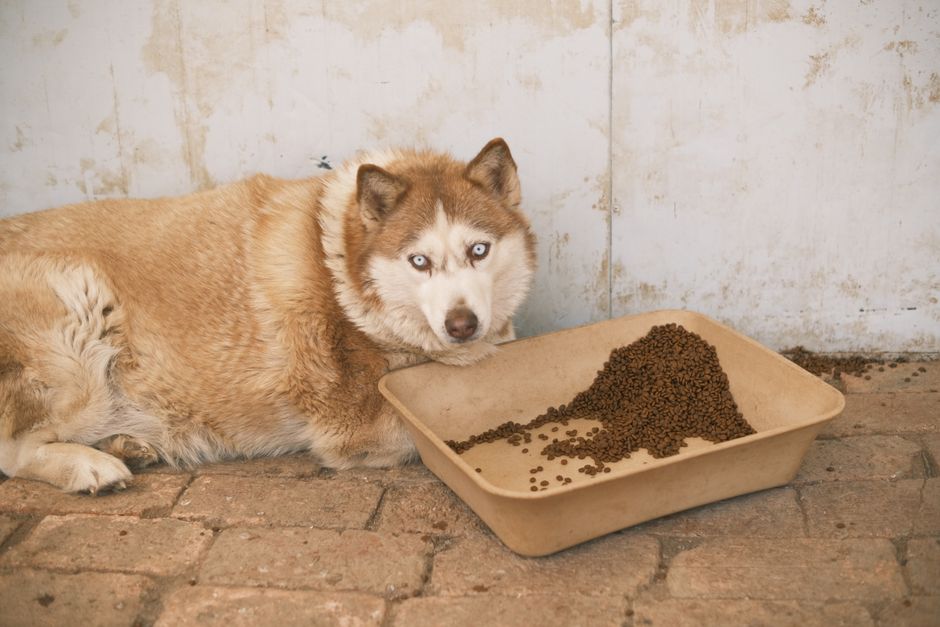
Benefits of Fasting for Siberian Huskies
When done correctly, fasting can offer several advantages for Huskies. However, it’s important to understand that research is still evolving, and anecdotal reports from owners and veterinarians guide much of the practice.
- Improved digestion: A break from digestion allows the gastrointestinal tract to clear out residual food and bacteria, often reducing gas and bloating.
- Better weight management: Fasting helps control calorie intake and can promote fat metabolism, especially in less active Huskies.
- Increased food motivation: Huskies are notoriously picky eaters. A fasting schedule can make them more eager to eat their nutritious meals.
- Mimics ancestral eating patterns: Wolves and feral dogs don’t eat three square meals a day; they gorge, then go hours or days without food. Huskies still share much of that genetic wiring.
- May support cellular health: Fasting triggers autophagy in mammals, a process where cells clean out damaged components, potentially reducing inflammation.
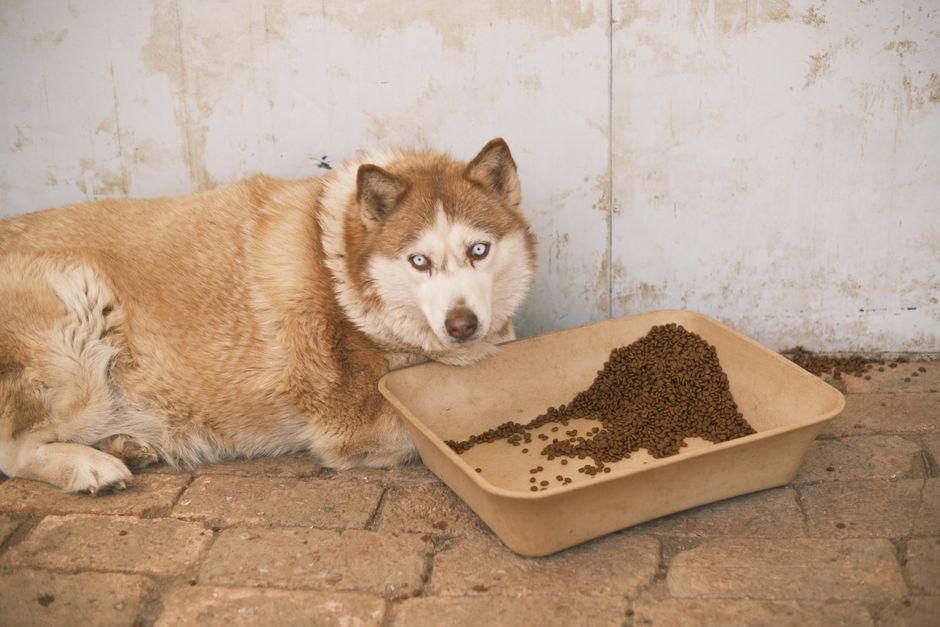
Potential Risks and Precautions
Fasting is not for every Husky. Before starting any feeding schedule, consult your veterinarian, especially if your dog has underlying health conditions. Here are key risks to keep in mind:
- Hypoglycemia: Small, toy, or underweight Huskies (or those with diabetes) may experience dangerous drops in blood sugar.
- Bilious Vomiting Syndrome: Some dogs vomit bile if they have an empty stomach for too long. If your Husky is prone to this, fasting might worsen it.
- Behavioral issues: Very food-aggressive or anxious dogs may become more possessive or stressed with a fasting schedule.
- Puppies, pregnant, and lactating dogs must NOT fast: They have high nutritional and energy demands that require consistent intake.
Types of Fasting Schedules for Huskies
12-Hour Daily Fast (Time-Restricted Feeding)
The simplest method is a 12-hour overnight fast. For example, feed breakfast at 7 a.m. and the evening meal at 7 p.m., then no food until breakfast the next day. This gives the stomach 12 hours to empty between the last meal and the next morning’s meal. Most dogs naturally have a 8–12-hour gap between dinner and the first meal of the next day, so this is barely noticeable.
16:8 Intermittent Fasting
This is a more advanced form where all meals are packed into an 8-hour window (e.g., two meals between 10 a.m. and 6 p.m.), leaving a 16-hour fasting period overnight. Some owners use this to help overweight Huskies lose fat, but it requires careful monitoring and a high-quality diet.
24-Hour Fast (Once a Week)
This is a single day of no food each week, then a normal feeding schedule the next day. Some owners give their Husky a 24-hour fast once a month rather than weekly to reduce stress. This approach mimics a light evolutionary reset, but it’s essential that your dog is healthy, well-hydrated, and at a normal body condition score.
The 5:2 Approach
In this schedule, your dog eats normally for 5 days and has a very light day (roughly 25% of the usual calories) on 2 non-consecutive days. This is technically not a full fast, but it’s a regular calorie-restriction pattern. It’s less extreme than a 24-hour fast and might be easier for beginner fasting proponents.
How to Start a Fasting Schedule Safely
Follow these steps to introduce a husky fasting schedule without unnecessary risk:
- Visit your vet: Get clearance from a veterinarian who knows your dog’s health history. Ask about ideal body condition and any red flags.
- Start slow: Begin with a 12-hour daily fast. If your dog handles it well, you can gradually extend the overnight gap to 13 or 14 hours.
- Stick to a consistent routine: Feed at the same times each day, using a timer if needed. Huskies thrive on routine.
- Monitor weight and energy: Weigh your Husky weekly and track energy levels, stool quality, and behavior.
- Stay hydrated: Always provide fresh water. Fasting is about food, not water.
- Adjust slowly: If you want to do a 24-hour fast, try extending the 16-hour window slowly over several weeks, then skip one meal (e.g., dinner on a Friday, then first meal Saturday evening).
Sample Fasting Schedule for Adult Huskies
Here is a practical example of a 12-hour daily fast combined with two meals. This is a safe starting point for most adult, healthy Huskies.
| Time | Action |
|---|---|
| 7:00 a.m. | Morning meal (half of daily portion) |
| 7:00 p.m. | Evening meal (remaining half) |
| 7:00 p.m. – 7:00 a.m. | Fasting period (12 hours) |
For a 16:8 schedule, you might shift meals to 10 a.m. and 6 p.m., leaving 16 hours fasting. Ensure the total daily calories stay the same as what your vet recommends for your Husky’s age and activity level.
Fasting for Husky Puppies – Important Considerations
Puppies should never be put on a fasting schedule. Their blood sugar regulation is immature, and they need frequent small meals (typically three to four meals a day) until they are 6 months old. Even after 6 months, most Huskies still need two meals daily without extended fasting. Only consider fasting once your dog has reached adulthood (at least 1 year old for Siberians) and is in good health.
Signs Your Husky Isn’t Handling Fasting Well
Watch for these warning signs, and stop the schedule immediately if you observe any:
- Excessive drooling, whining, or repeated lip licking
- Lethargy or unusual weakness
- Vomiting bile (yellowish foam) on an empty stomach
- Diarrhea or constipation
- Drastic weight loss (more than 2% body weight in a week)
- Increased food aggression or guarding
- Changes in coat quality, such as dullness or excessive shedding
If any of these occur, revert to a standard feeding schedule and consult your vet.
Frequently Asked Questions about Husky Fasting
Can a Husky go a day without food?
Healthy adult Huskies can occasionally skip a meal or fast for 24 hours, but it shouldn’t be a weekly habit without veterinary supervision. They are resilient, but not indestructible.
Will fasting make my Husky aggressive?
Fasting can increase food drive. If your dog already has resource guarding tendencies, fasting might make it worse. Always use positive reinforcement and hand feeding if needed.
How long should I fast my Husky for weight loss?
For weight loss, a 12-hour daily fast combined with portion control is safer than extreme fasting. Consult a vet to calculate the right calorie deficit.
Should I give my Husky vitamins during a fast?
Yes, you can give supplements with water, but avoid fatty treats during the fasting window. Better yet, offer supplements with the first meal after the fast.
What if my Husky has a sensitive stomach?
Then fasting may be a bad idea. Use small, frequent meals instead and discuss alternatives with your vet.
Recommended Products for Your Husky
As an Amazon Associate, we earn from qualifying purchases. Learn more.
- Husky Care Essentials — Check price on Amazon
- Best-Selling Dog Gear — Check price on Amazon
- Newest Husky Products — Check price on Amazon
Final Thoughts
A husky fasting schedule can be a powerful tool for improving your dog’s digestion, weight, and overall vitality – if done sensibly and with veterinary approval. Start with a simple 12-hour daily fast, watch your Husky’s cues, and never push too hard. every dog is unique; what works for one Siberian Husky may not be suitable for another. Always put your dog’s health first, and let hunger-schedule experiments take second place. When in doubt, feed on a consistent schedule, provide fresh water, and bask in the joy of having a happy, healthy Husky.