Feeding your Siberian Husky at night is more than just a routine—it can impact their digestion, sleep quality, and overall health. Many owners ask whether it's safe to give a meal right before bedtime, and the answer isn't a simple yes or no. This in-depth guide covers everything you need to know about husky feeding before bedtime, including timing, portion size, breed-specific risks, and practical tips to keep your furry friend happy and healthy.

The Importance of a Consistent Feeding Schedule
Siberian Huskies thrive on routine. Their bodies are designed to work in cycles, and a consistent feeding schedule helps regulate digestion, energy levels, and bathroom habits. When you feed your husky at the same times each day, their digestive system becomes more efficient, and they're less likely to experience stomach upset or irregular bowel movements.
A consistent schedule also makes potty training easier. If you know exactly when your husky eats, you can predict when they'll need to go outside. This is especially important before bedtime—you don't want your dog waking you up at 2 a.m. because they need to pee.
The Digestive System of a Husky
Huskies have a short digestive tract compared to many other breeds. Food passes through their system relatively quickly, typically in 4 to 6 hours. This means that if you feed your husky at 10 p.m., they will likely need to eliminate around 2 to 4 a.m. Feeding too close to bedtime can disrupt sleep for both you and your dog.
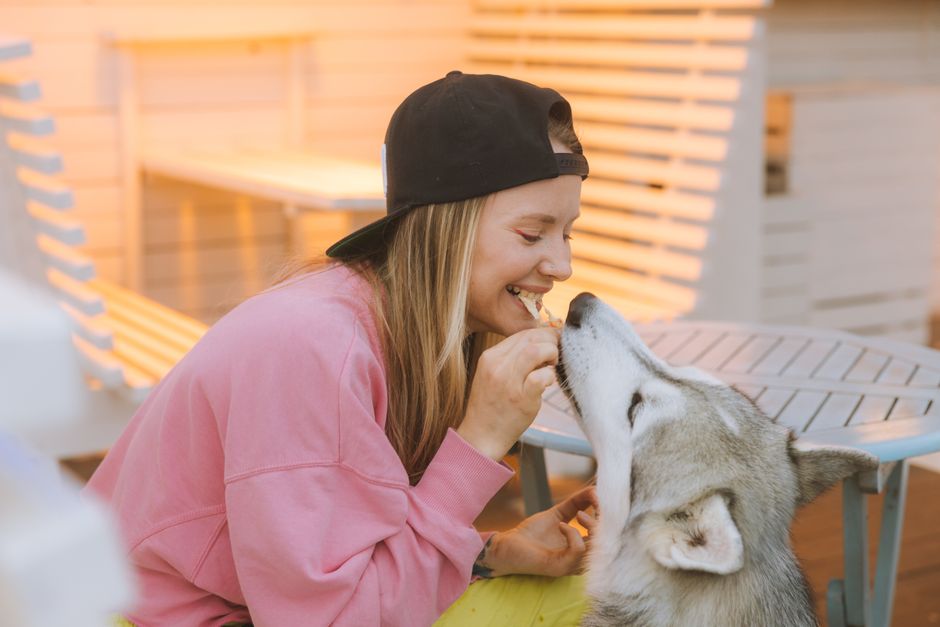
Should You Feed Your Husky Before Bedtime?
The short answer is: it depends. A small, light snack before bed can be fine for some huskies, but a full meal is generally not recommended. Here's why:
- Digestive rest: Dogs, like humans, benefit from a period of fasting overnight. Feeding too late forces the stomach to work while the body should be resting.
- Risk of bloat: Bloat (gastric dilatation-volvulus, or GDV) is a life-threatening condition where the stomach twists. While it's more common in large, deep-chested breeds, huskies can also be affected. Feeding right before vigorous activity or sleep can increase the risk.
- Sleep disruption: A full stomach can cause discomfort and lead to a restless night. Your husky may also need a middle-of-the-night bathroom break.
That said, if your husky needs to gain weight or has a medical condition that requires frequent small meals, a bedtime snack may be necessary. Always consult your veterinarian for personalized advice.

How Long Should You Wait Between Dinner and Bedtime?
As a general rule, allow at least 3 to 4 hours between your husky's last meal and bedtime. This gives the stomach enough time to begin emptying and reduces the chances of overnight bathroom accidents.
For example, if you go to bed at 10 p.m., the final meal should be eaten no later than 6 or 7 p.m. This schedule works well for most adult huskies. Puppies, however, have smaller bladders and faster metabolisms, so they may need a separate, earlier bedtime routine.
| Age | Meals per Day | Last Meal Before Bed | Bathroom Break Needed |
|---|---|---|---|
| Puppy (8-12 weeks) | 3-4 small meals | 5:00-6:00 p.m. | Yes, 2-3 hours after last meal |
| Adolescent (3-6 months) | 2-3 meals | 5:00-7:00 p.m. | Yes, 3 hours after last meal |
| Adult (6 months+) | 2 meals | 4:00-6:00 p.m. | Usually not if fed early enough |
| Senior (7+) | 2 meals or small frequent meals | 5:00-7:00 p.m. | May need an extra break |
Choosing the Right Food for a Nighttime Meal
If you must feed your husky closer to bedtime, choose foods that are easy to digest and low in fat. High-fat foods take longer to stomach and can increase the risk of bloat. Here are some good options for a bedtime snack:
- A small portion of plain pumpkin (not pie filling) – rich in fiber and gentle on the stomach.
- A few pieces of plain, cooked chicken breast (no skin or seasoning) – lean protein.
- A spoonful of plain, unsweetened yogurt – probiotics aid digestion.
- One or two dog-safe treats like green beans or carrots.
Avoid giving your husky large amounts of water immediately before bed, as this will lead to frequent urination. Also avoid any foods containing caffeine, chocolate, grapes, onions, or artificial sweeteners.
Risks of Feeding Your Husky Too Late
Feeding your husky a large meal right before bed isn't just inconvenient—it can be dangerous. Here are the main risks:
Bloat (Gastric Torsion)
Bloat is a medical emergency. When a dog eats too quickly and then lies down, gas and food can cause the stomach to expand and twist. Symptoms include a swollen abdomen, restlessness, excessive drooling, and retching without producing anything. If you suspect bloat, get to a vet immediately.
Obesity
Late-night meals often add extra calories that your husky doesn't burn off during sleep. Over time, this can lead to weight gain and joint problems. Huskies are naturally athletic dogs, and maintaining a healthy weight is crucial for their longevity.
Disrupted Sleep
Both you and your dog need quality sleep. A husky with a full stomach may be uncomfortable, pant, pace, or whine for attention. They may also need to go outside multiple times during the night, which disrupts the entire household.
Tips for Feeding Your Husky Before Bed
If your husky absolutely needs a snack before bed, follow these guidelines to minimize risks:
- Keep it small – no more than 10% of their daily calorie intake.
- Offer the snack at least 1-2 hours before bed, not right at sleep time.
- Take your husky for a short, calm walk 30 minutes after the snack to help with digestion.
- Keep a consistent bedtime and wake-up time, including weekends.
- Use a slow-feeder bowl if your husky tends to gulp food.
- Provide fresh water, but limit how much they drink right before bed.
Sample Bedtime Feeding Schedule for Huskies
Here's a simple routine that works well for most adult huskies:
- 7:00 a.m.: Morning meal (50% of daily food)
- 5:00 p.m.: Evening meal (50% of daily food)
- 6:30 p.m.: Light walk or play session
- 8:00 p.m.: Potty break
- 9:00 p.m.: Optional small snack (only if needed)
- 10:00 p.m.: Final potty break
- 10:30 p.m.: Bedtime
Adjust the times based on your work schedule and your husky's individual needs. The key is to maintain consistency.
Frequently Asked Questions About Husky Feeding and Bedtime
Q: Can I feed my husky right before I go to bed?
A: It's best to avoid feeding a full meal within 3 hours of bedtime. If your husky seems hungry, give a light snack like a few carrot sticks or a small spoonful of pumpkin.
Q: What if my husky refuses to eat dinner early?
A: Some huskies are picky eaters. Try to establish a regular feeding time and pick up the food after 15 minutes if they don't eat. They'll learn to eat when it's offered. Never force-feed.
Q: Should I give my husky food in their crate at night?
A: No. Feeding in a crate can lead to mess and creates a habit of associating the crate with food. Use a designated feeding area.
Q: How many times a day should a husky eat?
A: Adult huskies do well on two meals a day. Puppies need more frequent smaller meals—typically three or four times daily.
Q: Can feeding before bed prevent morning hunger?
A: A small snack can help an anxious eater, but it's not a substitute for a balanced diet. If your husky wakes up extremely hungry, you may need to adjust the portion sizes of their regular meals.
Recommended Products for Your Husky
As an Amazon Associate, we earn from qualifying purchases. Learn more.
- Orthopedic Dog Bed — Check price on Amazon
- Cooling Dog Bed — Check price on Amazon
- Calming Bed — Check price on Amazon
Final Thoughts
Feeding your husky before bedtime should be approached with careful attention to timing and portion size. By following a consistent schedule, choosing easy-to-digest foods, and respecting your dog's natural bedtime routine, you can ensure a peaceful night for both of you. Always consult with your veterinarian about your husky's specific dietary needs, especially if you notice any digestive issues or changes in sleep behavior.
Remember: a well-fed husky is a happy husky, but a well-timed meal makes all the difference. Start implementing these tips today, and you'll both rest easier tomorrow night.