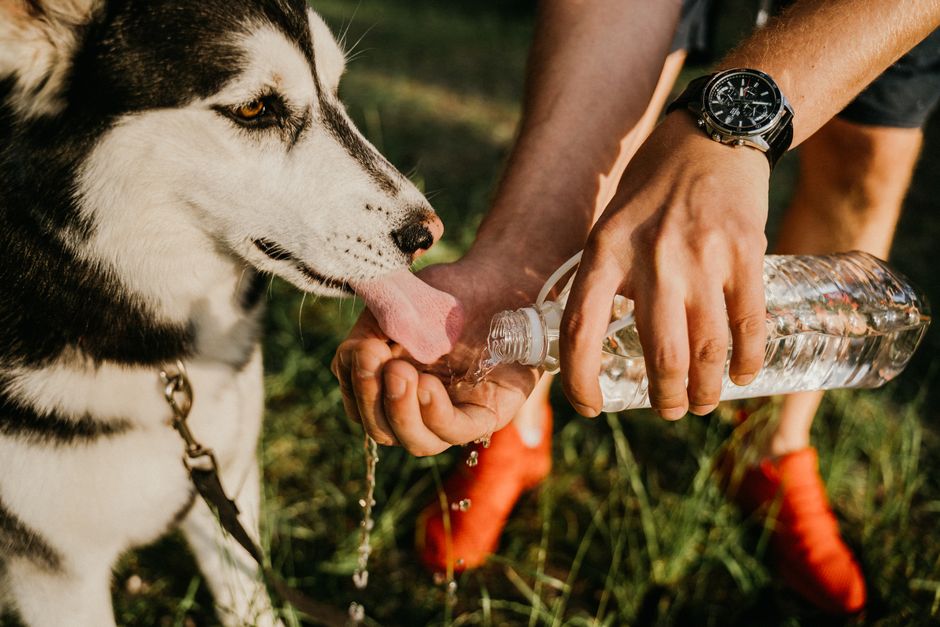
Why Hydration Matters for Your Siberian Husky
Proper hydration is vital for every dog, but Siberian Huskies have unique needs due to their high energy levels, thick double coat, and origins in cold climates. Water regulates body temperature, aids digestion, lubricates joints, and flushes toxins. Even mild dehydration can lead to lethargy, kidney issues, and heatstroke. This guide provides comprehensive tips to keep your husky optimally hydrated year-round.
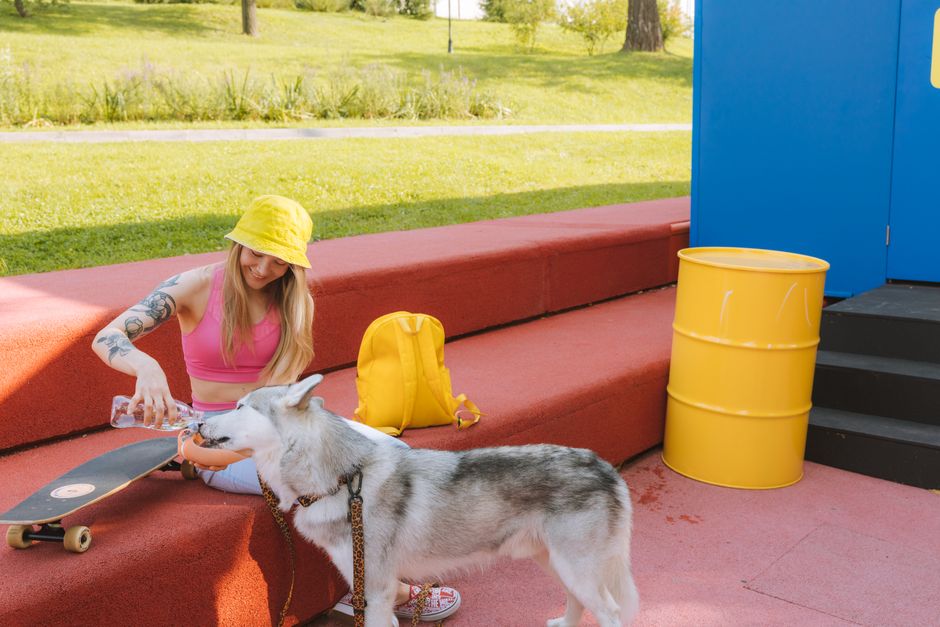
How Much Water Does a Husky Need Daily?
A general rule is 1 ounce of water per pound of body weight per day. For an adult husky weighing 35–60 pounds, that’s 35–60 ounces (about 4–7.5 cups). Active or working dogs require more. Puppies and lactating females also need increased intake. Use the table below to estimate baseline needs.
| Weight (lbs) | Baseline Water (oz/day) | Active/Working (oz/day) |
|---|---|---|
| 35 | 35 | 45–50 |
| 45 | 45 | 55–60 |
| 55 | 55 | 65–70 |
| 60 | 60 | 70–80 |
These are starting points; adjust based on temperature, activity, and individual thirst. Always provide fresh, clean water.

Signs of Dehydration in Huskies
Watch for these symptoms:
- Dry nose and gums
- Loss of skin elasticity (gently pinch skin on back; if it doesn’t snap back, dehydration is likely)
- Sunken eyes
- Lethargy or weakness
- Excessive panting or dark urine
- Loss of appetite
If you suspect moderate to severe dehydration, seek veterinary care immediately.
Best Water Sources and Bowls
Water Type
Tap water with a filter is fine, but avoid distilled water long-term as it lacks minerals. Some huskies prefer cold water; add an ice cube on hot days. Bottled spring water is a good alternative if tap water has strong chlorine or minerals.
Bowl Materials
Stainless steel or ceramic bowls are best. Plastic can harbor bacteria and cause chin acne. Wide, stable bowls prevent tipping. Some huskies prefer a fountain – moving water encourages drinking and is cleaner than stagnant bowls.
Tips to Encourage Your Husky to Drink More
- Keep water fresh: Change at least twice daily.
- Multiple stations: Place bowls in several rooms near food and resting areas.
- Flavor the water: Add a splash of low-sodium chicken broth (no onions/garlic) or bone broth.
- Use ice cubes: Many huskies love ice cubes as a treat. Some even play with them before licking.
- Clean bowls daily: Wash with mild soap and rinse thoroughly to remove residue.
- Monitor when hiking: Offer water every 15–20 minutes during activity.
Hydration for Active and Working Huskies
Sled dogs, agility participants, and regular runners lose water through panting and sweat (pads). Before exercise, offer water; during breaks, provide small amounts frequently (not gulping). After intense exercise, allow rest before offering a full bowl to avoid bloat. Consider using a portable water bottle with a bowl attachment for on-the-go hydration. Electrolyte supplements (e.g., canine-specific powders) can be added to water after heavy exertion, but consult your vet first.
Hydration in Hot and Cold Weather
Summer Heat
Huskies are prone to heatstroke despite their heritage. Always have shade and water available. Never leave them in a hot car. Offer frozen treats (e.g., ice cubes with blueberries or chicken broth). Limit vigorous activity to early morning or evening.
Winter Cold
In freezing temperatures, water bowls can ice over. Use heated bowls or check frequently. Snow is not a substitute for water – it may cause mouth injuries or be contaminated. Keep water inside the house accessible. Dry indoor air from heaters can increase water needs, so monitor intake.
Foods That Support Hydration
Wet dog food has 70–80% moisture vs. 10% in dry kibble. Mixing wet food with kibble adds water. Safe fruits and veggies with high water content include:
- Cucumber (slices)
- Watermelon (seedless, no rind)
- Strawberries
- Celery (chopped)
- Blueberries (frozen)
These make great low-calorie treats that boost fluid intake.
When to Consult a Veterinarian
Excessive thirst (polydipsia) or insufficient thirst can indicate underlying health issues like kidney disease, diabetes, Cushing's disease, or urinary tract infections. If your husky drinks much more or less than usual, has vomiting/diarrhea, or shows signs of dehydration despite water availability, schedule a vet visit. Also, if your husky refuses water for more than 24 hours, seek immediate care.
Conclusion
Hydration is a cornerstone of your husky’s health. By understanding their needs, recognizing signs of imbalance, and implementing these practical tips, you can ensure your furry friend stays happy, hydrated, and energetic. Adjust routines seasonally and always prioritize fresh, clean water. A well-hydrated husky is a thriving husky!
Recommended Products for Your Husky
As an Amazon Associate, we earn from qualifying purchases. Learn more.
- Husky Care Essentials — Check price on Amazon
- Best-Selling Dog Gear — Check price on Amazon
- Newest Husky Products — Check price on Amazon
Frequently Asked Questions
How do I switch dog foods safely?
Mix the new food in over 7–10 days, increasing the ratio gradually. A sudden switch causes vomiting or diarrhea.
How much should I feed my Husky?
Most adults eat 1.5–2 cups of quality kibble split into two meals. Adjust for age, weight, and activity — working dogs need more, couch potatoes less.
What is the best food for a Husky?
Look for a meat-first formula with 25–30% protein and healthy fats. Many owners use salmon- or lamb-based foods for coat and skin health.
Editor's Note
One habit we push hard: a frozen Kong at dinner time. It buys two quiet hours and slows eating. We've recommended it to hundreds of owners and the only complaints are from dogs who finish too fast—which means we sized the treat down.
Sources & Further Reading
HuskySpot researches each topic against recognized breed and veterinary authorities. The following organizations inform our content: