Feeding a Siberian Husky puppy requires careful attention to their unique nutritional needs. As a high-energy breed with a sensitive digestive system, husky puppies thrive on a balanced diet that supports rapid growth without causing obesity or joint issues. This comprehensive guide covers everything you need to know about husky puppy nutrition, from choosing the right food to establishing a feeding schedule.

Understanding Nutritional Requirements
Husky puppies need a diet rich in protein (at least 22-28% dry matter) and fat (12-18%) for energy and development. Carbohydrates should come from digestible sources like sweet potatoes or oats. Essential fatty acids (omega-3 and omega-6) support skin, coat, and brain health. Vitamins and minerals, especially calcium and phosphorus in a 1.2:1 ratio, are critical for bone growth.
Protein Sources
Look for real meat like chicken, lamb, fish, or beef as the first ingredient. Avoid by-products or unnamed meat meals. Protein supports muscle development and immune function.
Fat Content
Healthy fats from chicken fat, fish oil, or flaxseed provide energy. Too much fat can cause pancreatitis, so stick to moderate levels.
Carbohydrates and Fiber
Huskies have moderate carbohydrate tolerance. Complex carbs like brown rice, barley, or vegetables provide sustained energy and fiber for digestion.
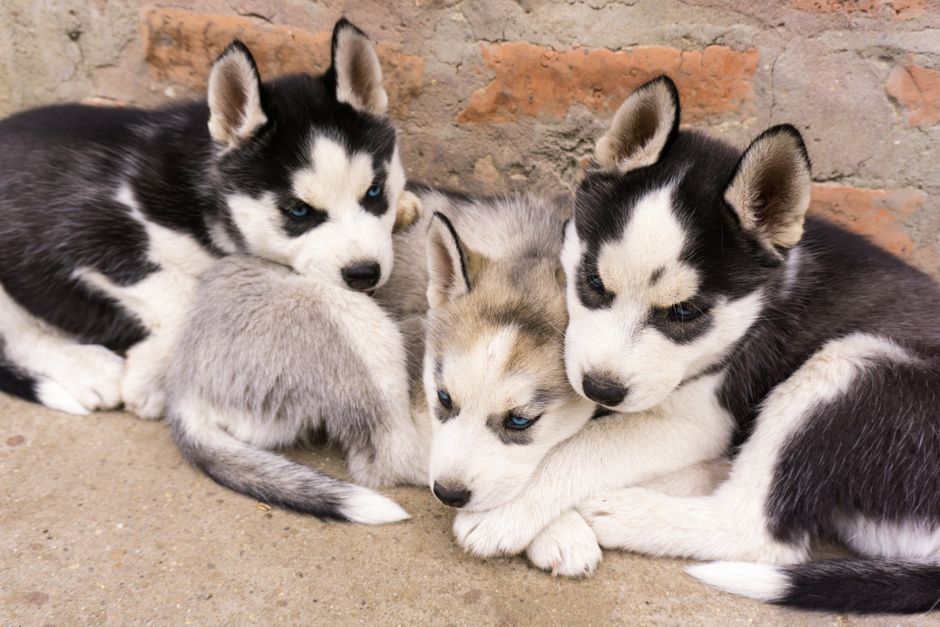
Choosing the Right Puppy Food
Select a high-quality commercial puppy food formulated for large breeds (even though huskies are medium-sized, they are prone to hip dysplasia). Look for AAFCO approval. Options include dry kibble, wet food, raw diets, or homemade. Each has pros and cons.
| Type | Pros | Cons |
|---|---|---|
| Dry Kibble | Convenient, cost-effective, dental benefits | Often high in carbs, less moisture |
| Wet Food | Higher moisture, palatable | Expensive, can cause loose stools |
| Raw Diet | Mimics natural diet, shinier coat | Risk of bacteria, requires careful balancing |
| Homemade | Total control of ingredients | Time-consuming, risk of nutritional imbalances |
Key Ingredients to Avoid
- Artificial preservatives (BHA, BHT, ethoxyquin)
- Corn, wheat, soy as main fillers
- High sugar or salt content
- Unspecified meat meals or by-products
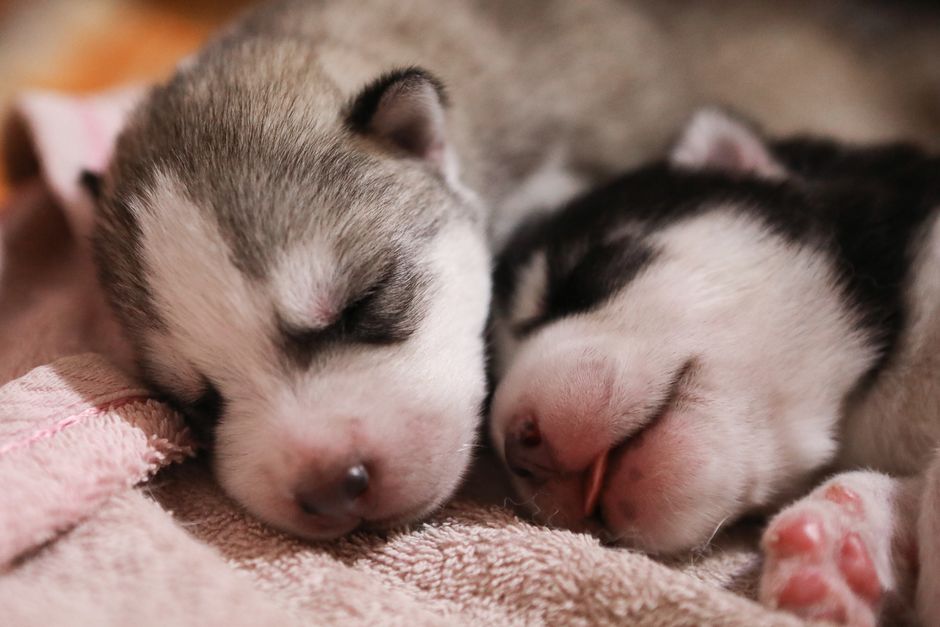
Feeding Schedule and Portion Sizes
Puppies grow rapidly, so feed them multiple times a day. Adjust portions based on age, weight, and activity level. Use this general guide (assuming a medium-size husky puppy):
| Age | Meals per Day | Amount per Meal (cups of dry food) |
|---|---|---|
| 8-12 weeks | 4 | 0.25 - 0.5 |
| 3-6 months | 3 | 0.5 - 1 |
| 6-12 months | 2 | 1 - 1.5 |
Start with the lower end and adjust if your puppy is too thin or gaining weight too fast. Always provide fresh water.
Common Feeding Mistakes
- Overfeeding: Huskies have a slow metabolism; excess weight strains joints. Stick to measured portions.
- Free-feeding: Leaving food out leads to overeating. Follow scheduled meals.
- Too many treats: Treats should not exceed 10% of daily calories. Use healthy options like small pieces of carrot or apple.
- Sudden food changes: Transition over 7-10 days by mixing old and new food.
- Ignoring allergies: Some huskies are sensitive to chicken or grains. Symptoms include itchy skin or ear infections.
Supplements for Optimal Health
Most complete diets don't need supplements, but some can help:
- Fish oil: Omega-3 for skin, coat, and joint health. Dosage: 200-500 mg per 10 lbs of body weight daily.
- Probiotics: Support digestion, especially after antibiotics. Look for strains like Lactobacillus acidophilus.
- Glucosamine and chondroitin: if your breed is prone to hip issues, start around 12 months (consult vet).
Always consult a veterinarian before adding supplements.
Transitioning to Adult Food
Around 12-18 months, switch to adult food. Gradual transition over 10 days: Day 1-2: 75% puppy, 25% adult; Day 3-4: 50/50; Day 5-7: 25% puppy, 75% adult; Day 8+: 100% adult. Monitor stool and energy levels.
Hydration and Water Intake
Puppies need constant access to fresh water. Dehydration is dangerous. On hot days or after exercise, ensure they drink enough. Wet food adds moisture; dry food requires more water intake.
Conclusion
Proper nutrition sets the foundation for a healthy, active husky. Invest in high-quality food, stick to a schedule, and avoid common pitfalls. Every puppy is unique, so consult your veterinarian to tailor the diet. With the right nutrition, your husky puppy will grow into a strong, vibrant adult.
Recommended Products for Your Husky
As an Amazon Associate, we earn from qualifying purchases. Learn more.
- Puppy Starter Kit — Check price on Amazon
- Puppy Crate — Check price on Amazon
- Puppy Toys — Check price on Amazon
Frequently Asked Questions
How much should I feed my Husky?
Most adults eat 1.5–2 cups of quality kibble split into two meals. Adjust for age, weight, and activity — working dogs need more, couch potatoes less.
What is the best food for a Husky?
Look for a meat-first formula with 25–30% protein and healthy fats. Many owners use salmon- or lamb-based foods for coat and skin health.
How often should Huskies eat?
Adults do well on two meals a day. Puppies under six months need three to four smaller feedings to avoid blood-sugar dips.
Editor's Note
We've watched countless husky owners treat feeding like a guessing game, and the pattern is always the same: free-feeding leads to a dog who begs constantly and crashes midday. Two measured meals at fixed times fixed the erratic energy we kept hearing about.
Sources & Further Reading
HuskySpot researches each topic against recognized breed and veterinary authorities. The following organizations inform our content: