Understanding the Husky Mindset
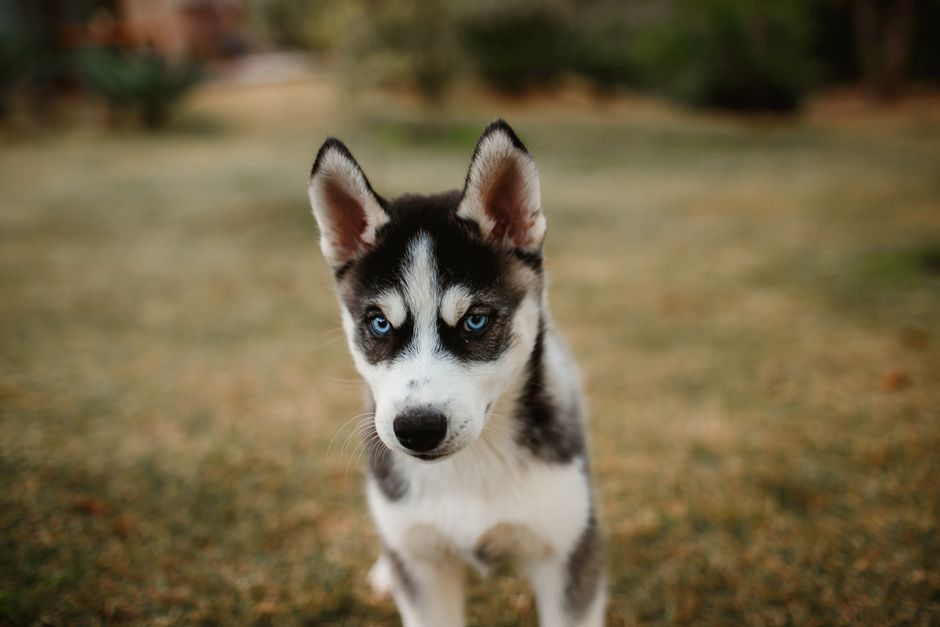
Before diving into a training routine, it's crucial to understand what makes a Siberian Husky tick. Bred to pull sleds across vast frozen landscapes, Huskies are intelligent, independent, and incredibly energetic. They were never meant to be passive lap dogs—they thrive when given a job. This independence can translate into stubbornness, but it also means they are problem-solvers who respond best to positive, consistent methods. Patience and understanding are your best tools; force or harsh punishment will quickly damage trust and lead to resistance.
Essential Commands Every Husky Should Know
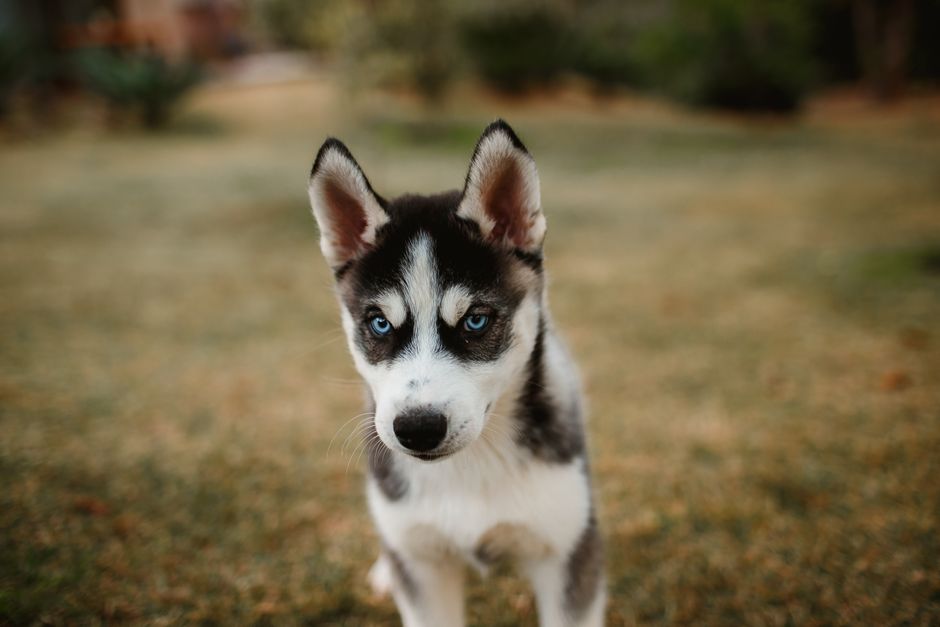
Start with foundational commands that build communication and safety. Use high-value treats (like small pieces of cheese or freeze-dried liver) and keep sessions short—5 to 10 minutes. Key commands include:
- Sit: Hold a treat above their nose and move it back over their head; as they sit, mark with a clicker or word like “Yes” and reward.
- Stay: After sit, open palm and say “Stay,” take one step back, then return and reward. Gradually increase distance.
- Come: Start in a low-distraction area, say “Come” in an excited tone, reward when they reach you. Never call them for unpleasant things (like bath time).
- Heel: For loose-leash walking, teach “Heel” by rewarding when they walk beside you with a slack leash.
- Leave it: Place a treat in your hand, close fist, say “Leave it,” wait for them to lose interest, then reward from other hand.
- Drop it: Trade an item for a high-value treat, saying “Drop it” as they release.

Building a Daily Training Schedule
Consistency is key. Plan two to three short training sessions per day, each lasting 10–15 minutes. A sample routine:
| Time | Activity |
|---|---|
| Morning (after bathroom) | 5-minute warm-up play, then 10-minute sit/stay/come practice |
| Midday | Brisk walk or jog (20–30 minutes) followed by 5 minutes of heel training |
| Evening | Mental stimulation: puzzle toy or trick training (e.g., spin, shake) for 10 minutes |
Always exercise your Husky before training to burn off excess energy. A tired Husky is more focused and willing to learn.
Leash Training and Loose Leash Walking
Huskies are natural pullers. A no-pull front-clip harness can help, but training is essential. Use the “stop-and-go” method: the moment your Husky pulls, stop in your tracks. Wait until they look at you or the leash slackens, then reward and continue. Change direction frequently to keep them engaged. Practicing in a quiet yard before progressing to busier streets builds a solid foundation.
Crate Training for Safety and Comfort
Crate training provides a den-like sanctuary and prevents destructive behavior when unsupervised. Introduce the crate positively: feed meals inside, toss treats, and leave the door open. Gradually close the door for short periods while you’re home, then extend alone time. Never use the crate as punishment. A properly crate-trained Husky will see it as a safe haven.
Socialization: Dogs, People, and Environments
Early and ongoing socialization prevents fearfulness and aggression. Enroll in puppy classes, arrange controlled playdates with well-mannered dogs, and expose your Husky to different surfaces (grass, gravel, tile), sounds (vacuum, traffic), and people (children, men with hats). Keep experiences positive with treats and praise. A well-socialized Husky is confident and less likely to develop problem behaviors.
Preventing and Correcting Unwanted Behaviors
Common issues include digging, howling, jumping, and chewing. Prevention is easier than correction:
- Digging: Provide a designated digging pit (sandbox with buried toys) or increase exercise/mental stimulation.
- Howling: Boredom often triggers howling. Ensure plenty of physical and mental activity; use puzzle toys.
- Jumping: Turn your back and ignore until all four paws are on the floor, then reward. Teach an alternative behavior like “Sit to greet.”
- Chewing: Offer approved chew toys (Kong, Nylabone) and rotate them to keep interest. Use bitter spray on off-limits items.
Ignore attention-seeking behavior (it will increase if you react) and reward calm moments.
Advanced Training: Agility, Sledding, and Tricks
Once basics are solid, tap into your Husky’s working breed heritage. Agility courses (tunnels, jumps, weave poles) provide physical and mental challenge. Sledding or scootering (with proper gear) is an ultimate outlet. Trick training (roll over, play dead, take a bow) strengthens your bond and keeps training fun. Always end sessions on a positive note.
Common Training Mistakes to Avoid
- Repeating commands: Saying “Sit, sit, sit” teaches your Husky to ignore you. Say once, then help if needed.
- Harsh corrections: Yelling or jerking the leash damages trust and can cause fear aggression.
- Long sessions: Keep them short; a bored Husky tunes out.
- Inconsistency: Everyone in the household must use the same cues and rules.
- Overusing treats: Fade treats to intermittent rewards, but always use praise and play as reinforcement.
Conclusion
Training a Siberian Husky is a rewarding journey that requires commitment, patience, and a sense of humor. By understanding their breed-specific traits, establishing a consistent routine, and using positive methods, you can build a respectful partnership that lasts a lifetime. Remember, training never really ends—it’s an ongoing opportunity to bond and keep your Husky happy and well-behaved. Start today, and enjoy the process!