If you own a Siberian Husky, you already know they are intelligent, independent, and full of energy. While their playful and affectionate nature makes them wonderful companions, their stubborn streak can make training a challenge. That's where husky obedience classes come in. These structured programs are designed to channel your husky's intelligence, improve their manners, and strengthen the bond between you and your dog. In this comprehensive guide, we'll explore everything you need to know about obedience classes for huskies, from choosing the right class to mastering basic commands.
Why Obedience Classes Are Crucial for Huskies
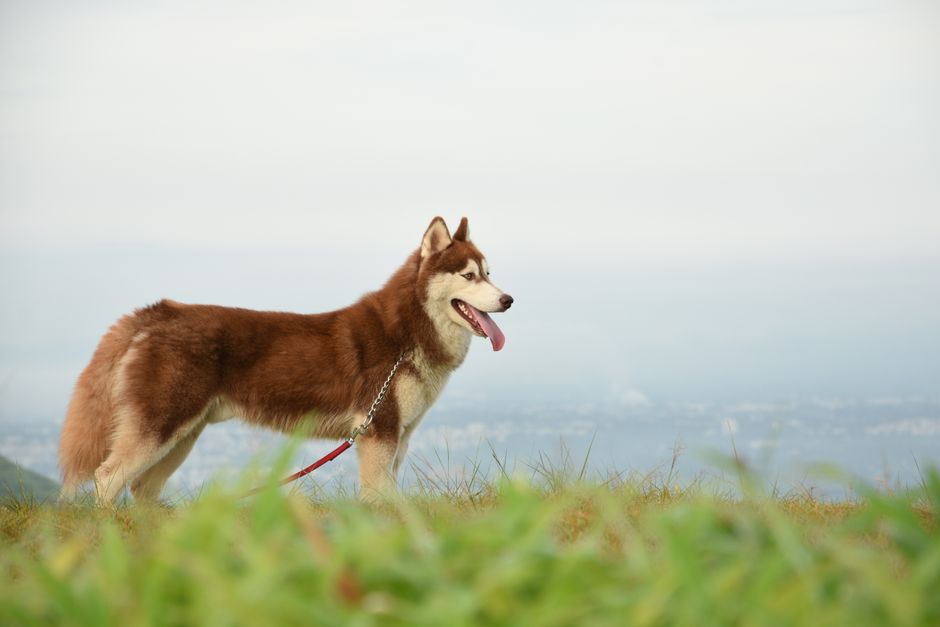
Siberian Huskies were bred to work in packs, pulling sleds across harsh Arctic terrains. This heritage gives them a strong independent streak and a natural inclination to question authority. Unlike more biddable breeds, huskies often need a firm, consistent, and positive training approach. Obedience classes provide:
- Structured Learning: A professional trainer guides you and your husky through foundational skills in a distraction-free environment.
- Socialization: Husky obedience classes allow your dog to interact with other dogs and people, reducing fear and aggression.
- Behavior Correction: Common issues like jumping, pulling on leash, and excessive barking are addressed early.
- Mental Stimulation: Huskies are intelligent and need mental challenges; obedience exercises provide that.
- Safety: A well-trained husky is less likely to run off or get into dangerous situations.
When to Start Obedience Training
The ideal age to start husky obedience classes is between 8 and 16 weeks, as puppies are most receptive to learning. However, dogs of any age can benefit from training. For adult huskies, it's never too late to reinforce good habits or correct undesirable behaviors. Most obedience schools offer classes for different age groups: puppy kindergarten, basic obedience, and advanced training. If you adopt an older husky, consider a private session first to assess their temperament.
What to Look for in a Husky Obedience Class
Not all obedience classes are created equal. Here are key factors to consider when choosing a class for your husky:
- Trainer Experience: Look for a trainer certified by organizations like the Association of Professional Dog Trainers (APDT) or the International Association of Canine Professionals (IACP). Experience with Northern breeds is a plus.
- Training Methods: Positive reinforcement (treats, praise, toys) is important for huskies. Avoid trainers who use harsh corrections or punishment, as this can damage trust.
- Class Size: Small classes (4-8 dogs) ensure individual attention. Large classes may be overwhelming for a sensitive husky.
- Facilities: The training area should be clean, safe, and secure, with proper fencing to prevent escapes.
- Curriculum: The class should cover basic commands (sit, stay, come, heel) and address common husky behaviors like pulling and howling.
- Flexibility: Some huskies are shy or reactive; classes that allow for adjustments are ideal.
Basic Commands Every Husky Should Learn
In a husky obedience class, your dog will learn essential cues that form the foundation of good behavior. Here's a typical list:
| Command | Purpose | Training Tip |
|---|---|---|
| Sit | Calmness and impulse control | Use high-value treats and lure the nose upward. |
| Stay | Prevents bolting and promotes patience | Start with short durations and gradually increase. |
| Come (Recall) | Safety – crucial for escape-prone huskies | Always reward enthusiastically; never punish when they come. |
| Heel (Loose-Leash Walking) | Reduces pulling and makes walks enjoyable | Stop when they pull; reward when they check in with you. |
| Down | Encourages calm behavior | Lure with treat to floor; avoid forcing. |
| Leave It | Prevents picking up unwanted items | Trade for a better treat to teach self-control. |
Common Challenges in Husky Obedience Classes
Huskies are known for their intelligence, but that can backfire in training. Here are typical challenges and how to overcome them:
- Stubbornness: A husky may decide that a treat isn't worth the effort. Mix up rewards (toy, praise, cheese) to keep them engaged.
- Short Attention Span: Keep training sessions short (5-10 minutes) and end on a positive note. In class, be prepared to take breaks.
- Boredom: Huskies lose interest quickly. Use games and variation to make training fun.
- Reactivity to Other Dogs: Some huskies are overly social or fearful. A good instructor will help manage this with distance and desensitization.
- Escaping: Huskies are escape artists. Ensure the class facility is secure and never rely on recall near open gates.
Tips for Success in Obedience Training
To get the most out of your husky obedience classes, follow these expert tips:
- Be Consistent: Use the same cues and rules at home as in class. Consistency is key for huskies.
- Use High-Value Rewards: Find what your husky loves most – cheese, chicken, or a squeaky toy – and reserve it for training.
- Stay Positive: Huskies respond poorly to punishment. Reward good behavior and ignore mistakes.
- Practice Daily: Short, frequent sessions are better than long, infrequent ones. Aim for 5-10 minutes twice a day.
- Manage Environment: Start training in a quiet space, then gradually add distractions.
- Socialize Wisely: Allow controlled interactions with calm, friendly dogs to build confidence.
At-Home Practice Between Classes
The real progress happens between classes. Here's how to reinforce what you learn:
- Create a Routine: Practice commands before meals or walks when your husky is motivated.
- Use Real-Life Opportunities: Ask for a 'sit' before opening the door, or a 'stay' before setting down the food bowl.
- Work on Problem Behaviors: If your husky pulls, practice heeling in low-distraction areas.
- Incorporate Play: Turn 'sit' into a game – run a few steps, then ask for a sit. This keeps training fun.
- Keep a Log: Note what works and what doesn't to share with your trainer.
Frequently Asked Questions About Husky Obedience Classes
Q: How long does it take to train a husky in obedience?
A: Basic obedience can be achieved in 6-10 weeks of consistent practice, but huskies may need ongoing reinforcement.
Q: Are group classes or private lessons better?
A: Group classes offer socialization, while private lessons are best for specific issues like reactivity or aggression.
Q: Can I train my husky alone without classes?
A: Yes, but classes provide structure, expert guidance, and controlled distractions that can accelerate learning.
Q: My husky is 2 years old – is it too late?
A: Absolutely not. Adult huskies can learn new behaviors, though you may need to unlearn some habits first.
Husky obedience classes are an investment in your dog's happiness and your peace of mind. With patience, positive reinforcement, and the right class, you'll reach your husky's potential and build a deeper bond. Remember, every husky is unique – celebrate small victories and stay consistent. Enroll in a class today and take the first step toward a well-mannered, joyful companion.