Understanding the Siberian Husky’s Natural Endurance
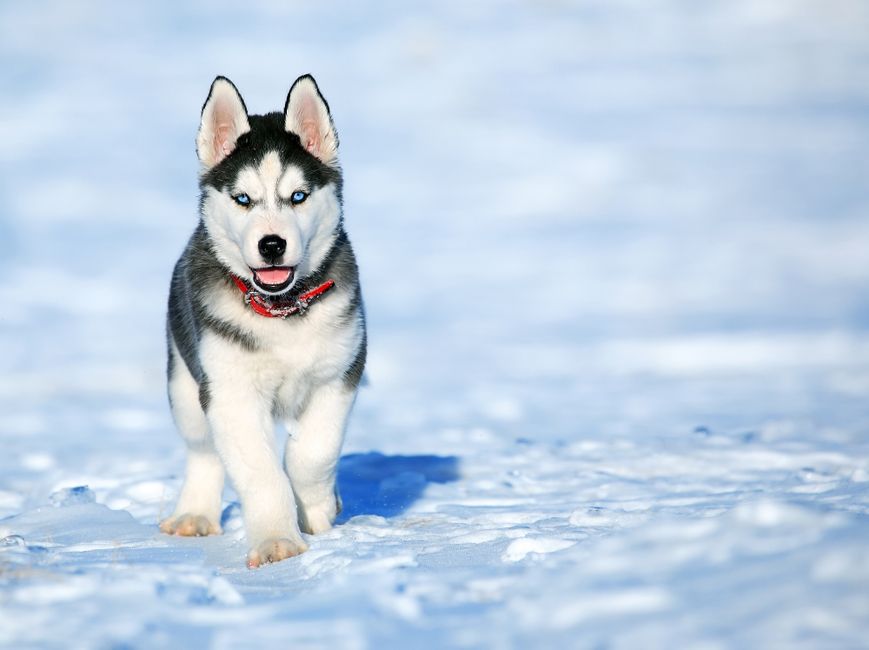
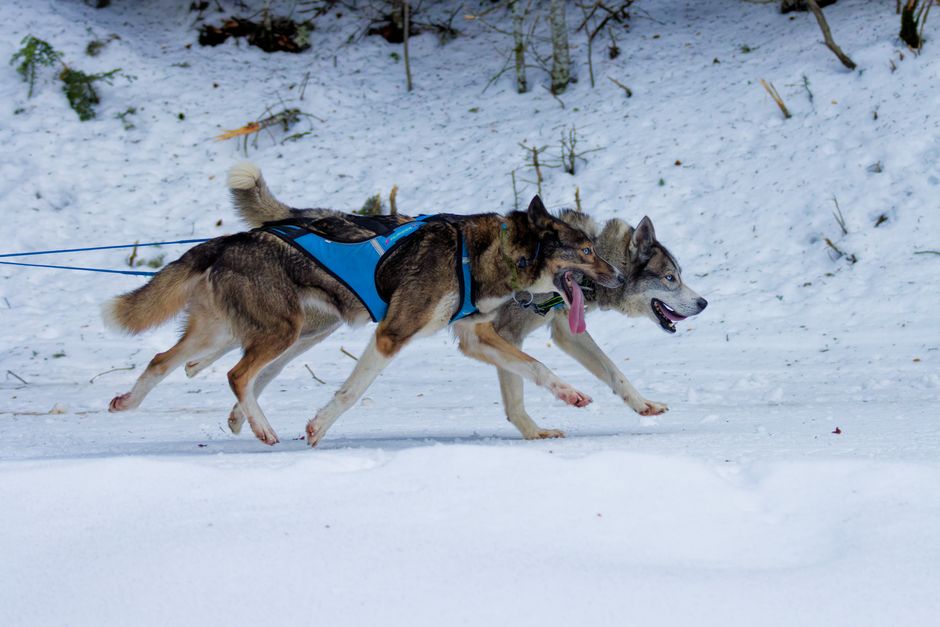
The Siberian Husky is a breed built for endurance. Historically, these dogs were developed by the Chukchi people of Siberia to pull sleds over vast distances in harsh conditions. Their bodies are finely tuned machines: efficient metabolism, strong cardiovascular system, and a thick double coat that regulates temperature. But even natural athletes need proper training to reach peak endurance safely.
Preparing for Endurance Training: Vet Check and Gear
Before any training program, schedule a veterinary examination. Endurance activities increase stress on joints, heart, and lungs. Your vet can confirm your husky is healthy enough for strenuous exercise, especially if they are older or have pre-existing conditions.
Essential Gear for Endurance Training
- Harness: A well-fitted, padded harness distributes pull evenly. Avoid collars during long runs as they can damage the trachea.
- Leash: A hands-free waist belt or bungee leash allows you to run comfortably while keeping your husky close.
- Booties: Protect your dog’s paws from hot pavement, ice, or rough terrain. Start with short sessions to allow adjustment.
- Water and hydration pack: Bring portable water and a collapsible bowl for frequent hydration breaks.
Building a Foundation: Basic Fitness and Conditioning
Endurance is not built overnight. Start with a solid fitness base: daily walks and light jogs. A husky should be able to walk 30 minutes without fatigue. Then gradually mix in short, slow runs (10-15 minutes) at least three times per week. Monitor your dog’s enthusiasm and breathing—they should trot easily, not pant heavily.
Incorporate strength training: running up gentle hills, playing fetch on soft surfaces, or swimming in warm weather. This builds muscles used in longer distances without excessive joint impact.
Progressive Training Plan for Husky Endurance
Follow the 10% rule: increase weekly distance or time by no more than 10%. For example, if your husky runs 5 miles total in a week, add only half a mile the next week. Here’s a sample 8-week plan for a healthy adult husky (always adjust based on your dog’s response).
| Week | Frequency | Distance per Session | Notes |
|---|---|---|---|
| 1-2 | 3 days/week | 1-2 miles | Slow pace, focus on warm-up/cool-down |
| 3-4 | 3 days/week | 2-3 miles | Introduce short hills |
| 5-6 | 4 days/week | 3-4 miles | One longer run on weekend |
| 7-8 | 4 days/week | 4-5 miles | Maintain; consider trail runs |
Always warm up with 5 minutes of walking and cool down with gentle stretching. If your dog shows signs of stiffness, reduce intensity or take an extra rest day.
Nutrition and Hydration for Endurance
Endurance training increases caloric needs. Feed a high-quality, balanced diet with adequate protein and fat—fat is a husky’s primary fuel for long efforts. Consider adding a high-fat, high-protein topper or a small pre-run meal 1-2 hours before exercise. Avoid feeding immediately before a run to prevent bloat.
Hydration is critical. Offer water every 20-30 minutes during activity. For runs longer than an hour, add electrolytes formulated for dogs (plain water can cause hyponatremia if overconsumed). After exercise, provide water and a small meal within 30 minutes to aid recovery.
Common Mistakes and How to Avoid Them
- Overtraining: Pushing too hard too soon leads to injuries. Watch for limping, reluctance to run, or excessive panting.
- Ignoring weather: Huskies overheat easily due to their thick coat. Run in early morning or evening during warm months, and never in temperatures above 70°F (21°C).
- Dehydration: Always bring water, even for short runs. Check gum color and skin elasticity.
- Neglecting paw care: Check paws after each run for cuts, blisters, or foreign objects. Use paw wax as a preventive measure.
- Skipping rest days: Huskies need 1-2 rest days per week to repair muscles and prevent burnout.
Safety Signs: When to Stop or Adjust
Learn your husky’s limits. Signs of fatigue: excessive drooling, head low, tail down, or uncoordinated gait. Heatstroke signs: heavy panting, bright red gums, vomiting, or collapse. If any appear, stop immediately, cool your dog with water, and seek veterinary help. Also, watch for behavioral changes—if your normally eager husky hesitates to run, listen.
Conclusion
Endurance training for your Siberian Husky can be a rewarding journey that strengthens your bond and keeps your dog physically and mentally healthy. By respecting their natural abilities, building gradually, and prioritizing safety, you’ll create a fitness routine that lasts a lifetime. Start slowly, stay consistent, and enjoy the trails together.