Why Reward-Based Training Works for Huskies
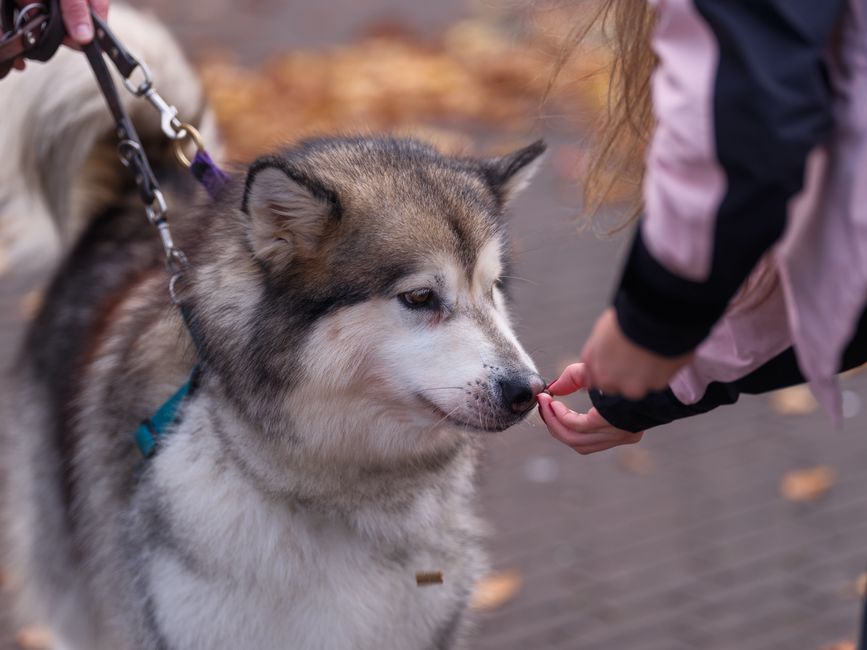
Siberian Huskies are intelligent, independent, and often stubborn. Traditional punishment-based methods can cause fear, anxiety, and even aggression. Reward-based training, or positive reinforcement, leverages your Husky's natural desire for treats, play, and praise. This approach builds trust, strengthens your bond, and encourages voluntary cooperation. Huskies respond exceptionally well to rewards because they were bred to work alongside humans, not for them. By making training a positive experience, you tap into their eager-to-please side.
Getting Started with Positive Reinforcement
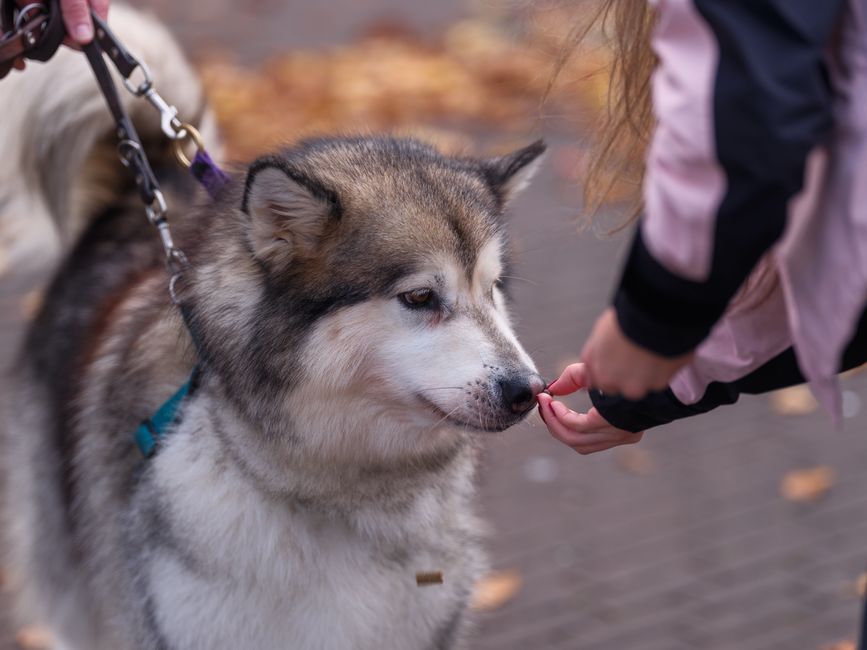
Before you begin, gather high-value rewards (small soft treats, a favorite toy, or praise). Find a quiet environment free from distractions. Keep sessions short—5 to 10 minutes—to match your Husky's attention span. Always end on a positive note. Use a marker word like “Yes!” or a clicker to immediately indicate the correct behavior. Consistency is key: use the same cues and reward criteria every time.
Essential Rewards: What Motivates Your Husky?
Not all rewards are equal. Discover what your Husky values most:
| Reward Type | Examples | Best For |
|---|---|---|
| Food | Boiled chicken, cheese, freeze-dried liver | High-value training, new behaviors |
| Toys | Tug ropes, squeaky balls, flirt pole | Play-driven Huskies, reinforcing enthusiasm |
| Praise | Happy voice, ear scratches, “Good boy!” | Low-key reinforcement, maintaining calm |
| Life Rewards | Going outside, sniffing, car rides | Real-world motivation, generalizing behavior |
Experiment to find your Husky's top tier reward. Use the highest value for challenging tasks and lower value for easier ones.
Step-by-Step Training Commands Using Rewards
Sit
Hold a treat near your Husky's nose, then slowly lift it above their head. As their head follows, their bottom will naturally lower. Say “Sit” the moment they’re in position, mark and reward. Repeat until they sit on verbal cue alone.
Stay
Ask for a sit, then hold out your palm and say “Stay.” Take one step back and immediately return. If they stay, reward. Gradually increase distance and duration. If they break, calmly return and start again with a shorter time.
Come
Use a long leash in a safe area. Crouch down, open your arms, and say “Come!” in a happy tone. When they approach, reward with a treat and praise. Never call them for something unpleasant (like a bath). Practice recall in different settings to generalize.
Loose Leash Walking
Start indoors with no distractions. Hold a treat at your side, step forward, and say “Let’s go.” When your Husky walks beside you without pulling, mark and treat. If they pull, stop and wait. Only move forward when the leash is loose. Gradually add outdoor distractions.
Troubleshooting Common Challenges
Not interested in treats? Try a higher value reward or train before meals when they’re hungry. Huskies can be picky; rotate rewards to keep novelty.
Too distracted? Train in a low-distraction area first. Use a long line to prevent bolting. Reward focus on you.
Gets bored? Keep sessions short and fun. Incorporate games like hide-and-seek or toy rewards. Change location.
Stubbornness? Break the behavior into smaller steps (shaping). Reward approximations, then raise criteria slowly.
Advanced Reward-Based Techniques
Once basic commands are solid, advance to real-world scenarios. Use a variable reward schedule—sometimes treat, sometimes praise—to maintain enthusiasm. Teach a solid “Leave It” by rewarding your Husky for ignoring an item on the ground. Practice impulse control games like “It’s Yer Choice” where they must wait for permission to take a treat. For off-leash reliability, pair recalls with an emergency whistle and high-value rewards.
Conclusion
Reward-based training transforms your Husky from a willful escape artist into a willing partner. By focusing on what motivates them—treats, toys, praise, or life rewards—you build trust and respect. Remember: patience and consistency are your best tools. Every session is an opportunity to strengthen your bond. Start today and enjoy a happier, better-behaved Husky.