Winter is a magical time for Siberian Huskies. Bred to thrive in freezing temperatures, these energetic dogs often become more lively and eager to play when the snow falls. However, winter exercise training requires careful planning to ensure your Husky stays safe, healthy, and mentally stimulated. This comprehensive guide covers everything you need to know about exercising your Husky during the colder months, from understanding their cold tolerance to designing a safe and effective winter workout routine.
Why Winter Exercise is Crucial for Huskies
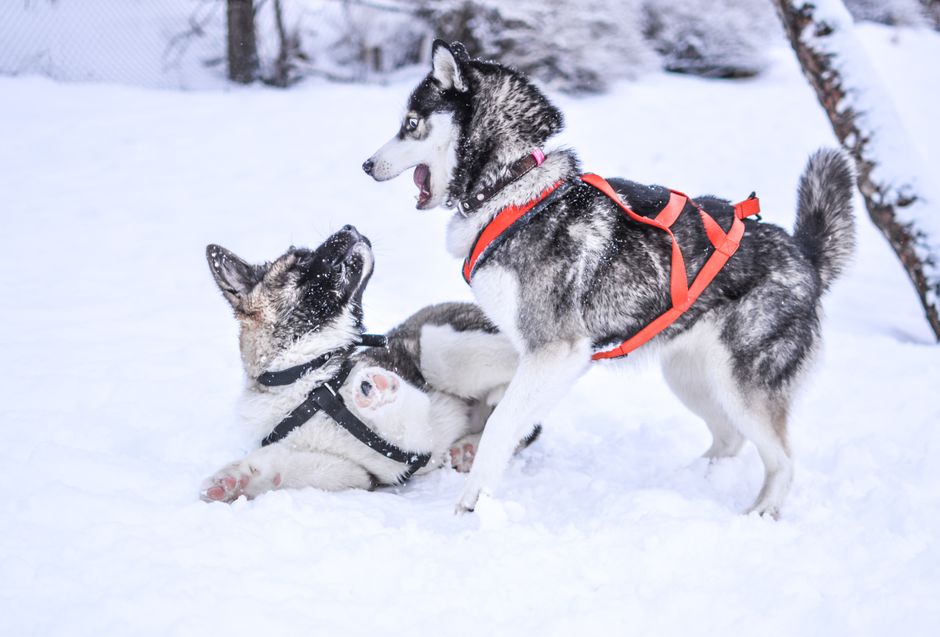
Huskies are working dogs with high energy levels and a strong instinct to run. In winter, their thick double coat provides excellent insulation, but without proper exercise, they can become bored, destructive, or develop behavioral issues. Regular winter exercise helps:
- Maintain muscle tone and joint health
- Prevent obesity, which is common in huskies during less active seasons
- Provide mental stimulation through new scents and environments
- Strengthen your bond with your dog through shared activities
- Release pent-up energy, reducing undesirable behaviors at home
Additionally, winter exercise can be a wonderful opportunity for huskies to engage in their natural sled-pulling instincts, making activities like skijoring or pulling a pulk incredibly fulfilling.
How Cold is Too Cold? Understanding Your Husky's Limits
While huskies are built for cold weather, they still have limits. Factors like wind chill, wetness, and individual health affect tolerance. Generally:
- Above 32°F (0°C): Safe for most huskies for normal exercise, but monitor for signs of overheating (yes, they can overheat even in cold if overworked).
- 20°F to 32°F (-6°C to 0°C): Ideal for huskies. They enjoy the coolness and are at low risk of hypothermia.
- 0°F to 20°F (-18°C to -6°C): Exercise can continue but limit duration and watch for discomfort. Consider booties for paw protection.
- Below 0°F (-18°C): Exercise should be brief, and your husky should be closely monitored. Very young, old, or sick dogs should stay indoors.
Always check for wind chill, which can make temperatures feel much colder. Wet snow can also cause quicker heat loss. Know your individual husky's signs of cold stress: shivering, lifting paws, whining, or seeking shelter.
Best Winter Exercise Activities for Huskies
Snow Running and Hiking
Huskies love to run in snow. Use a well-fitted harness and a long line (16-30 feet) for off-leash play in safe areas. Hiking on snowy trails provides excellent aerobic exercise and mental enrichment. Let your husky stop and investigate smells. For safety, avoid icy patches that could cause injury.
Skijoring and Pulk Work
These activities harness your husky's natural pulling drive. Skijoring involves the dog pulling you on cross-country skis. A pulk (small sled) can carry gear or even a child. Start with basic commands like 'hike', 'whoa', and 'gee/haw' (right/left). Ensure your husky is at least 18 months old for heavy pulling to protect joint development.
Snowball Fetch and Scent Games
Throw snowballs for your husky to catch and bury their face in the snow. Hide treats under snow piles or in safe containers for nose work. These games provide low-impact exercise and mental stimulation.
Dog Park Playdates
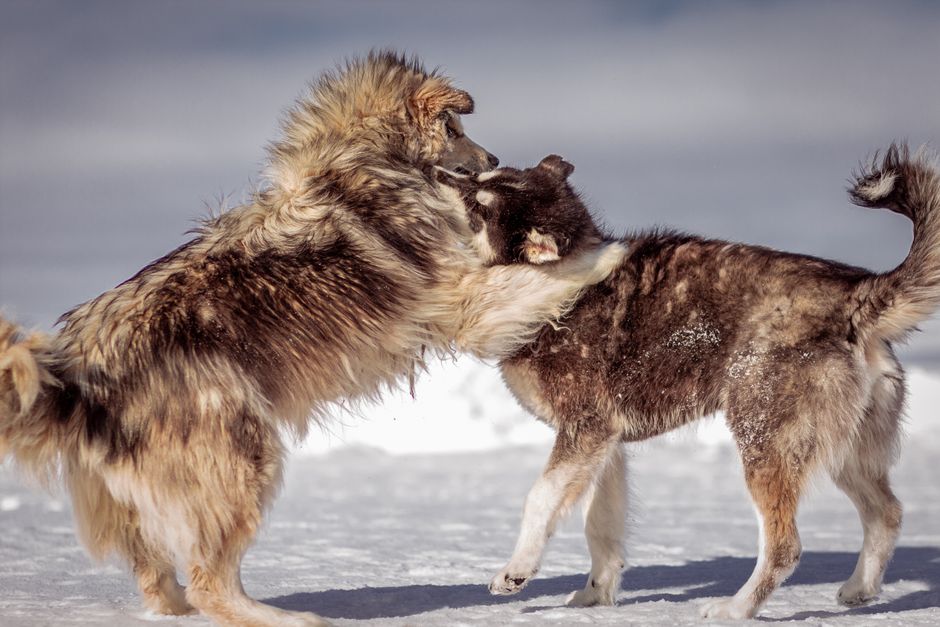
If your dog park is open in winter, huskies often love romping with other dogs in the snow. Monitor for overexcitement and ensure all dogs are up-to-date on vaccinations. Winter sun can be strong; provide shade if needed.
Essential Gear for Winter Exercise
| Gear | Purpose | Recommendation |
|---|---|---|
| Harness | Comfortable pulling and control | Back-clip or pulling harness with padded chest plate |
| Booties | Protect paws from ice, salt, and cold | Musher's Secret wax or fleece booties with Velcro straps |
| Reflective gear | Visibility in low light | Reflective vest or collar strap |
| Long line | Safe off-leash freedom | 20-30ft biothane line |
| Coat (optional) | Extra warmth for very short-coated huskies | Only if your husky seems cold (rare for purebreds) |
| Water and bowl | Hydration even in cold | Insulated bottle, collapsible bowl, warm water |
Safety Tips for Exercising Your Husky in Winter
- Warm up indoors with gentle play or a short walk before intense activity.
- Check paws after each outing for ice balls, cuts, or chemical burns from deicers.
- Avoid frozen water bodies – thin ice can be deadly.
- Keep your husky on a leash in unfamiliar areas; snow can mask hazards.
- Provide fresh, cool water at regular intervals; dehydration is still a risk.
- Dry your husky thoroughly after exercise to prevent skin infections.
- Never leave your husky in a cold car unattended.
Signs Your Husky is Overexerted or Too Cold
Watch for these warning signs and stop exercise immediately if they appear:
- Excessive panting or difficulty breathing
- Shivering or trembling
- Lifting paws or refusing to walk
- Whining, anxiety, or seeking to return home
- Disorientation or stumbling
- Pale or blue gums
- Drowsiness or lethargy
If you suspect hypothermia (low body temperature), wrap your husky in warm blankets, offer warm (not hot) fluids, and contact your vet immediately.
Sample Winter Exercise Routine for Huskies
Here's a sample weekly schedule for a healthy adult husky (adjust based on your dog's fitness and weather conditions):
| Day | Activity | Duration | Notes |
|---|---|---|---|
| Monday | Morning walk + afternoon skijoring | 30 min + 20 min | Warm up before skijoring |
| Tuesday | Off-leash hike in snowy trails | 45-60 min | Use long line in open areas |
| Wednesday | Rest or light indoor play | 15 min | Mental stimulation games |
| Thursday | Pulk pulling with weight (if trained) | 30 min | Monitor for fatigue |
| Friday | Dog park playdate | 45 min | Supervise interactions |
| Saturday | Long snow run (e.g., 5km) | 60-90 min | Bring water and booties |
| Sunday | Light walk + scent games | 30 min | Recovery day |
Always end the session before your husky is exhausted. Gradually increase intensity over weeks.
Nutrition and Hydration Considerations
Cold weather increases calorie burn. Your husky may need 10-20% more food during heavy winter exercise. However, avoid overfeeding if activity levels drop. High-quality protein and fats are essential. Ensure constant access to unfrozen water – check bowls frequently. After exercise, offer a warm, high-protein meal to help recovery. Some owners add a spoonful of coconut oil or canned salmon for extra energy.
Conclusion
Winter exercise training for your Siberian Husky can be a joyful experience for both of you. By understanding their cold tolerance, choosing appropriate activities, using proper gear, and monitoring for signs of distress, you can keep your husky fit, happy, and safe all season long. Embrace the snow – your husky will thank you with tail wags and endless energy. For more tips on husky care, training, and health, explore our other guides.