Introduction to Agility Training for Siberian Huskies
Agility training is an excellent way to channel the boundless energy and intelligence of Siberian Huskies. These dogs were bred for endurance and teamwork, making them natural candidates for obstacle courses. Agility not only provides physical exercise but also strengthens the bond between you and your Husky. This guide covers everything you need to know to start agility training with your Husky, from foundational skills to advanced techniques.
Why Agility Training Benefits Your Husky
Siberian Huskies are high-energy working dogs that thrive on activity. Agility training offers mental stimulation, physical fitness, and a fun outlet for their innate drive. Regular agility work can reduce destructive behaviors, improve obedience, and keep your Husky healthy. Moreover, it satisfies their desire to work as a team with their owner. Agility also helps Huskies develop better body awareness and coordination.
Preparing for Agility Training
Health and Fitness Check
Before starting any agility training, ensure your Husky is in good health. Visit your veterinarian for a check-up, especially to assess joints and hips, as Huskies can be prone to hip dysplasia. Puppies should have fully developed growth plates (usually after 12-18 months) before engaging in high-impact agility. For older dogs, start with low-impact exercises.
Essential Equipment
You don't need a full agility set at home initially. Start with basic items:
- Jumps: Low bars (start at 8-12 inches) that can be knocked over safely.
- Tunnel: A collapsible tunnel or a children's play tunnel.
- Weave poles: DIY with PVC pipes or buy adjustable poles.
- Pause table: A sturdy low table or platform.
- Treats and toys: High-value rewards for motivation.
Building a Foundation: Obedience and Focus
Before introducing obstacles, ensure your Husky has basic obedience skills: sit, stay, down, come, and heel. A reliable recall is crucial for safety. Practice focus exercises, such as watching you for commands. Huskies can be independent, so make training fun and rewarding.
Getting Started: Basic Agility Obstacles
1. Introduction to Jumps
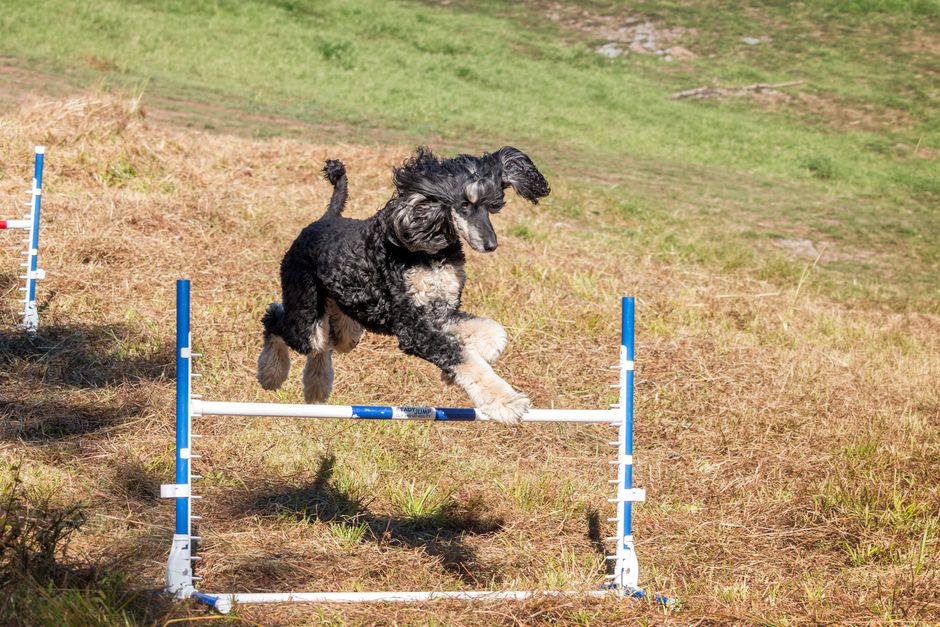
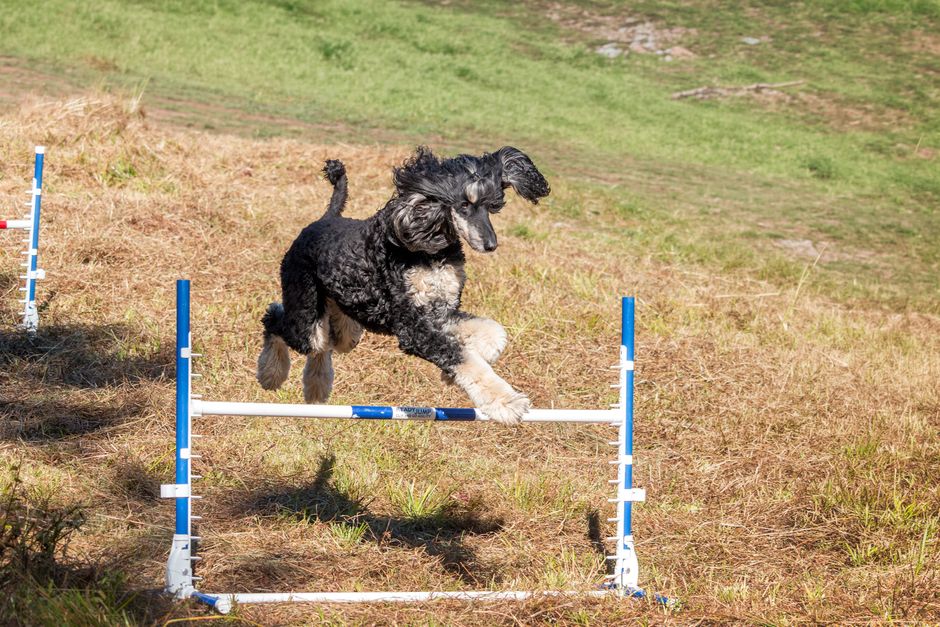
Start with a single low jump. Lead your Husky over it with a treat, using a command like "hop" or "over." Gradually increase height and add distance between jumps. Always use jump bars that collapse to prevent injury. Practice both forward and angled approaches.
2. The Tunnel
Begin with a short, straight tunnel. Encourage your Husky to enter by throwing a treat inside or having a helper call from the other end. Use the command "tunnel." Gradually increase the length and add slight curves. Reward enthusiastically when they exit.
3. Weave Poles
Weaving is challenging for many Huskies. Start with offset poles (spaced wide) and lure your Husky through with a treat, using the command "weave." Progress to straight lines and tighter spacing. Be patient; this requires many repetitions.
4. Pause Table
Teach your Husky to jump onto a low platform and hold a sit or down for 2-5 seconds. Use the command "table." This builds impulse control. Gradually increase duration and add distractions.
Structuring a Training Session
Keep sessions short (10-15 minutes for beginners) to maintain focus. Follow this sample structure:
| Duration | Activity |
|---|---|
| 2 min | Warm-up: Walking, light fetching |
| 5 min | Review 1-2 known obstacles with high rewards |
| 5 min | Introduce a new skill or sequence two obstacles |
| 2 min | Cool down with easy walking and praise |
Always end on a positive note. Use variable reinforcement to keep motivation high. Huskies can become bored easily, so incorporate play breaks.
Advanced Agility Techniques
Sequencing and Course Navigation
Once your Husky is confident with individual obstacles, start linking 2-3 in a row. Use direction changes and different angles. Teach verbal cues for left/right turns. Practice running alongside your dog to build teamwork. Gradually increase the course length and complexity.
Competition Training
If you plan to compete in AKC, UKC, or other agility trials, expose your Husky to different surfaces, equipment types, and noise. Practice staying on the course despite distractions. Huskies have a high prey drive, so reinforce heeling and focus even when interesting scents or small animals are present.
Common Challenges with Huskies in Agility
Distractibility and Independence
Huskies are known for their independent nature. Combat this by using extremely high-value rewards (e.g., cheese, hot dogs) and varying rewards. Keep training sessions unpredictable and fun. Use a consistent marker word (e.g., "yes") to mark desired behaviors.
Preference for Running over Technical Skills
Many Huskies love to run at full speed, which can make them careless on technical obstacles like weave poles. Slow down the approach and use targeting exercises. Practice weave poles with a slowed pace before adding speed.
Heat Sensitivity
Huskies have a double coat and can overheat easily. Avoid training in hot weather; opt for early morning or evening. Provide plenty of water and rest breaks. Watch for signs of overheating like excessive panting or drooling.
Safety Tips for Agility Training
- Always warm up and cool down to prevent injuries.
- Use non-slip surfaces; grass or rubber mats are ideal.
- Keep jumps low until your Husky is physically mature.
- Check equipment for stability and sharp edges.
- Never force your dog over an obstacle; build confidence gradually.
Conclusion
Agility training is a rewarding activity that taps into the Siberian Husky's natural abilities. With patience, positive reinforcement, and consistent practice, you can develop a skilled and happy agility partner. Remember to focus on fun and safety above all. Start today and watch your Husky thrive on the agility course!