Bringing home a Siberian Husky puppy is an exciting adventure, but it also comes with the responsibility of proper training. Husky puppies are intelligent, energetic, and independent—traits that make training both challenging and rewarding. A well-structured training schedule sets the foundation for a well-behaved adult dog. In this guide, we’ll walk you through a comprehensive husky puppy training schedule, covering everything from potty training to obedience and socialization.
Understanding Your Husky Puppy
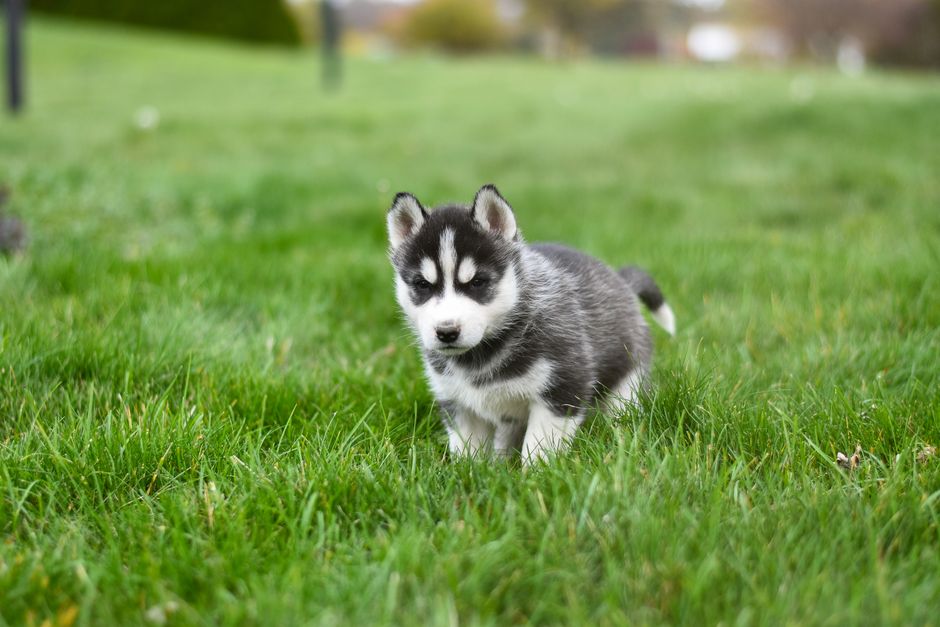
Before diving into a schedule, it’s crucial to understand the unique characteristics of the Siberian Husky. Bred as working dogs, Huskies are highly intelligent, pack-oriented, and have a strong prey drive. They can be stubborn and independent, which means consistency and positive reinforcement are key. They thrive on routine and need plenty of physical and mental stimulation to prevent destructive behaviors.
Setting Up a Routine
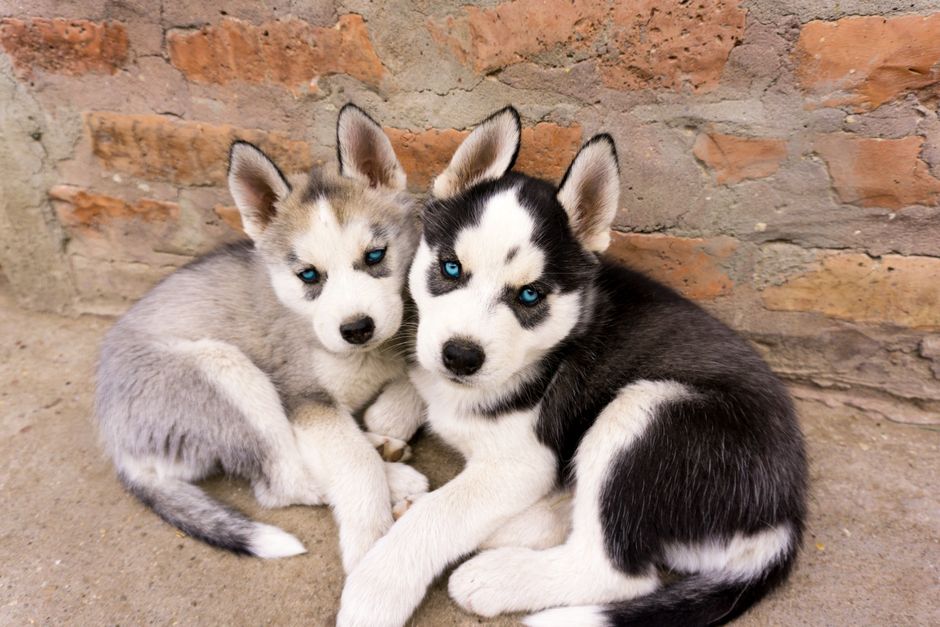
Husky puppies do best with a predictable daily routine. A consistent schedule helps them feel secure and accelerates learning. Your routine should include regular times for feeding, potty breaks, training sessions, play, exercise, and sleep. Start by establishing a basic framework and adjust as your puppy grows.
Sample Daily Schedule for a 8-12 Week Old Husky Puppy
| Time | Activity |
|---|---|
| 7:00 AM | Wake up, take outside for potty |
| 7:15 AM | Breakfast (portion measured) |
| 7:30 AM | Potty break again |
| 7:45 AM | Short training session (5-10 min) |
| 8:00 AM | Playtime and socialization |
| 9:00 AM | Crate time (nap) |
| 12:00 PM | Potty break, lunch, playtime |
| 1:00 PM | Crate time (nap) |
| 4:00 PM | Potty break, training, walk (short) |
| 5:00 PM | Dinner |
| 5:30 PM | Potty, play, mental enrichment |
| 7:00 PM | Calm time, bonding |
| 8:00 PM | Last potty break |
| 9:00 PM | Crate for bedtime |
Adjust the times to fit your lifestyle, but maintain consistency. As your puppy gets older, you can extend the intervals between potty breaks and increase exercise duration.
Basic Obedience Training
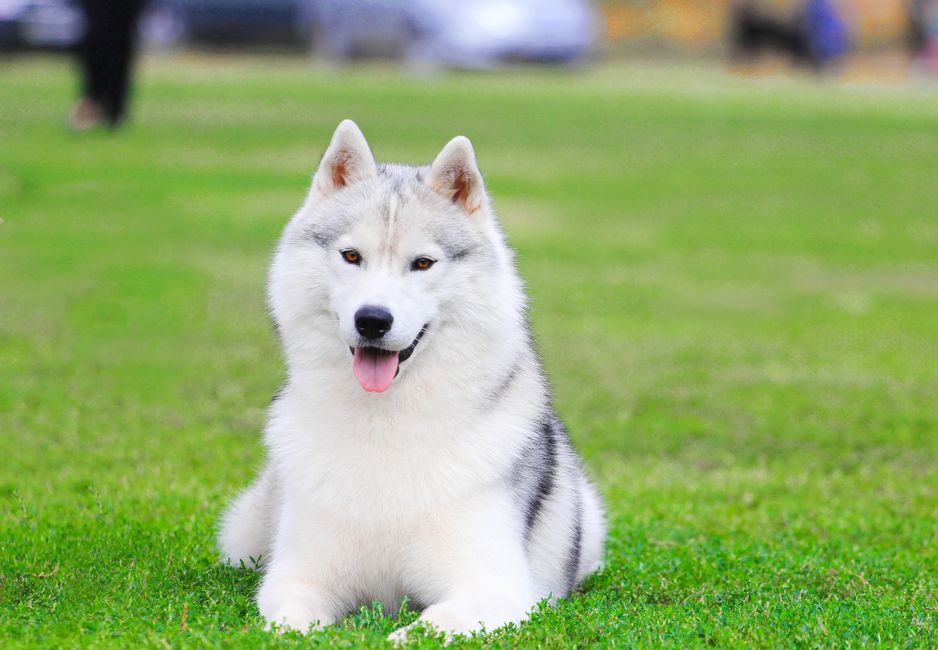
Start with basic commands like “sit,” “stay,” “come,” and “down.” Huskies respond best to positive reinforcement—use treats, praise, and play as rewards. Keep training sessions short (5-10 minutes) to match their attention span. Practice in a low-distraction area and gradually add distractions.
Essential Commands to Teach
- Sit: Hold a treat above their nose and move it back over their head; they’ll naturally sit. Mark and reward.
- Stay: Ask for a sit, then say “stay” and take a step back. Return quickly and reward. Gradually increase distance and duration.
- Come: Use a happy tone and reward generously when they come to you. Practice on a long leash in safe areas.
- Down: Lure with a treat from sit to the ground. Reward once their elbows touch the floor.
Huskies can be stubborn, so never punish them for non-compliance. Instead, see what motivates them—treats, toys, or play—and use it to your advantage.
Potty Training Schedule
Potty training a Husky puppy requires consistency, patience, and frequent bathroom breaks. Puppies have small bladders and need to go out every 1-2 hours. Watch for signs like sniffing, circling, or whining.
Potty Training Tips
- Take your puppy out first thing in the morning, after meals, after naps, and before bedtime.
- Always go to the same spot to create a cue.
- Use a command like “go potty” and praise/reward immediately after they eliminate.
- If they have an accident indoors, clean thoroughly with an enzymatic cleaner. Never punish—just clean up and adjust your schedule.
- Consider crate training to speed up the process; dogs naturally avoid soiling their den.
Crate Training
Crate training provides your Husky with a safe den and aids in potty training, prevents destructive behavior when unsupervised, and helps with travel. Introduce the crate gradually with treats and toys. Never use it as punishment.
Crate Training Steps
- Place the crate in a family area with a soft bed.
- Leave the door open and toss treats inside; let your puppy explore.
- Feed meals in the crate with the door closed for short periods.
- Gradually increase crate time, always taking them out for potty before and after.
- At night, keep the crate in your bedroom so they feel safe.
Socialization
Socialization is critical for Huskies to prevent fearfulness and aggression. Expose your puppy to several people, animals, environments, and sounds in a positive way. The critical socialization window is up to 16 weeks of age.
Socialization Checklist
- Introduce to different people: men, women, children, people in hats or uniforms.
- Meet other friendly, vaccinated dogs and cats.
- Visit busy streets, parks, vet clinics, and pet stores.
- Expose to noises like vacuum cleaners, traffic, and thunderstorms (start low volume).
- Use treats and praise to create positive associations.
Always watch your puppy’s body language and go at their pace. Forcing interaction can backfire.
Exercise and Mental Stimulation
Huskies are high-energy working dogs. A tired puppy is a good puppy. Provide both physical exercise and mental challenges to prevent boredom.
Exercise Needs by Age
- 8-12 weeks: Short play sessions, gentle walks (5-10 minutes), supervised free play. No forced running.
- 4-6 months: 20-30 minute walks twice a day, plus play and training.
- 6 months+: 30-60 minutes of vigorous exercise daily, such as running, hiking, or fetch. Mental puzzles and obedience work also help.
Mental stimulation ideas: puzzle toys, nose work games, hide-and-seek, and agility training. Rotate toys and activities to keep them engaged.
Common Challenges and Solutions
Huskies are known for their stubbornness, vocalizations, and escape artistry. Here’s how to handle common issues:
Stubbornness
Be patient and find what motivates your Husky. Mix up rewards and keep training fun. If they disengage, end on a positive note and try later.
Excessive Howling or Barking
Huskies are vocal. Provide plenty of exercise and mental stimulation. Teach a “quiet” command. Never yell, as it can amplify the behavior.
Chewing and Destructive Behavior
Provide appropriate chew toys and rotate them. Puppy-proof your home. If caught chewing something wrong, redirect to a toy. Increase exercise to burn off energy.
Escaping
Huskies are notorious escape artists. Ensure your yard is secure with high fences and no gaps. Supervise outdoor time and consider a leash or long line for walks.
Conclusion
A structured husky puppy training schedule sets you and your pup up for success. Remember to be consistent, use positive reinforcement, and adjust as your puppy grows. Socialization, proper exercise, and a daily routine are the pillars of raising a happy, well-behaved Husky. With time and patience, your stubborn but loyal companion will become a wonderful family member.